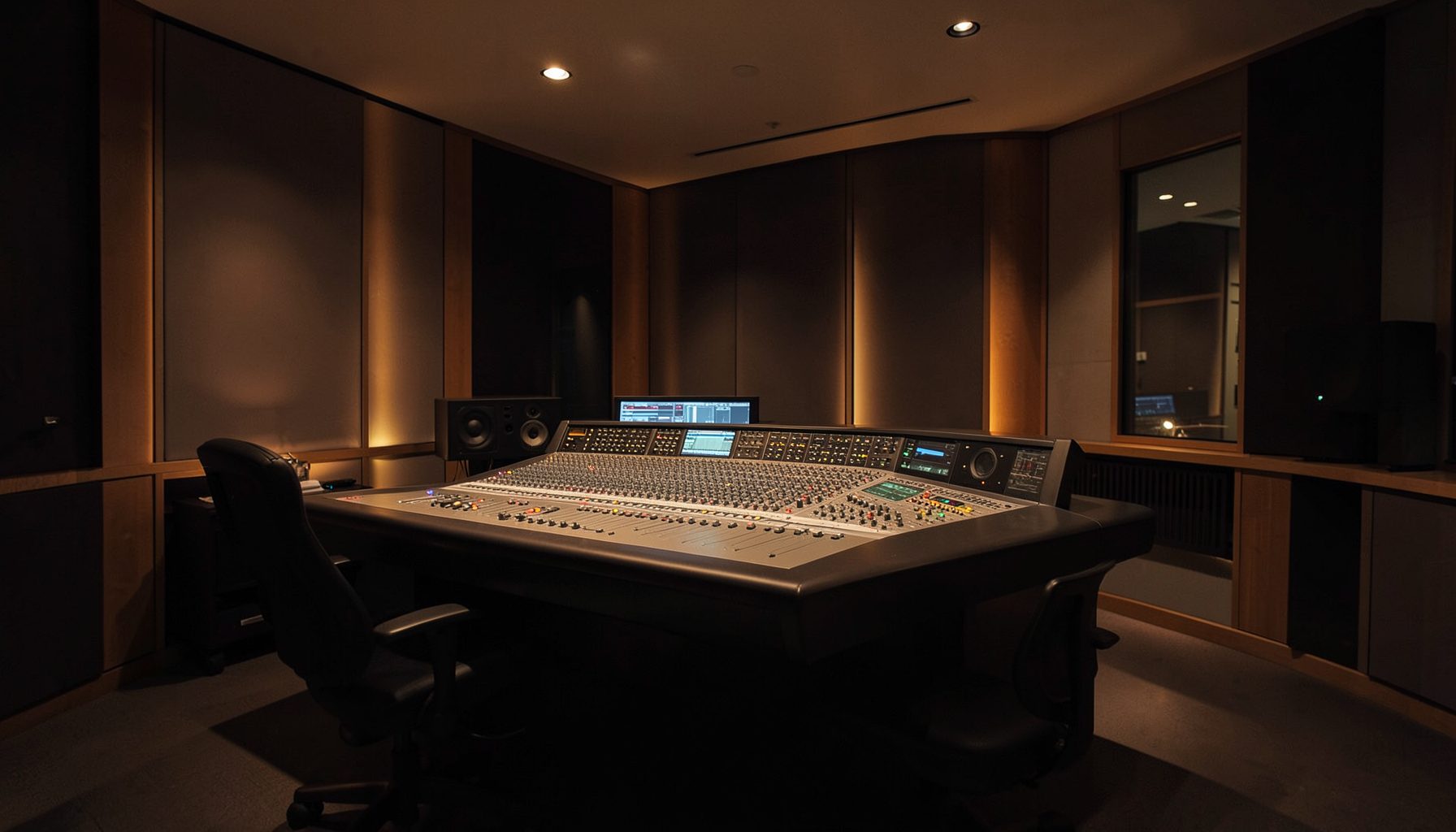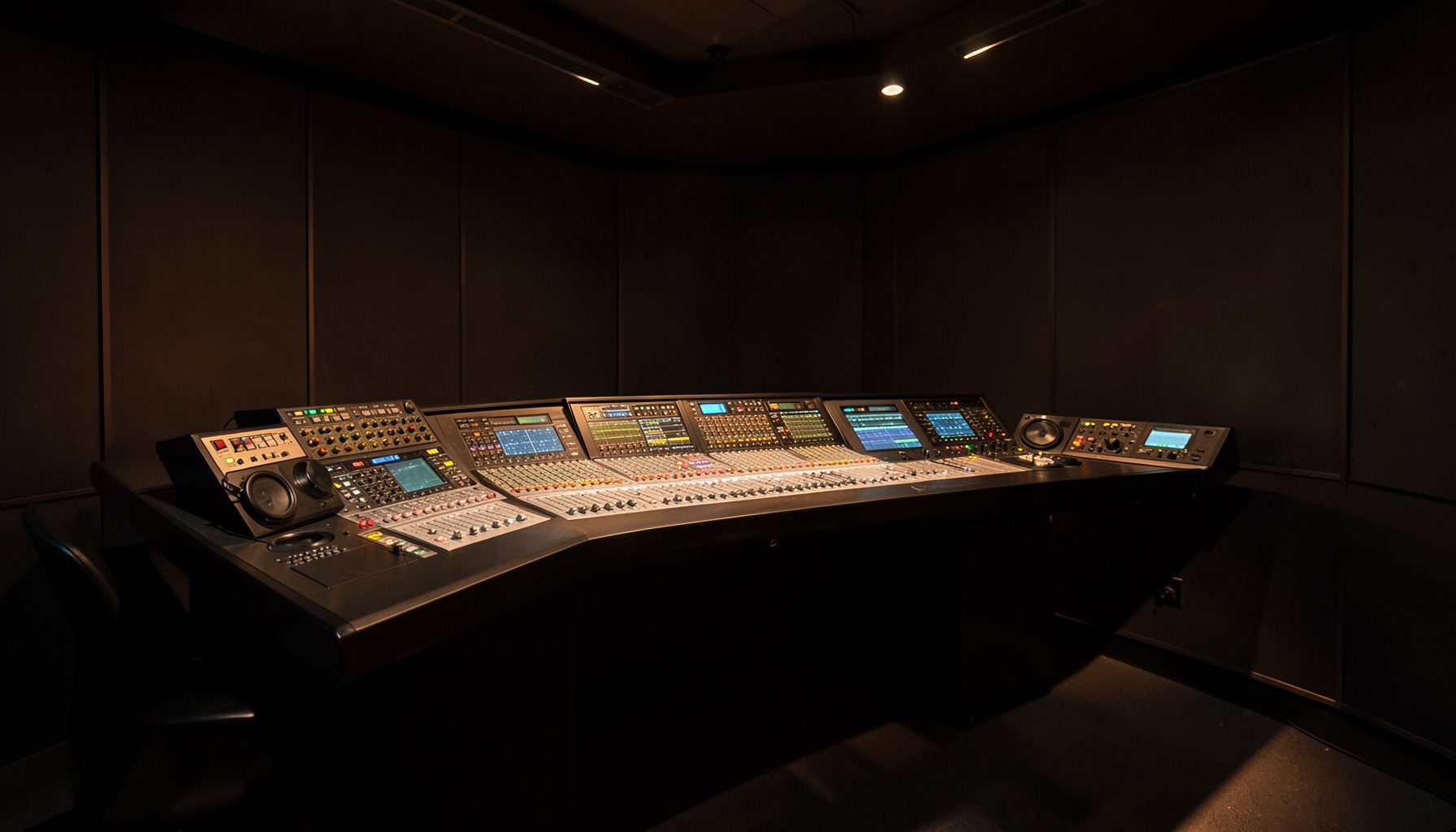
RƎLAY show profile portability for temporary broadcast setups
RƎLAY VRX has reshaped how broadcasters approach studio mobility across Australia, where geography stretches from coastal Sydney to the remote Pilbara and crews must deploy equipment in unconventional spaces. The software-based console offers native functionality for exporting and importing show profiles, a feature that has proven essential for teams handling outside broadcasts, pop-up studios, and touring productions.
Temporary studio configurations appear regularly across the country, whether at regional agricultural field days, music festivals in regional centres, or short-term installations for political coverage in Canberra. Carrying a fully configured console profile between venues reduces setup time and removes the risk of human error when recreating complex routing under pressure.
This capability carries particular value in Australia, where broadcasters often travel significant distances between assignments and crews must work within the technical frameworks set by the Australian Communications and Media Authority.
What show profiles contain in RƎLAY VRX
A show profile in RƎLAY VRX is a comprehensive bundle that captures the entire console state, including channel strips, EQ curves, dynamics processing, bus assignments, and snapshot recall settings. The file also stores user preferences, layout arrangements, and routing maps tied to the software environment.
When a profile is saved, it preserves everything needed to recreate a working mix environment at another location. This includes mix-minus configurations for phone hybrids, microphone processing chains, and monitoring defaults that differ between a capital city studio and a regional broadcast point.
The structure means an engineer arriving at a temporary venue can deploy a known configuration without rebuilding the desk from scratch on unfamiliar hardware.
Why temporary studios need profile transfer
Pop-up studios create specific workflow challenges because the available equipment rarely matches the host broadcaster's home setup. In places like a mining camp in the Hunter Valley or a festival site near Byron Bay, the only available computer may be a laptop running RƎLAY VRX, with no physical console in sight.
Transferring profiles means the technical director can keep the same processing chain, the same snapshot structure, and the same monitoring approach regardless of where the broadcast originates. For crews moving between multiple sites within a single week, this consistency becomes a significant operational advantage.
It also protects against version drift, where two engineers at different sites might otherwise interpret the same show format in subtly different ways.
How the export process works
Exporting a show profile from RƎLAY VRX is handled through the file menu, where engineers select the parameters they want to bundle. The resulting file is small enough to transfer by email, USB drive, or secure file sharing service.
Engineers working on assignments in places like Broome or Cairns often need to send profiles ahead to technicians waiting at the destination. The export package includes metadata about the source environment, helping the receiving engineer verify compatibility before the broadcast begins.
The format remains consistent across updates to the software, which protects long-term usability for stations archiving profiles for seasonal programming.
Importing profiles at a new location
Once a profile reaches its new site, importing it into RƎLAY VRX rebuilds the console environment within seconds. The software reconciles the incoming configuration with the available audio interfaces, flagging any routing conflicts that need attention.
This step matters greatly when the destination studio uses different physical inputs, such as a different model of AoIP node or a varying number of microphone preamps. Engineers must verify that the imported routing maps to the actual hardware present at the venue. The complete workflow for moving between studios is documented on the RƎLAY VRX product page, which outlines supported configurations and version requirements.
Use cases across Australian broadcasting
Australian broadcasters deploy temporary setups for a remarkable range of events, including Melbourne Cup coverage, V8 Supercars rounds, and touring live music broadcasts. Each scenario demands a console configuration that matches the home studio's processing standards while operating on borrowed infrastructure.
Community radio stations in regional centres like Ballarat or Toowoomba often collaborate on shared broadcasts, sending profiles between sites to maintain consistent on-air sound. National networks handle similar coordination across state borders, where time zone differences add another layer of complexity to live programming handoffs.
Coverage of natural events, from bushfire seasons in the south to tropical cyclones along the Queensland coast, also relies on portable studio setups that can be deployed quickly with minimal configuration time.
Integration with Lawo Power Core and mixing surfaces
RƎLAY VRX profiles interact predictably with Power Core audio nodes and physical Ruby mixing consoles when present at the temporary site. The shared Lawo ecosystem means a profile exported from a Ruby-equipped home studio can inform a VRX deployment, preserving the conceptual map of the show.
This integration matters for broadcasters that maintain a primary studio with a physical surface but rely on RƎLAY VRX for secondary sites. The portable environment mirrors the home workflow closely enough that operators feel immediately familiar, reducing training time during emergency deployments.
For networks operating under ACMA technical standards, this consistency also helps maintain documented compliance across all transmission points.
Comparing profile management approaches
Different broadcast software handles show portability in different ways, and the table below summarises key distinctions relevant to temporary studio work.
| Feature | RƎLAY VRX | Traditional console scenes | Generic DAW sessions |
|---|---|---|---|
| File portability across sites | Native export and import | Hardware-bound snapshots | Manual reconfiguration |
| Size of profile file | Compact | Fixed per console model | Often very large |
| Cross-device compatibility | Runs on standard PCs | Requires specific surface | Hardware-dependent |
| Setup time at temporary venue | Minutes | Hours when hardware changes | Hours |
| Integration with AoIP networks | Native | Limited | Requires plugins |
| Suitability for emergency deployments | High | Low | Medium |
The table highlights why RƎLAY VRX has become a preferred choice for broadcasters who need to move between sites regularly without sacrificing production quality.
The lasting value of portable show profiles lies in operational consistency. Australian broadcasters working across vast distances and varied infrastructure benefit from a workflow where the console environment travels with the engineer, ready to be deployed wherever the next assignment demands. Keeping profile management disciplined, with clear naming conventions and version control, ensures that every temporary studio sounds like home.