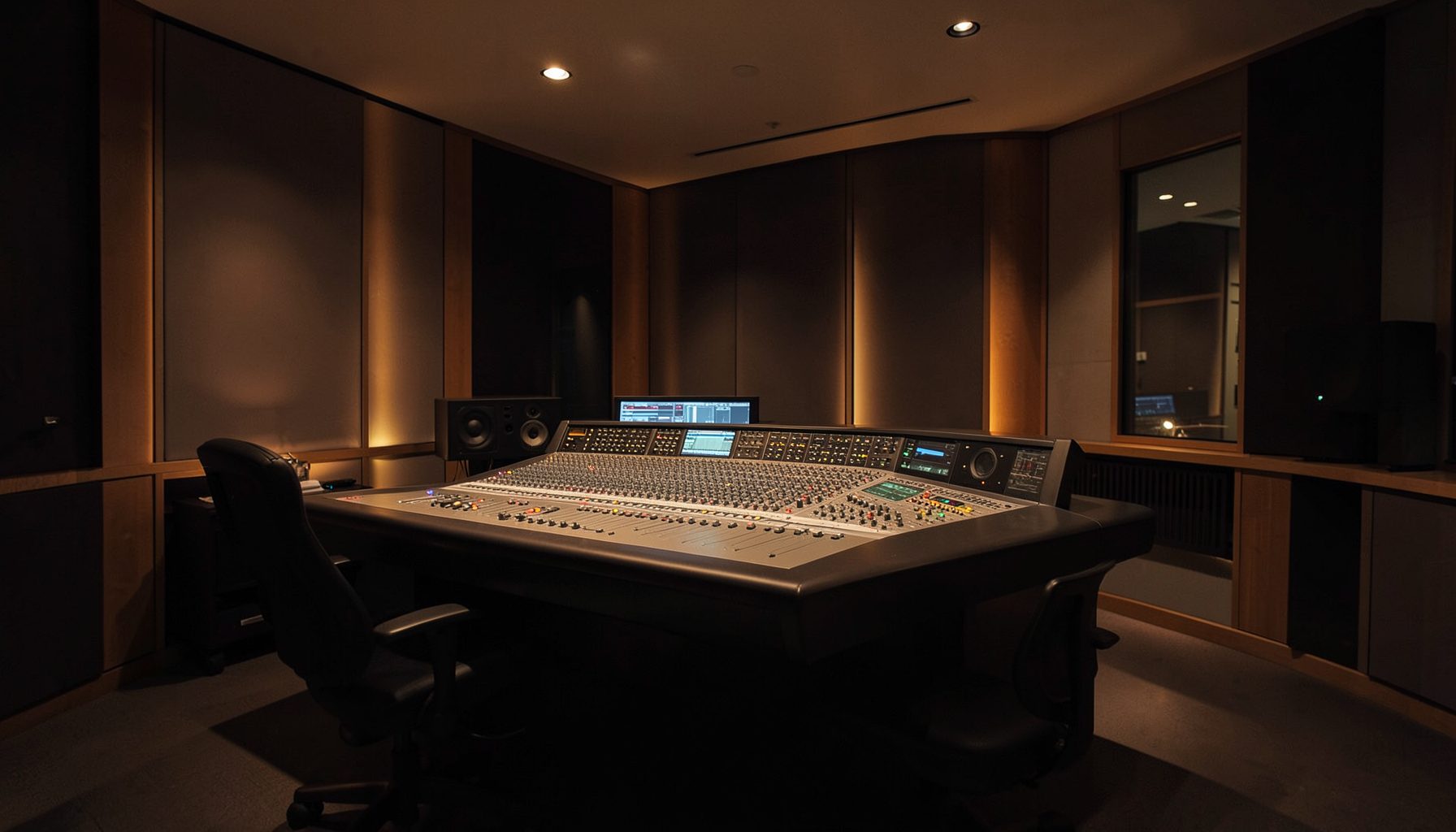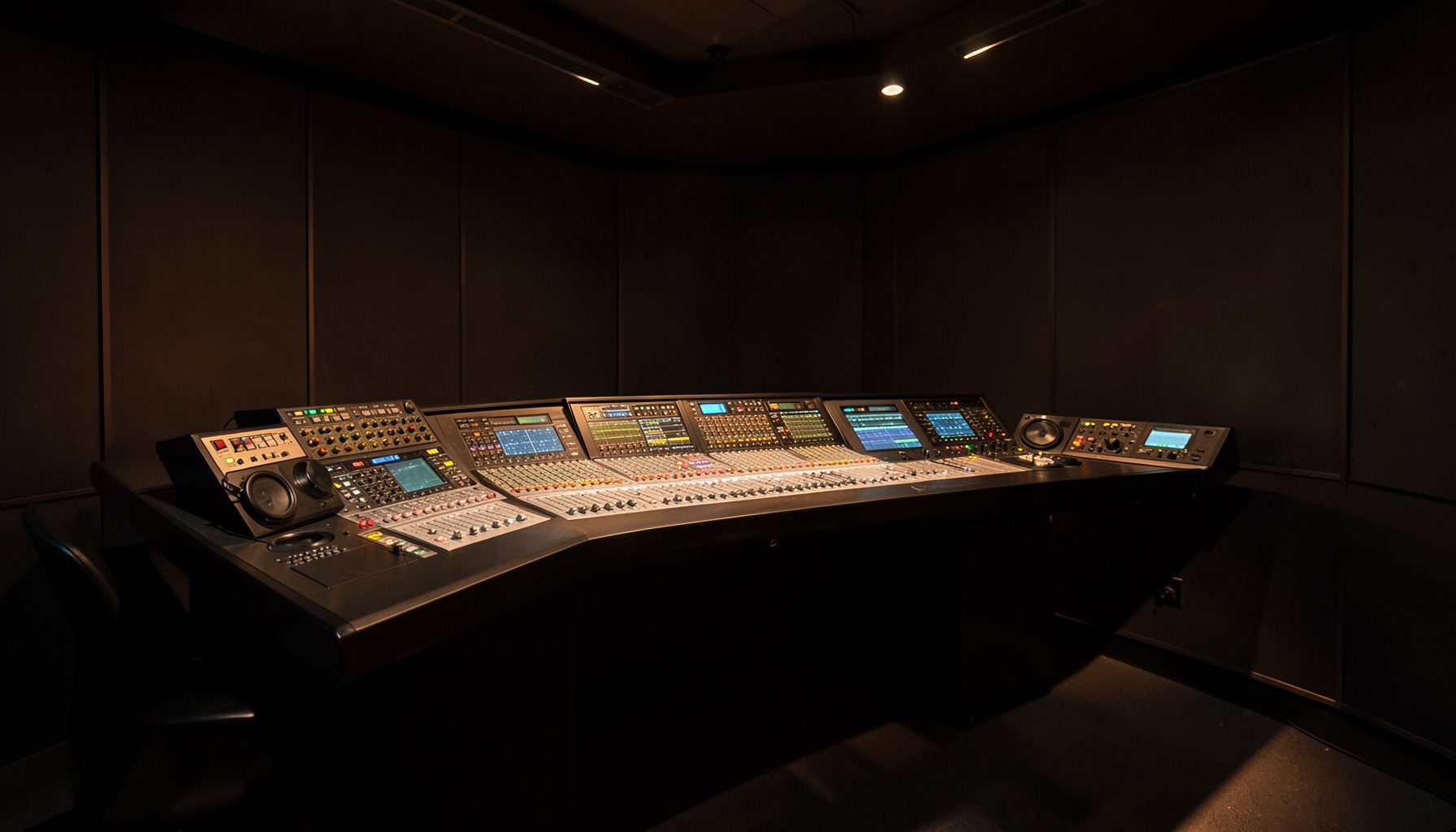
Power Core at the Centre of a Distributed Music Festival
A multi-stage music festival is a temporary broadcast network spread across a large site. Main stages, smaller performance areas, backstage production, media compounds and streaming positions may all need clean, synchronised audio. Power Core can provide the networked processing layer that connects these locations while keeping routing, mixing support and monitoring under central control.
This approach suits Australia’s festival environment, where an event may stretch across a Sydney park, a Melbourne racecourse or a Brisbane entertainment precinct. Production teams must move large amounts of audio reliably over distance, work within tight bump-in windows and accommodate changing weather, public access and local venue requirements. The wider Lawo Broadcast ecosystem provides a useful context for building that workflow around interoperable networked systems.
| Production requirement | Power Core contribution | Festival benefit |
|---|---|---|
| Several stages and feeds | Distributed DSP and routing | Less dependence on long analogue multicore |
| Centralised technical control | Network-accessible configuration | Faster changes between acts |
| Broadcast and streaming | Separate mixes from shared sources | Consistent programme audio |
| Fault tolerance | Redundant network design | Continued operation after a link or device fault |
| Temporary deployment | Software-defined signal handling | Scalable use from small to major events |
A Shared Audio Backbone
Power Core functions as a centralised audio node within an IP-based production system. Instead of placing every processor beside a single front-of-house console, engineers can distribute inputs and outputs around the festival site and transport signals through the network. This is particularly valuable when the stages are separated by service roads, audience areas or long cable runs.
A practical design might place one node near the main stage, another near the broadcast compound and additional I/O close to secondary stages. Microphone inputs, playback systems, announcer positions and communications can then be routed to the destinations that need them. The system can support independent front-of-house, monitor, recording, livestream and radio-style mixes without creating a separate physical signal path for every requirement.
Processing Across Multiple Stages
A distributed festival needs consistent processing policies even when each stage has a different console and production crew. Power Core can host shared DSP resources for equalisation, dynamics, delay, mixing support and signal distribution. Engineers can establish repeatable treatment for presenter microphones, artist feeds, sponsor announcements and programme returns.
The Power Core platform also helps separate operational responsibilities. A stage team can manage its local mix while a broadcast engineer receives clean stems or controlled splits. This reduces the risk of a last-minute change at one stage affecting the festival stream, recording truck or media feed. It also makes it easier to create a dedicated house mix for large LED screens and a lower-level ambience feed for online listeners.
Network Design And Resilience
A festival network should be designed around failure, not ideal conditions. Fibre links between stages can carry high channel counts over long distances, while managed switches and redundant paths provide protection against a damaged cable, failed switch or accidental disconnection. Critical nodes should use independent power sources where the site allows it, with UPS coverage for controlled continuity during short interruptions.
Clocking deserves equal attention. A stable timing reference keeps microphones, consoles, recorders and broadcast outputs aligned, preventing clicks, drift and phase problems. Engineers should document port assignments, IP addresses, fibre routes and recovery procedures before the first artist arrives. Clear labelling is especially important during an Australian summer event, when crews may be working quickly in heat and moving equipment between shaded and exposed areas.
Control For Broadcast And Streaming
The same festival can generate multiple programme outputs: a live stream, local radio contribution, social media clips, hospitality screens, press interviews and a recorded archive. Power Core provides a common routing environment for these feeds, so the production team can build separate mixes without duplicating every source.
A central operator can monitor stage returns, presenter microphones and off-air feeds from the broadcast compound. Remote control software and networked interfaces allow authorised staff to make changes without walking across a crowded site. This is useful at Melbourne events where a media compound may be distant from the main performance area, or at a Sydney site where public access and security restrict movement between zones.
Australian Operational Realities
Australian festivals must account for local licensing and workplace obligations as well as artistic requirements. Music use commonly involves APRA AMCOS licensing, while recorded repertoire and performances may require additional permissions from rights holders. The production plan should identify which outputs are for the live audience, which are streamed and which are archived, because each use can carry different rights implications.
Work health and safety duties also shape technical deployment. Safe cable ramps, protected fibre routes, weather-rated equipment and clear separation from public walkways are essential. Brisbane heat, sudden coastal weather around Sydney and large temperature changes at an Adelaide or regional site can affect equipment and crew performance. Radio-frequency coordination may also involve venue policy and Australian Communications and Media Authority requirements, particularly when wireless microphones, talkback and intercom systems operate across several stages.
Monitoring, Testing And Handover
A strong commissioning process begins with a signal map that names every source, destination, backup route and responsible operator. Engineers should test stage splits, talkback, emergency announcements, stream returns and recording feeds under realistic load. Metering and listening checks at the broadcast position can reveal a routing error before the first headline act begins.
Measurement equipment is useful when verifying level, noise, latency and timing across a temporary network. A specialist supplier such as Cavendish Instruments can support the test and measurement side of a professional audio deployment. The final handover should include saved configurations, a printed or digital patch list, recovery steps and an escalation contact for each stage.
Power Core’s value in a distributed music festival lies in making a large site behave like one coordinated audio system. By combining networked DSP, flexible routing, resilient infrastructure and disciplined monitoring, production teams can serve every stage, stream and broadcast outlet from a manageable technical core. The key point to remember is that the system should be planned as a complete production network, with redundancy, rights, safety and local operating conditions considered from the first signal map.