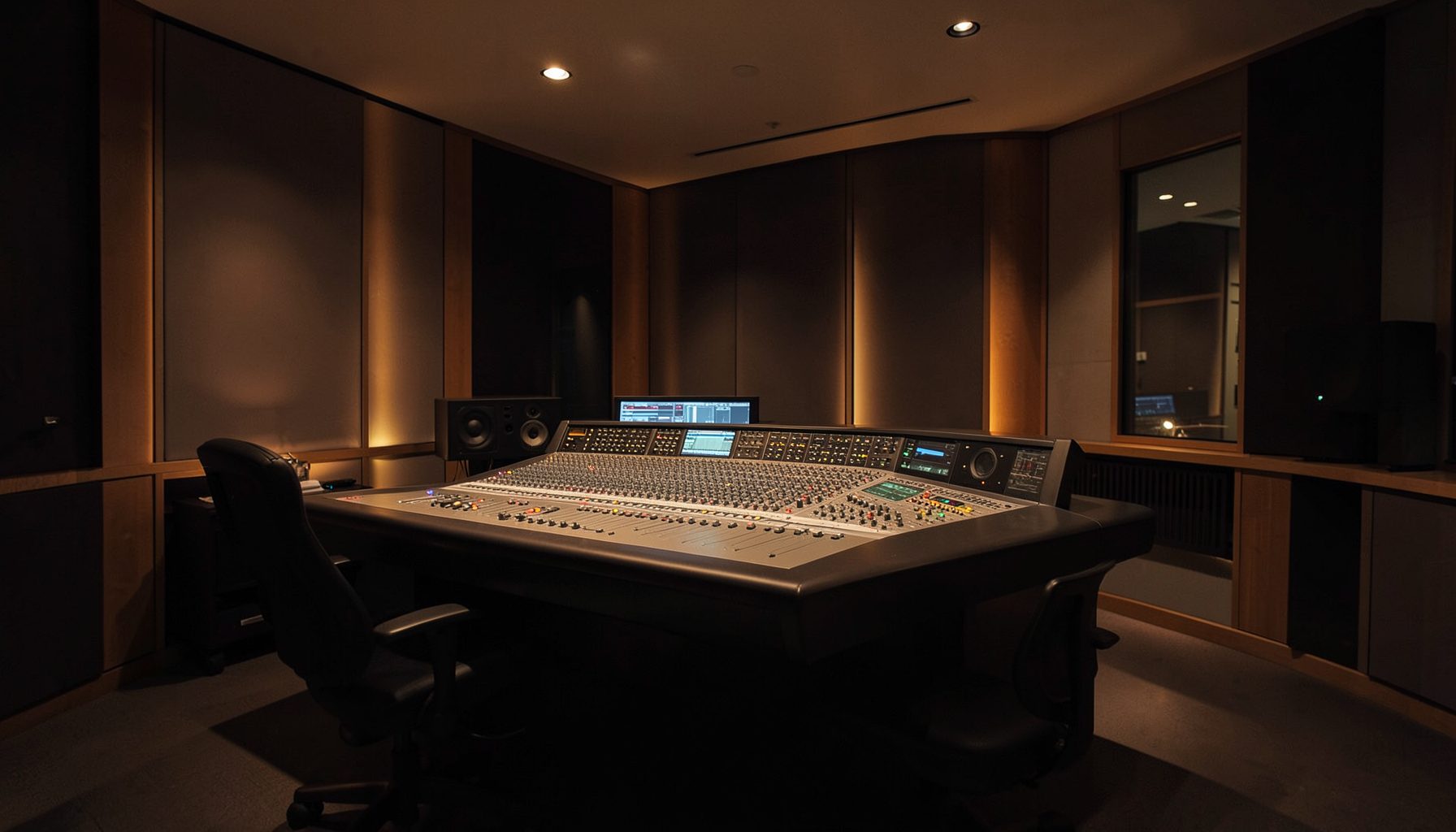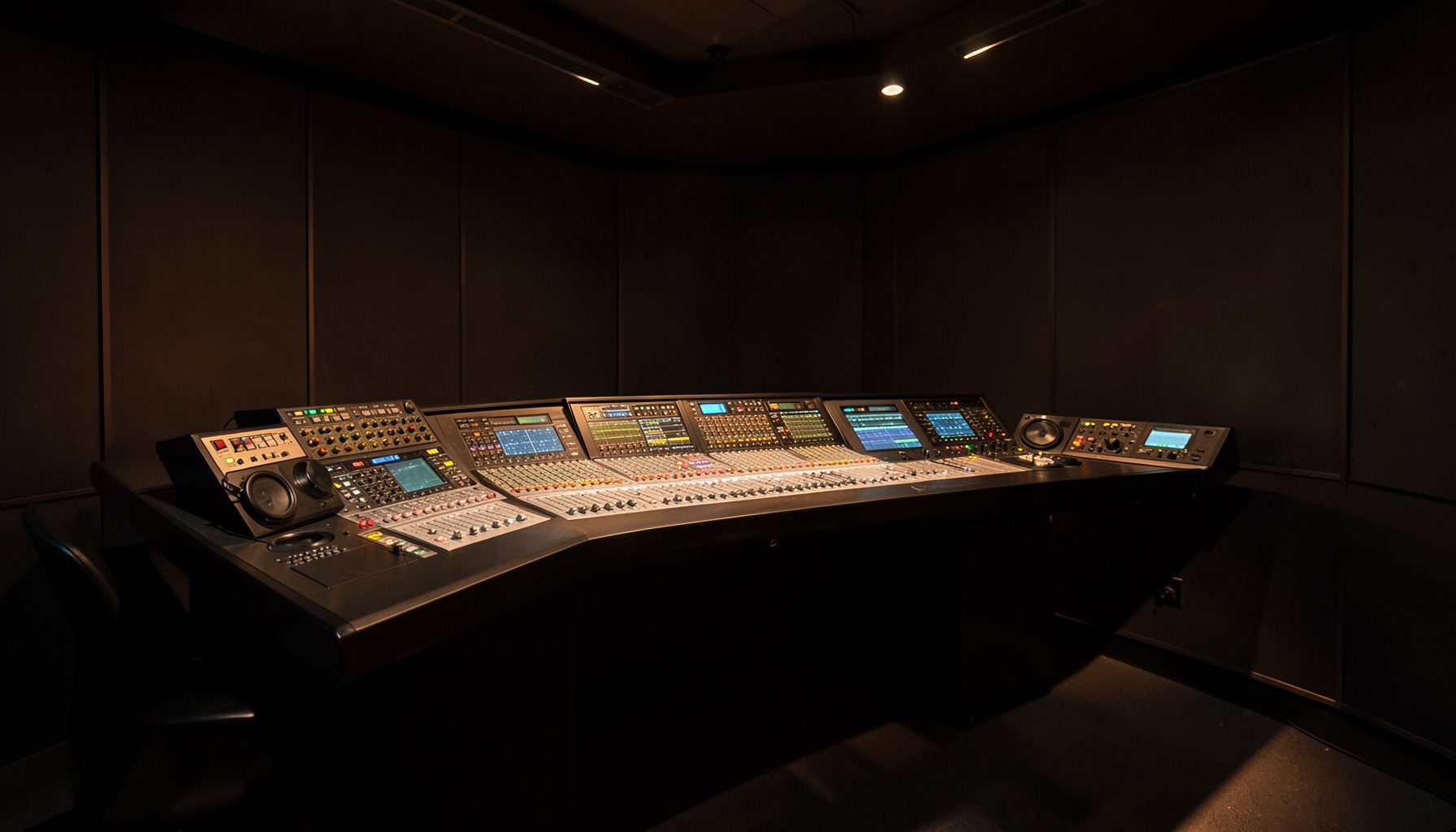
Power Core audio processing for simulcast TV and radio feeds
Television and radio simulcasts share content, yet they rarely need identical audio treatment. A television program may require a mix that supports pictures, ambience, and broadcast loudness standards, while a radio feed prioritizes speech intelligibility, consistent energy, and clean delivery through codecs or transmitters. Power Core provides a networked processing foundation for managing these requirements from a coordinated production environment.
As a Lawo audio node and DSP platform, Power Core can bring routing, mixing, processing, and distribution into an IP-based workflow. This approach helps broadcasters create related TV and radio versions without building isolated signal chains that are difficult to monitor or maintain.
The result is a more adaptable path from studio sources to transmission, streaming, contribution, and recording. Operators can preserve a common production mix while applying outlet-specific processing where it has the greatest effect.
A shared audio engine for split feeds
Simulcast production begins with a dependable core that can receive microphones, playout systems, remote guests, contribution feeds, and program returns. Power Core can act as that central audio resource, connecting sources and destinations through a configurable network architecture rather than relying solely on fixed point-to-point wiring.
This separation between physical I/O and processing makes it easier to serve several destinations at once. A television program bus, radio output, web stream, confidence feed, and recorder can each receive the appropriate signal while remaining part of the same operational design.
For facilities using RAVENNA or AES67-compatible audio networking, an IP audio node can also simplify expansion. Additional studios, control rooms, or remote production positions can be integrated without redesigning every local connection.
Processing that follows each outlet
The key to a strong simulcast workflow is recognizing that TV and radio audiences experience the same event differently. Television viewers may hear natural room sound and carefully positioned effects, whereas radio listeners depend on a focused foreground mix that remains intelligible in cars, homes, and mobile environments.
Power Core processing can support separate equalization, dynamics, delay, gain, and loudness strategies for those destinations. The shared source material remains available, but the final radio bus does not have to mirror the television mix. This is especially useful when a radio feed needs tighter speech control or a different balance between commentary and atmosphere.
A controlled processing chain also helps maintain predictable levels between live segments, recorded inserts, and network contributions. Consistent gain structure reduces the amount of corrective work required by operators and makes downstream compliance easier to manage.
Routing and synchronization across facilities
Simulcast audio often crosses multiple production areas before reaching an audience. A studio may feed a television gallery, radio booth, remote commentator, streaming encoder, and archive system at the same time. Centralized routing makes these paths visible and allows engineers to define clean handoffs between them.
| Workflow requirement | TV-oriented approach | Radio-oriented approach | Power Core benefit |
|---|---|---|---|
| Speech balance | Preserve natural dialogue with program context | Keep voices prominent and stable | Independent processing paths |
| Ambient sound | Retain atmosphere and visual perspective | Add energy without masking commentary | Flexible buses and routing |
| Timing | Align audio with cameras and video systems | Compensate for contribution or codec paths | Configurable delay resources |
| Loudness | Meet television delivery specifications | Maintain consistent perceived level | Dedicated output processing |
| Monitoring | Gallery, presenter, and transmission returns | Presenter, producer, and off-air monitoring | Network-based signal distribution |
Synchronization is equally important when audio is shared between video and radio operations. A dedicated delay on one path can compensate for video processing, satellite contribution, or streaming latency. Engineers can then maintain lip-sync on television while keeping radio timing appropriate for its own distribution chain.
Because the routing and processing environment is software-configurable, changes can be made through the system design rather than extensive rewiring. That supports temporary productions, seasonal programming, and facilities that serve several channels from the same technical core.
Keeping speech clear and compliant
Speech is usually the most sensitive element in a simulcast. A presenter who sounds natural on television may lose clarity after radio compression, streaming encoding, or noisy mobile playback. Multiband dynamics, equalization, de-essing, and carefully set bus compression can help preserve intelligibility without making the output sound aggressive.
Power Core can also support separate loudness workflows for different delivery points. Rather than applying one heavy-handed processor to every destination, engineers can tailor the final stages to the expectations of broadcast television, terrestrial radio, digital radio, and online distribution.
Talk-based programming benefits from consistent microphone control and reliable mix-minus feeds. Lawo’s talk-show workflows describe how intelligent microphone management can help maintain clarity when several contributors speak in a live program. That type of approach complements Power Core’s routing and processing role in a radio-led simulcast environment.
Operational choices for a resilient setup
A well-designed system should make routine tasks quick for operators. Source selection, presenter changes, remote contribution, and output monitoring need clear control surfaces or software interfaces. Lawo’s broader ecosystem, including Ruby consoles and VisTool, can provide control options suited to different rooms and production roles.
Redundancy should be considered at the network, processing, power, and distribution levels. Separate signal paths, resilient network infrastructure, and carefully planned failover reduce the risk that a single device or connection interrupts both television and radio services.
Monitoring should include pre-processing and post-processing points. Engineers can then identify whether a problem originates at the source, in routing, within the output chain, or after encoding. This is particularly valuable when a television feed sounds correct while the radio version has excessive density or a timing mismatch.
Practical deployment recommendations
Before configuring a simulcast audio system, teams should document the sources, destinations, processing needs, and operational ownership of every feed. A clear signal-flow map prevents the common mistake of treating the radio output as a simple copy of the television program.
- Build a shared source layer with dedicated TV, radio, streaming, and recording buses.
- Reserve separate delay and loudness-processing stages for each distribution path.
- Create named presets for recurring shows, events, and remote contribution formats.
- Monitor both the processed output and the final encoded or transmitted return.
- Design failover routes before the first live production, then test them under realistic conditions.
Power Core is most valuable when it is treated as an adaptable audio infrastructure layer rather than a standalone processor. Its networked architecture can support centralized control, independent outlet processing, and scalable routing while allowing production teams to retain familiar operating methods.
For broadcasters developing a unified Broadcast 3.0 workflow, this flexibility creates a practical route to higher consistency across television and radio. Review the required feeds, define the processing differences, and build a Power Core signal path that lets every audience receive audio shaped for its actual listening environment.