Migrating Legacy Audio Snakes to Lawo’s IP-Based Infrastructure
Traditional audio snakes have served radio studios well for decades. Their fixed point-to-point wiring is familiar, predictable, and easy to troubleshoot when a facility has a stable layout. However, expanding studios, remote production, multichannel formats, and distributed operations can expose the limits of copper or dedicated digital cable runs.
Moving to an IP audio network creates a more adaptable foundation. With Lawo’s ecosystem, audio, control, and processing can travel across a managed network while consoles, I/O, software tools, and production spaces remain flexible. The migration does not need to be a disruptive replacement project; it can be planned as a controlled transition from legacy infrastructure to networked broadcast workflows.
Why Replace Fixed Audio Snakes
A traditional snake permanently associates inputs and outputs with physical cable positions. Reassigning a microphone, codec, playout source, or studio monitor often requires repatching, additional cable, or changes to the rack design. As facilities add studios and shared resources, these limitations increase operational complexity.
An IP-based system separates signal transport from physical location. Sources can be routed to a Ruby console, a production workstation, a contribution path, or a backup room through software-defined connections. Redundant network paths can also provide resilience without requiring an entirely separate audio snake for every critical route.
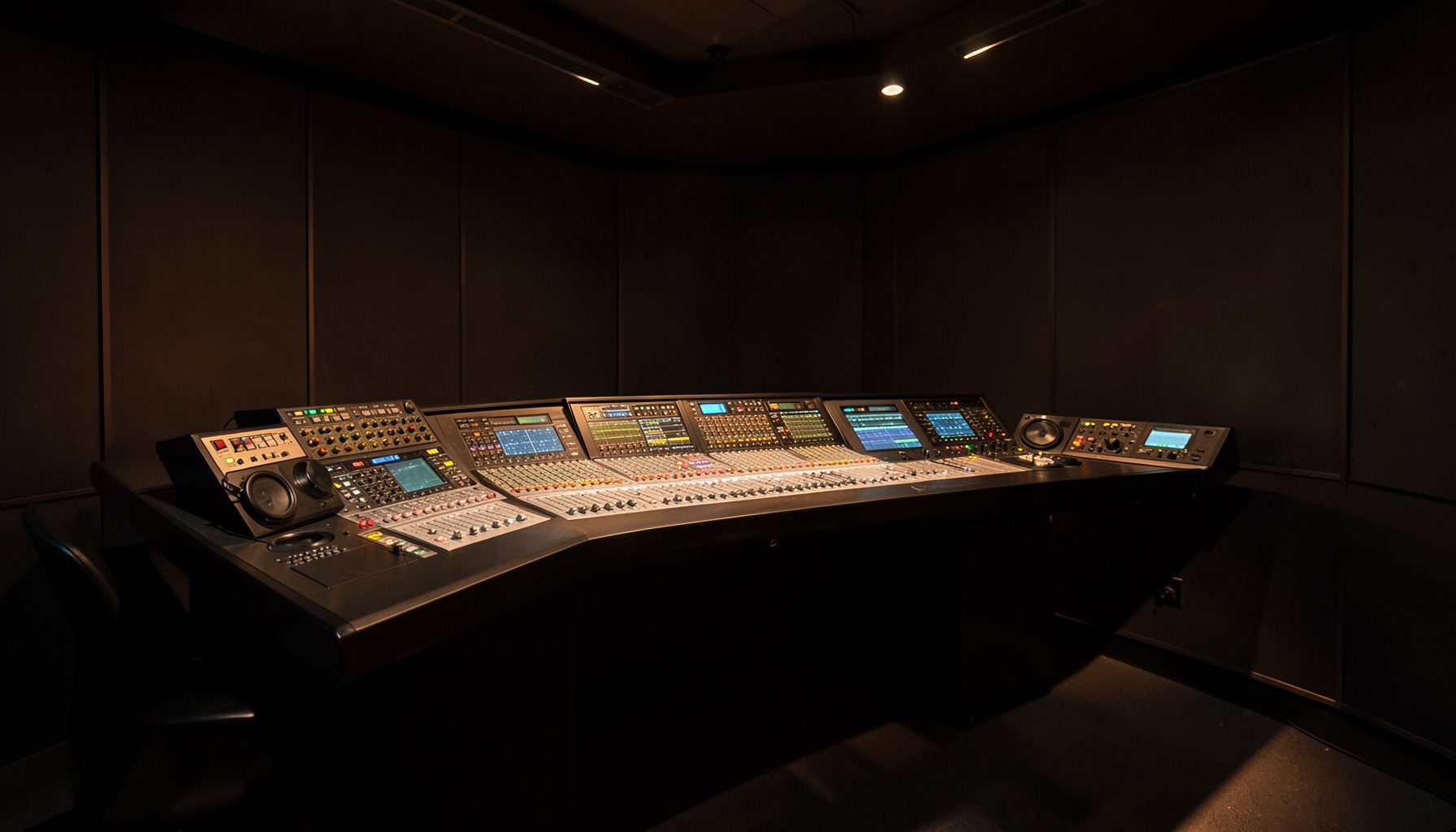
This approach supports centralized resources while keeping local operation straightforward. Power Core audio nodes can provide I/O, DSP, mixing, and routing within a networked architecture, reducing the need to place large amounts of equipment in every studio.
Start With a Complete Signal Map
Before removing any cable, document the existing system. Record every microphone, codec, telephone hybrid, playout output, monitor feed, talkback circuit, and control-room connection. Include normal routes, backup paths, GPIO signals, word-clock references, and any feeds that are used only during special programming.
The map should distinguish analog, AES3, MADI, and other digital interfaces. It should also identify which signals require preamplification, phantom power, sample-rate conversion, delay, mix-minus, or loudness processing. This information determines where networked I/O and processing should be located.
Treat the current snake as a collection of workflows rather than a bundle of cables. For example, a presenter microphone may feed the console, a recording system, a confidence monitor, and a remote guest mix-minus. Preserving that operational relationship is more important than replicating the original wiring diagram exactly.
Select the Right IP Architecture
Lawo deployments commonly use standards-based audio networking, including RAVENNA and AES67 interoperability. A managed network carries audio streams between nodes and endpoints, while control systems establish routes and expose the functions operators need. Correct switch configuration, clocking, VLAN design, and redundancy planning are essential to dependable performance.
A migration can begin with a hybrid design. Existing analog sources may connect to networked I/O through suitable interfaces, while new studios use native IP endpoints. This permits gradual replacement of legacy equipment and avoids forcing every external device to change at the same time.
| Consideration | Legacy audio snake | Lawo IP-based infrastructure | Migration priority |
|---|---|---|---|
| Routing | Fixed physical paths | Software-defined network streams | Map critical routes first |
| Expansion | New cable and rack work | Additional endpoints and licenses | Plan capacity and switch ports |
| Redundancy | Separate physical wiring | Network and device redundancy | Protect core services |
| Processing | Dedicated outboard units | Centralized or distributed DSP | Match existing audio functions |
| Operations | Patch panels and hardware controls | Console and software control | Preserve familiar workflows |
| Maintenance | Trace cables and replace hardware | Monitor streams, devices, and network | Establish visibility and documentation |
The network must be engineered as broadcast infrastructure, not treated like an ordinary office LAN. Use appropriate bandwidth, quality-of-service policies, precise timing, documented port assignments, and independent primary and secondary paths where availability requirements demand them.
Keep Operators Productive During Change
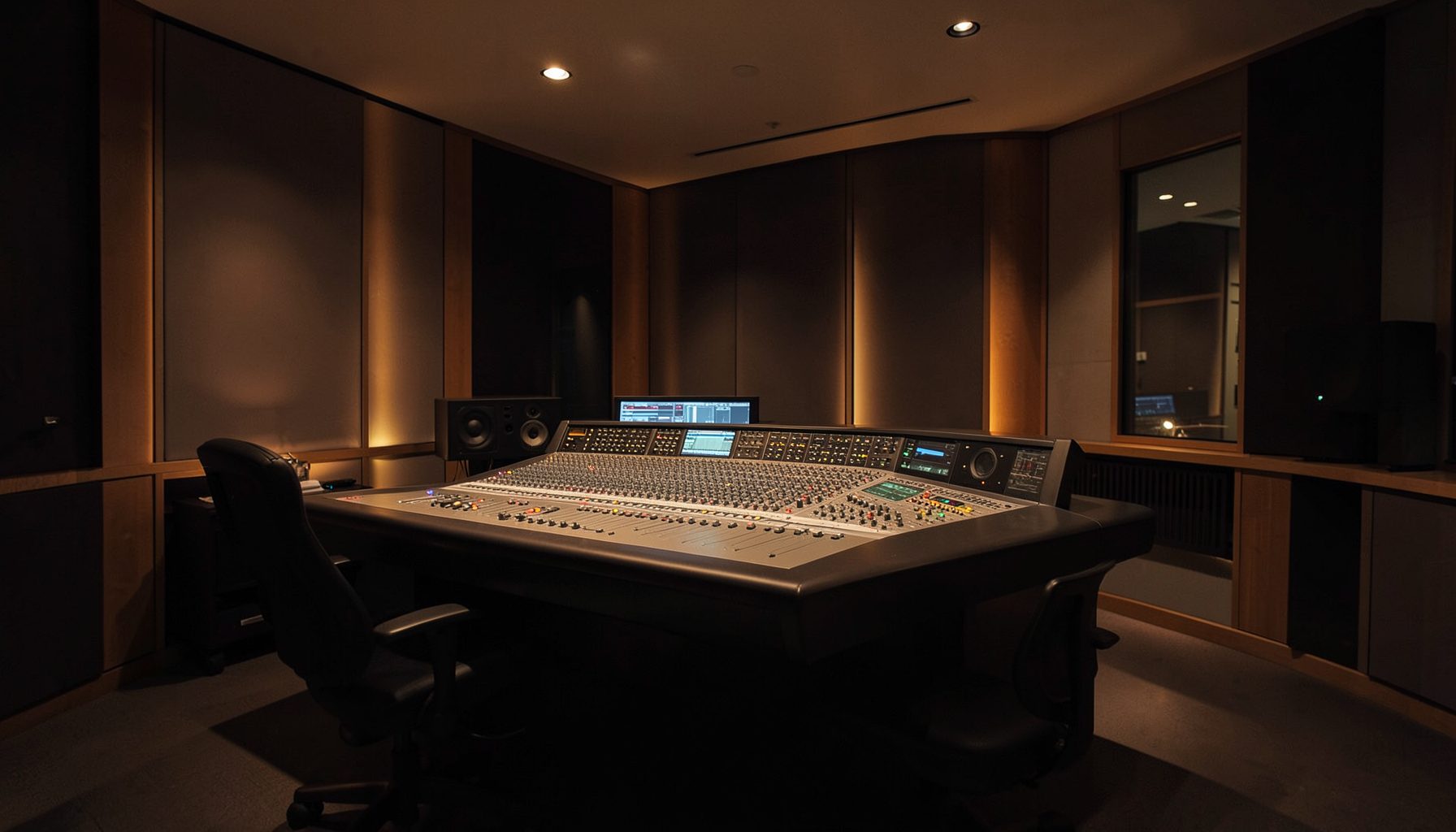
A technically successful migration can still fail if it makes routine work harder. Studio staff should continue to find familiar sources, monitor paths, talkback functions, and mix-minus feeds in predictable places. Ruby consoles can provide a consistent operator surface while routing and processing move into the IP domain.
VisTool can extend control across the facility, allowing teams to build clear interfaces for routing, source selection, monitoring, and system status. The VisTool studio software is especially useful when different rooms need tailored controls without exposing every underlying network function to the operator.
Keep labels, naming conventions, and source descriptions consistent during the transition. A microphone called “Studio A Host” should not become an unexplained stream identifier simply because its transport has changed. Clear naming reduces mistakes during live shows and makes fault finding faster.
Stage the Migration Around Broadcast Risk
A phased cutover is usually safer than a single overnight replacement. Begin with a noncritical production room, a secondary studio, or a defined group of sources. Validate audio quality, latency, clock stability, monitoring, control, and recovery procedures before moving primary transmission paths.
Use temporary interfaces or gateway hardware where necessary. Legacy consoles, codecs, and processors can remain in service while IP endpoints are tested beside them. Parallel operation provides a practical reference: engineers can compare levels, delay, routing behavior, and operator procedures before retiring the old snake.
Migration Priorities
- Inventory every source, destination, control signal, and clock dependency.
- Define primary and backup routes before connecting live services.
- Establish network naming, VLAN, QoS, timing, and redundancy standards.
- Test failover with realistic program, monitoring, and mix-minus traffic.
- Train operators and document routine recovery procedures.
A formal acceptance test should cover normal programming, remote contribution, recording, off-air monitoring, emergency announcements, and power or network interruption. Capture the results in a system record that includes device addresses, stream names, software versions, and approved routing states.
Build a Platform for Future Workflows
Once audio transport is networked, the facility can share resources across radio, post-production, live performance, and theatrical applications. A single infrastructure can support distributed studios, remote contribution, virtualized processing, and additional control positions without recreating a separate physical snake for each use.
Software-based tools such as RƎLAY can help extend radio production into virtualized and distributed environments. AutoMix can support consistent microphone balancing in applications where several speakers must remain intelligible, while networked DSP allows processing to be placed closer to the workflow rather than locked inside one rack.
This broader direction reflects Lawo’s Broadcast 3.0 approach: connected systems that combine audio, video, control, and software-defined operation. The company’s broadcast technology ecosystem provides context for designing an infrastructure that can evolve as studio requirements change.
A successful migration leaves the facility with fewer hidden dependencies and clearer operational control. Legacy sources can continue to work through gateways, while new devices join the network natively. Over time, the organization gains simpler routing, better resource sharing, and a more manageable path for expansion.
Contact Lawo to assess the existing snake system, define a phased IP architecture, and match networked I/O, Power Core, Ruby, VisTool, and related tools to the facility’s operating requirements. Begin with a documented signal map and turn the first controlled studio migration into the foundation for a resilient broadcast-wide transition.