Seamless In-Studio And Remote Guest Integration With RƎLAY
Radio production increasingly depends on contributors who are not in the same room. A presenter may be working from the main studio, a specialist may be calling from home, and a guest may be joining from another country. Delivering a natural conversation across those locations requires more than a reliable connection: it requires consistent control, intelligible audio, and a workflow that does not distract the host.
Lawo’s RƎLAY virtual radio tools address this need by bringing remote contribution into a software-based production environment. Combined with networked audio, flexible routing, and familiar studio controls, the platform can help broadcasters treat remote voices as part of the regular studio mix rather than as an afterthought.
The result is a more adaptable approach to interviews, phone-ins, podcasts, breaking-news coverage, and distributed radio production. Teams can preserve editorial spontaneity while maintaining the technical discipline expected from a professional broadcast operation.
Build A Consistent Guest Workflow
A remote guest workflow starts with dependable contribution audio. RƎLAY can help producers organize incoming voices within the same operational environment as studio microphones, playback sources, and presenter talkback. This makes it easier to manage levels, monitor participants, and move between local and remote contributors without repeatedly changing production tools.
Consistency is especially valuable during live interviews. The presenter should be able to focus on the conversation while the technical team manages routing, cue feeds, and return audio. Clear separation between the guest feed, the presenter’s microphone, and the program mix also helps reduce confusion when several people are speaking at once.
Connect RƎLAY With Networked Studio Control
Software-defined production becomes more powerful when it is connected to a wider audio-over-IP infrastructure. Remote guest channels can be routed to the required studio destinations, monitored from appropriate positions, and integrated with established signal paths. This supports a scalable system in which contribution sources can be added without rebuilding the physical console layout.
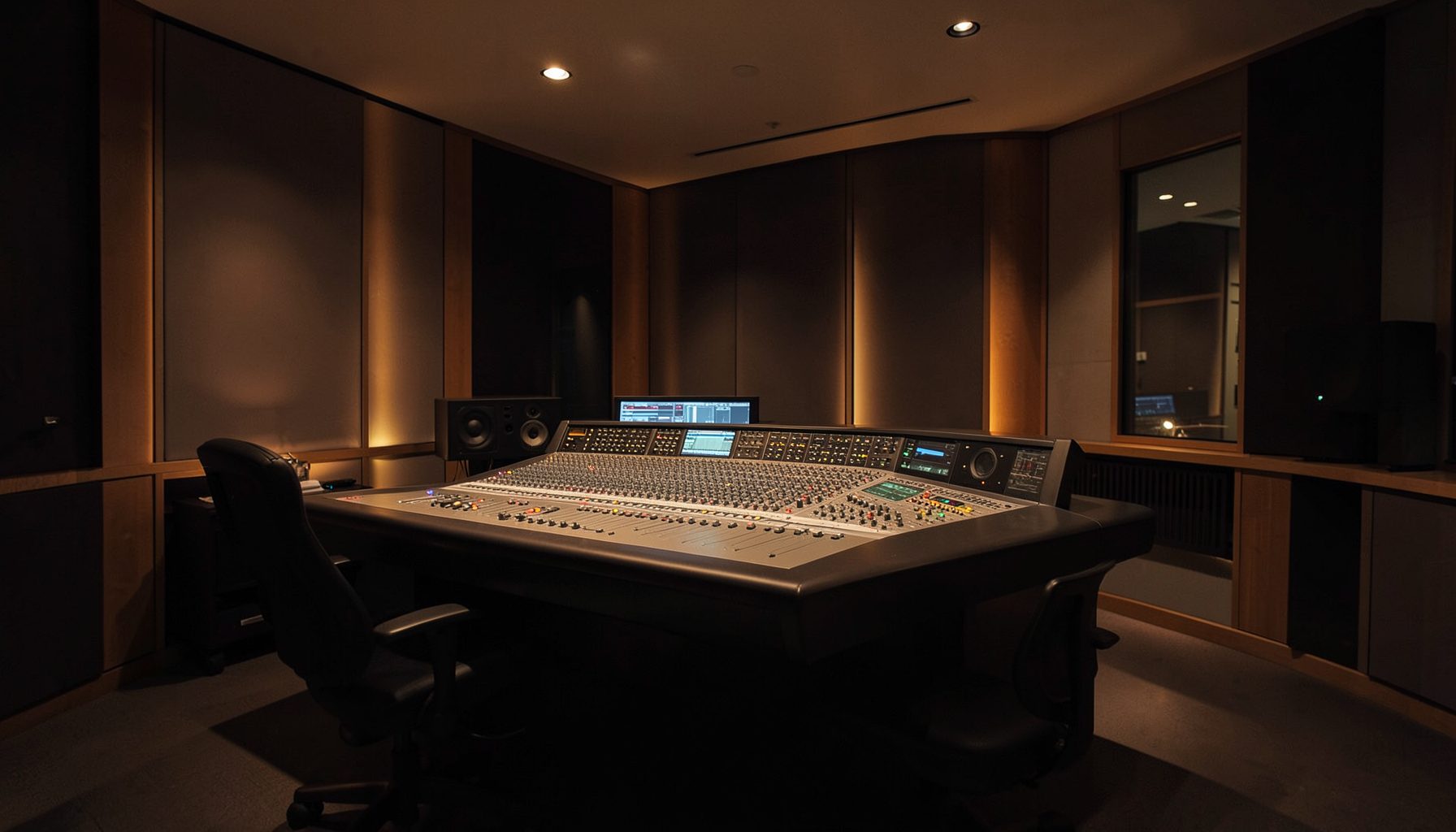
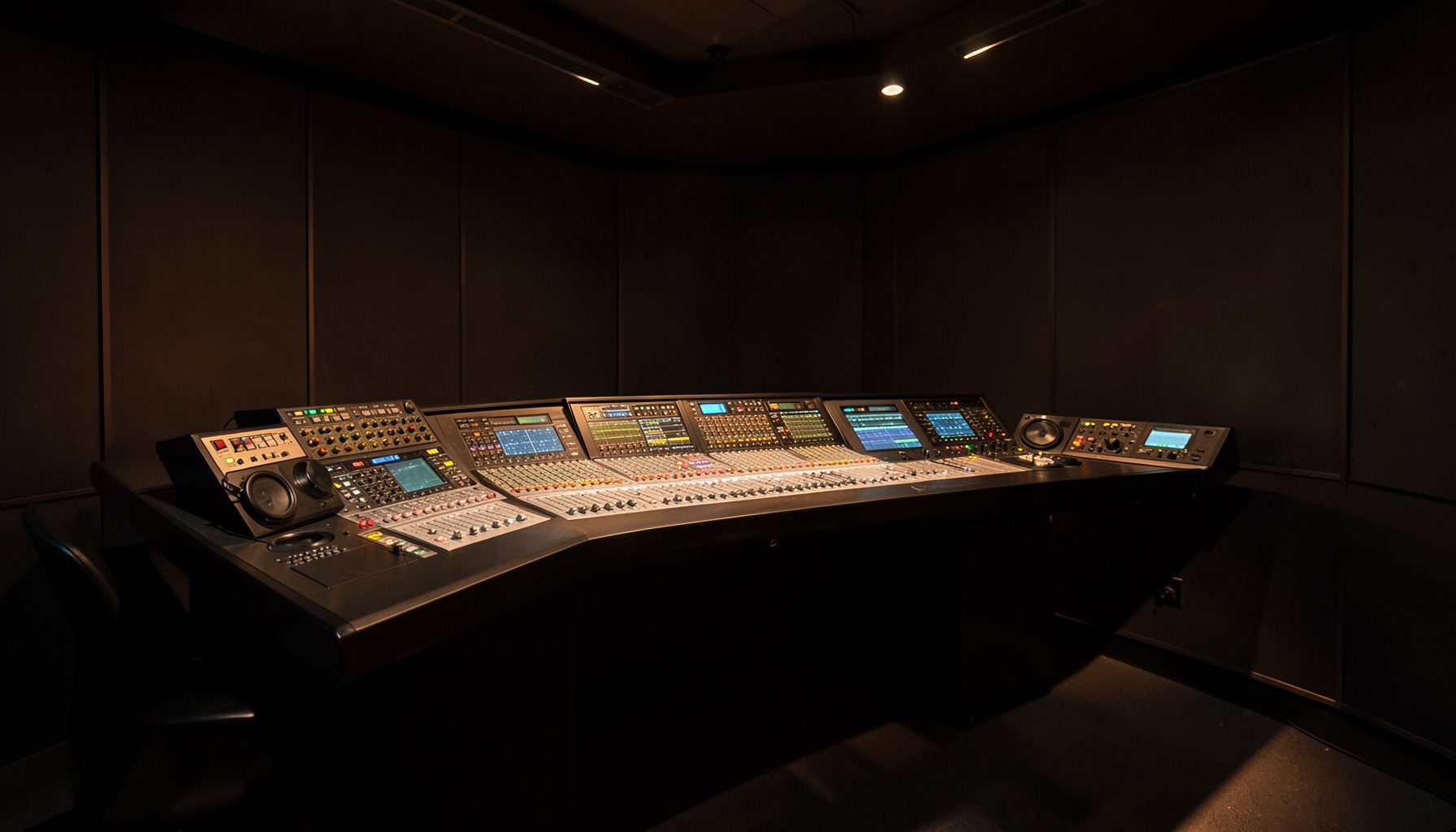
For teams using Lawo’s Ruby mixing consoles, RƎLAY can complement a tactile operating surface with flexible virtual tools. The presenter or producer retains hands-on control for essential actions, while software manages the distributed elements behind the scenes. This combination supports fast live operation without limiting the system to a single room or fixed hardware configuration.
Balance Local And Remote Production Needs
In-studio and remote production have different operational priorities. A studio guest benefits from direct communication, predictable microphone technique, and immediate producer support. A remote guest needs clear instructions, an appropriate return feed, and safeguards against echo or double monitoring. RƎLAY helps bring both types of contributor into a coordinated workflow.
| Production requirement | In-studio guest | Remote guest with RƎLAY |
|---|---|---|
| Audio source | Local microphone and console input | Software-managed contribution feed |
| Producer control | Direct studio routing | Remote routing, monitoring, and cue management |
| Presenter interaction | Face-to-face communication | Dedicated return audio and talkback |
| Expansion | Limited by physical inputs and rooms | Scalable across locations and connected devices |
| Operational priority | Mic technique and room acoustics | Connection quality, latency, and echo prevention |
The producer can therefore standardize key actions even when the contribution methods differ. Fader control, mute states, monitoring, and mix-minus principles remain part of one coherent operating model. That continuity is important for stations that want remote access without creating a separate, less controlled production chain.
Protect Intelligibility And Listener Comfort
A technically connected guest is not automatically a broadcast-ready guest. Level differences, room reflections, background noise, and unstable networks can quickly make an interview tiring to follow. Careful gain staging and monitoring are essential, particularly when a remote voice is placed beside a polished studio microphone.
RƎLAY-based workflows can support this by giving operators clear control over contribution sources and their place in the program mix. Producers can monitor the guest independently, adjust the balance between host and contributor, and use dedicated return paths to prevent the guest from hearing a delayed version of their own voice. These details make conversations feel more immediate and help protect the listener experience.
Latency also deserves attention. A short delay can be manageable, but it changes the rhythm of an interview and becomes more noticeable when several remote participants are involved. Establishing a consistent connection method, briefing guests before going live, and allowing the presenter to recognize natural pauses can reduce interruptions and cross-talk.
Extend Coverage Beyond The Main Studio
Remote guest integration is useful well beyond scheduled interviews. Newsrooms can bring in eyewitnesses, correspondents, analysts, and field reporters without requiring them to travel to the station. Specialist contributors can participate in niche programming from their workplaces, while podcast teams can produce episodes with geographically dispersed hosts.
The same architecture can support hybrid shows in which one presenter works from a studio and another works remotely. With suitable routing and monitoring, both can access the production workflow, share sources, and coordinate with a producer. This flexibility can also help broadcasters maintain output during studio renovations, temporary relocations, or multi-site operations.
Operational Practices For Reliable Integration
Technology works best when the workflow is documented and repeatable. Stations should define how guests connect, who manages their levels, how the return feed is created, and what happens if the primary connection drops. Simple operating rules reduce pressure during live segments and make it easier for less experienced contributors to participate.
Useful practices include:
- Create a standard pre-interview check for microphone, headphones, network stability, and room noise.
- Use a dedicated return or mix-minus feed so guests do not hear distracting program delay.
- Label remote sources clearly in the routing and control environment.
- Keep a backup contribution method available for important interviews.
- Train presenters to manage pauses and handovers when network latency is audible.
Regular rehearsal is valuable for more complex shows. Producers can test multiple guests, confirm monitoring paths, and verify that the remote contribution remains separate from the final program feed when required. Reviewing recordings after a live segment can reveal issues that were difficult to notice while operating the production.
Make Distributed Radio Feel Immediate
The strength of a RƎLAY workflow lies in making location less important to the listener. When remote audio is routed cleanly, monitored carefully, and controlled alongside studio sources, the audience hears a unified program rather than a patchwork of separate connections. That is the foundation for more responsive interviews and richer live coverage.
Broadcasters can explore the right combination of virtual tools, networked audio, and studio control through Lawo’s broadcast portfolio. To discuss a workflow for remote guests, hybrid production, or distributed radio operations, contact Lawo and turn contribution flexibility into a dependable part of daily output.