Power Core analog I/O with legacy telephone hybrids
Many Australian radio studios still use a telephone hybrid to bring talkback callers into the broadcast chain. Integrating Power Core’s analog I/O with that equipment lets a station retain a proven line interface while moving mixing, monitoring and routing onto a networked console. The hybrid remains the call-handling endpoint; Power Core becomes the controlled bridge between analogue audio and the wider studio workflow.
The important distinction is between telephone signalling and programme audio. A hybrid may terminate PSTN, ISDN or SIP, but its studio audio outputs still need correct gain, grounding, mix-minus and talkback treatment. A staged integration avoids replacing working call hardware unnecessarily and gives engineers a measurable path from caller audio to air, with monitoring and failure routing designed at the same time.
Keeping the hybrid in service
A legacy hybrid remains useful where it handles calls reliably and connects to an available telephone service. Its analogue send and return connections can feed a Power Core node, while presenter and automation sources remain in charge of programme mixing. This division reduces disruption at community, independent and regional stations that cannot justify a full phone-system migration.
Sydney, Melbourne and Brisbane have commercial stations with established hybrid workflows alongside smaller operators using simpler equipment. Australia’s migration from copper and ISDN services to NBN access and SIP-based telephony varies by site and carrier, so retaining a tested hybrid can provide continuity during a staged telecommunications change.
Designing the signal path
Start with the caller direction: telephone audio enters the hybrid, and its main or caller output travels through a low-level analogue connection into a configured Power Core analog input. The node then carries that source over the studio audio network to a console. Consult the hybrid manual because auxiliary, programme and mix outputs may differ. The telephone line stays terminated in the hybrid; raw PSTN line voltage must never reach studio analog I/O.
The return direction needs equally deliberate treatment. A console or automation system supplies the programme feed, travels through a Power Core analog output and enters the hybrid’s send or auxiliary input. For a talkback hybrid, that feed is often programme minus the caller’s own voice; an unrestricted main mix can create self-echo. Confirm the hybrid’s mix-minus behaviour rather than inferring it from connector labels.
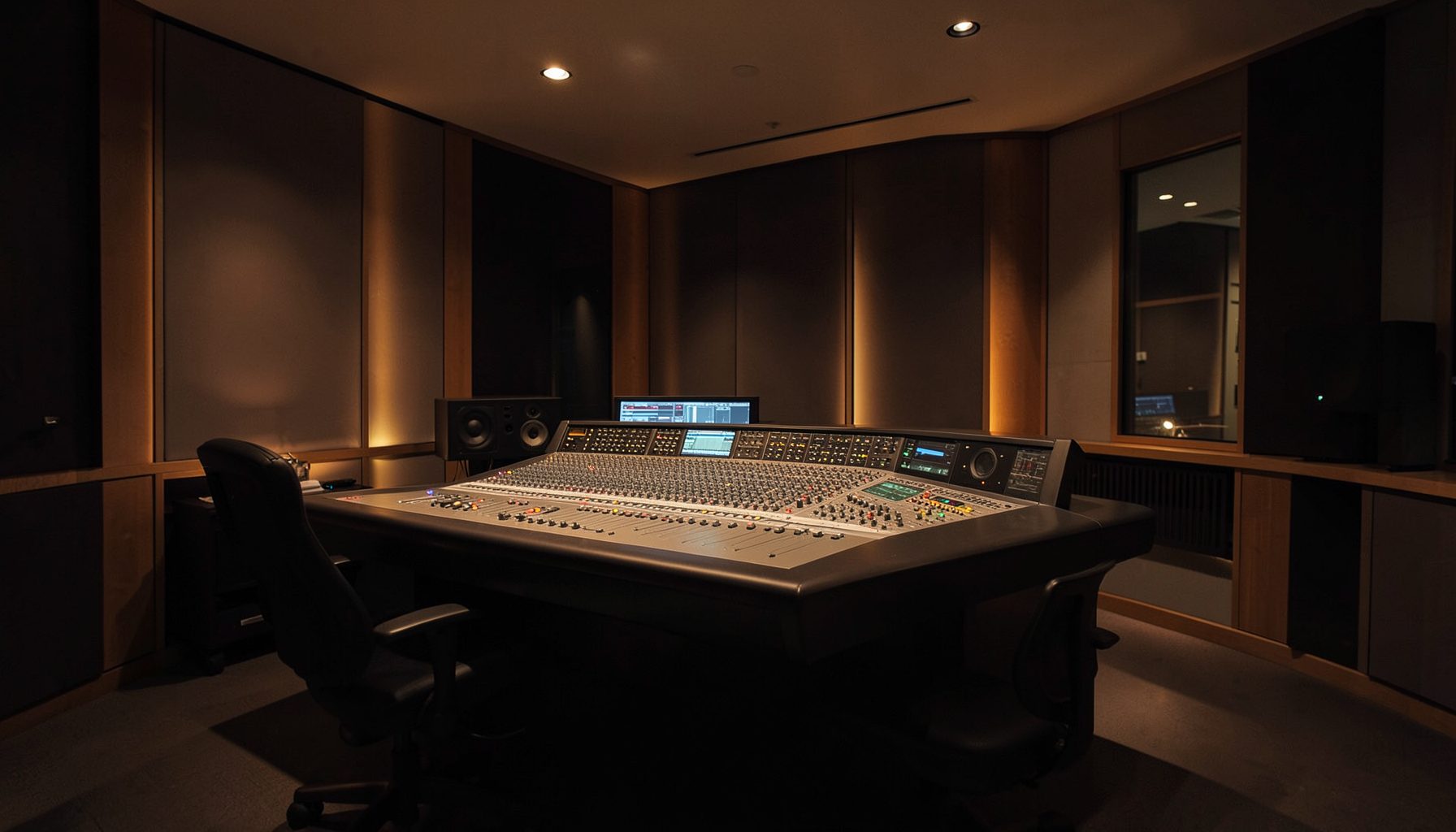
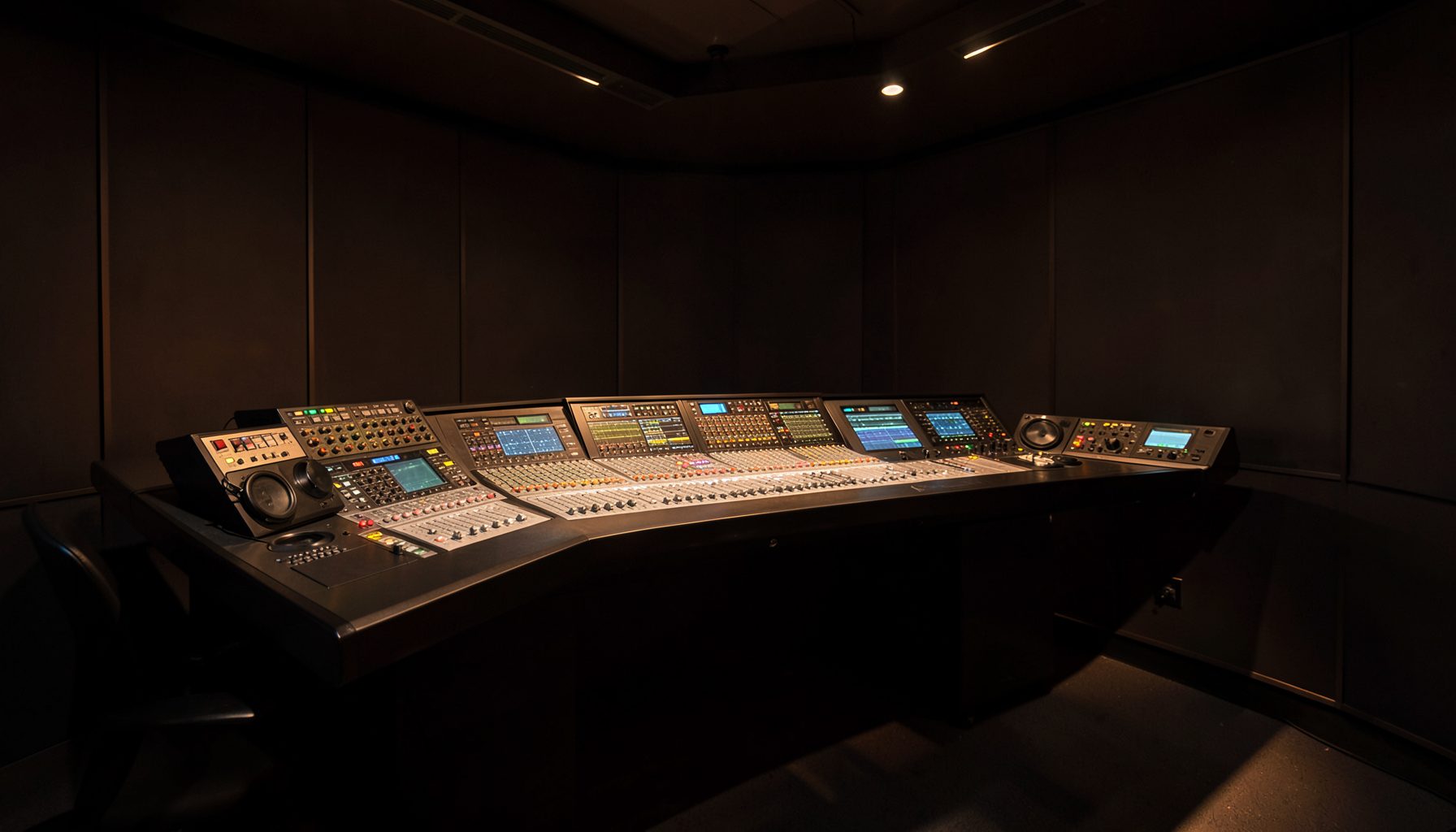
At a Ruby broadcast console, the hybrid can appear as a console source with normal level control, assignment and monitoring. Audio-over-IP handles transport, while the analog I/O stage converts format at the studio edge. Clear names such as TALKBACK 1 and AUX RETURN help operators avoid selecting the caller feed on the wrong bus.
Gain staging and grounding
Telephone-hybrid output is line level, not microphone level, and its nominal level may differ between models. Check the manual for balanced or unbalanced operation and expected levels, then set the Power Core input trim so normal talkback peaks leave useful headroom. Meter during real calls, including a loud caller on a handset speaker, rather than compensating for a low output with excessive gain.
Balanced wiring, shielded cable and correctly terminated patch points reduce noise pickup and ground-loop risk, especially when the hybrid and Power Core sit in separate racks. If the legacy device offers only an unbalanced output, an isolation transformer or differential input may be needed. Do not defeat protective earth as a troubleshooting shortcut; Australian mains work should follow appropriate electrical standards.
Talkback, mix-minus and failover
Presenter talkback and off-air signalling need paths that cannot leak into the programme feed. Depending on the hybrid, this may be a separate analogue connection, a GPIO event or an internal control channel. Keep these functions distinct from caller audio, and confirm what happens when the network route is interrupted or a source unexpectedly becomes active.
Pre-listen monitoring should be level-limited and selected deliberately. If presenters hear callers locally, provide an assured return without feeding the caller’s own voice back through the studio microphone chain. A fail-safe selector can keep a direct analogue route available during an audio-network fault, but it must be tested under programme conditions rather than treated as an unused patch.
Planning for Australian studios
Radio’s role in commuting, live sport and regional traffic information creates demand peaks around breakfast and drive time, while many stations continue unattended overnight. Build the workflow for those rhythms: automation must not overwrite live talkback, and an operator returning to the desk should see whether a caller is on hold, on air or disconnected. Local listening habits favour immediate caller interaction, but they also make accidental feedback especially damaging.
Telecommunications provisioning needs a site-by-site check. An NBN service, SIP trunk, ISDN replacement and legacy analogue line do not present identical ringing patterns, noise or failure modes. Record the service, test-call results and site conditions in commissioning notes. Broadcast operations must continue to satisfy their ACMA licence and technical obligations under the Broadcasting Services Act 1992 and applicable standards.
Call recordings, caller numbers and consent messages add another layer. Where the Privacy Act 1988 applies, handling should align with the station’s privacy policy and documented purpose, while on-air disclosures remain clear. Include these duties in handover documents rather than leaving them to whichever engineer installs the analogue patch.
| Integration approach | Audio path | Best fit | Main watch-out |
|---|---|---|---|
| Direct analogue bridge | Hybrid studio audio ↔ Power Core analog I/O ↔ console network | Incremental upgrades with existing call hardware | Level matching, grounding, mix-minus and failover tests |
| Hybrid with network gateway | Hybrid and SIP or gateway audio ↔ network console | Sites combining legacy calls with managed VoIP | Provisioning dependence, latency and two-system troubleshooting |
| Hybrid retained as standalone | Legacy path used independently, with the network route as primary | Operations prioritising continuity and simple fallback | Operator switching discipline and duplicated monitoring |
A staged studio rollout
Begin with a paper signal map covering the telephone service, every connector, nominal levels, caller and programme directions, talkback, mix-minus and power dependencies. Bench-test the hybrid and Power Core with tones and real calls, then rehearse presenter operation and network failure before switching the programme feed. Keep the previous path available until the new one has completed a normal shift.
The same channel map can support product and configuration clarification through contact Lawo Broadcast. The practical takeaway is to treat the telephone hybrid as a controlled endpoint rather than another mixing desk: retain its proven line interface, pass balanced audio through Power Core, and make talkback, mix-minus and failover part of one tested workflow.