Managing Ruby's redundant power and network systems
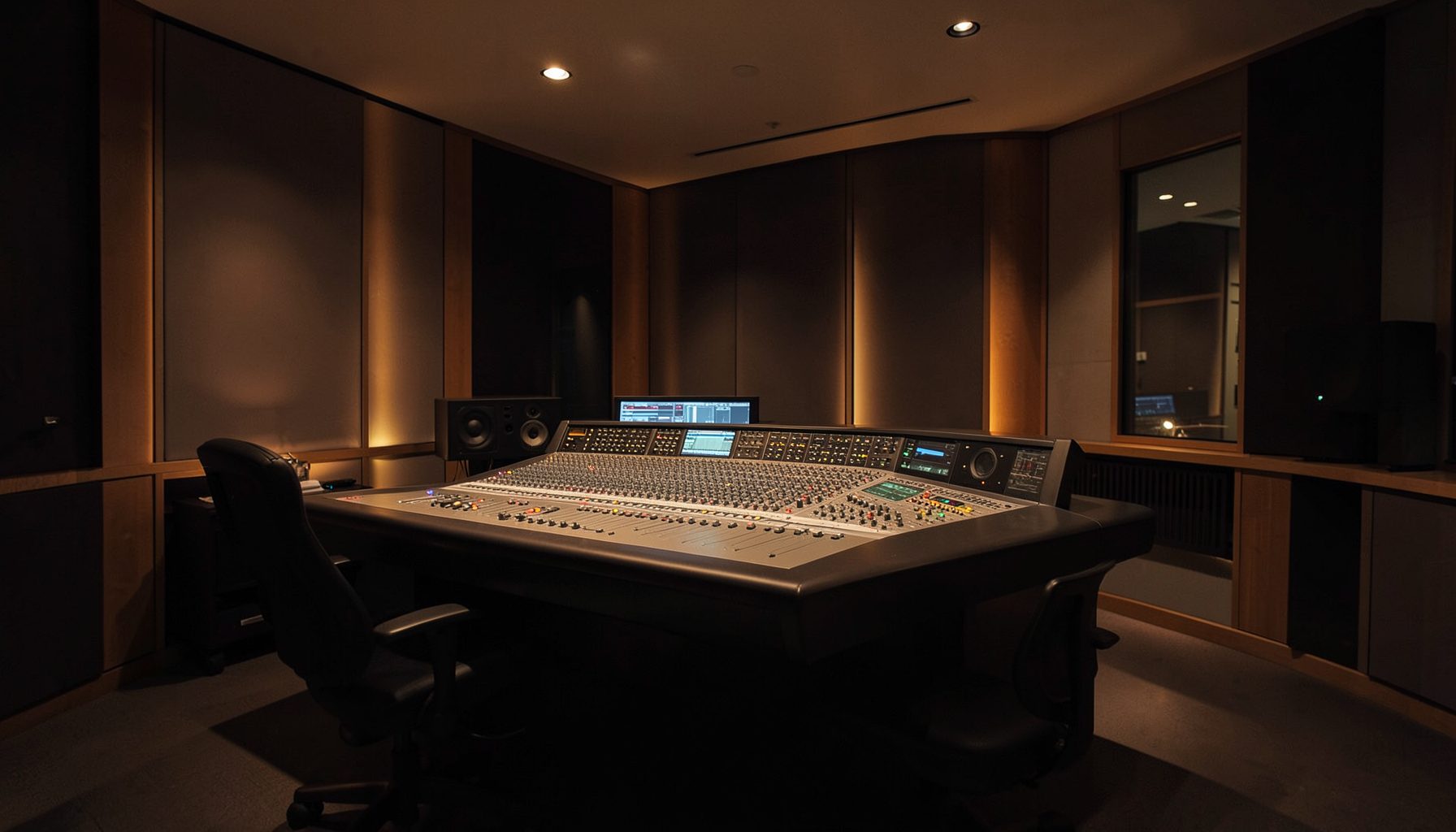
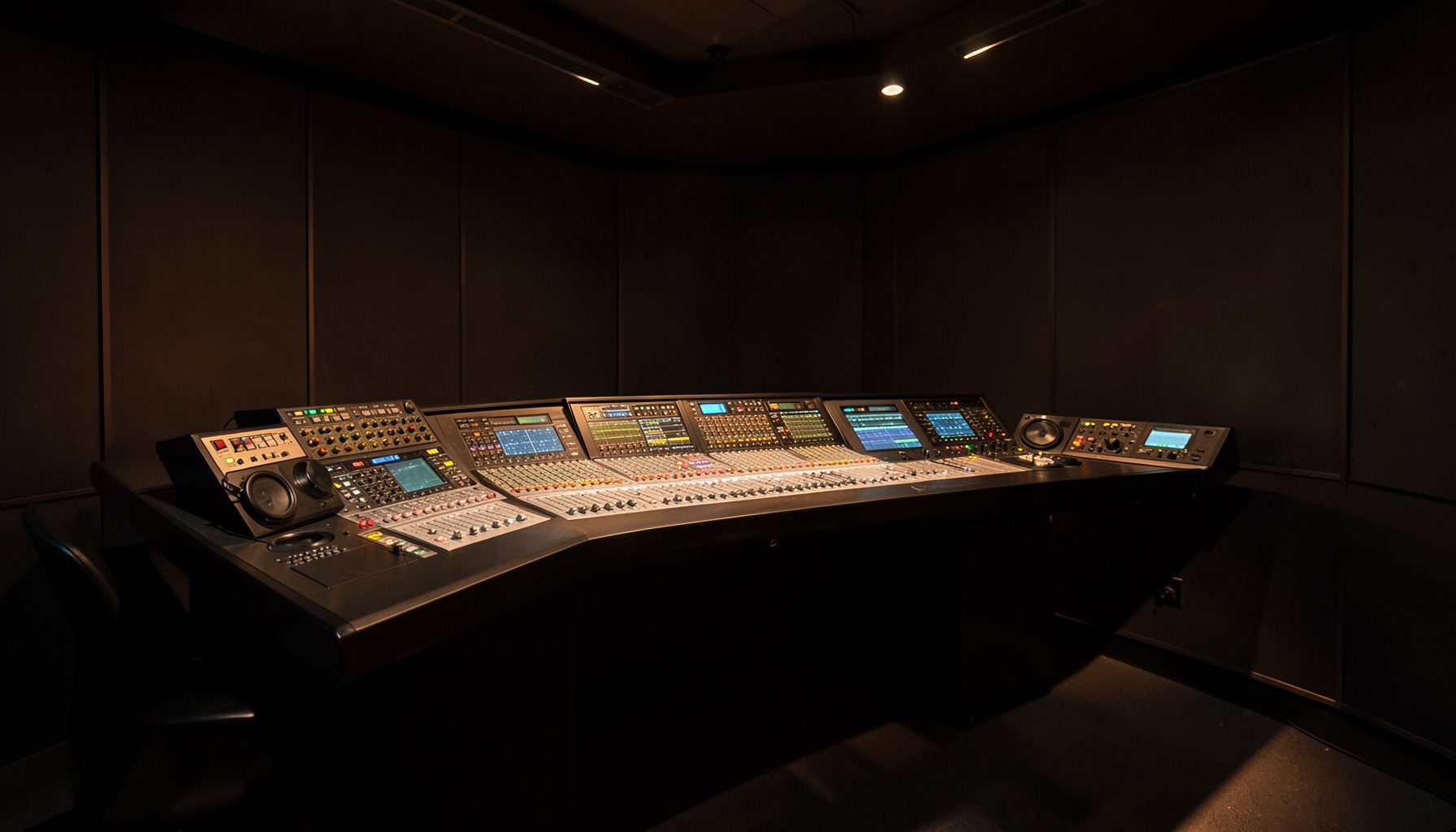
The Lawo Ruby mixing console is a familiar sight in Australian radio, from talkback studios in Sydney to broadcast booths that travel with the AFL. Its long on-air shifts depend on two quiet workhorses: the redundant power supplies and the network connections that link the desk to Power Core, VisTool, and the wider studio fabric. When either is left unmanaged, even a polished on-air team can be cut off mid-sentence.
Australian broadcasters face a particular set of pressures. Studios in Brisbane cope with sticky summer humidity, Pilbara transmitters run on generator-backed power that dips without warning, and the ACMA expects continuity of service during declared events such as the Melbourne Cup or Sydney's New Year's Eve fireworks. Ruby's built-in redundancy is generous; the rest is a matter of routine.
Understanding Ruby's redundant power architecture
Ruby's power subsystem is built around two independent AC inputs feeding a pair of hot-swappable supplies. Each PSU can carry the full load on its own, so a single supply failure will not interrupt audio. Under normal conditions, the two supplies sit in load-sharing mode, which means neither is idle and both wear at similar rates.
Wire each input to a separate mains phase or, better, a separate UPS. In Australian studios this usually means one feed from the main distribution board and the second from a conditioned outlet on a different breaker. In single-phase regional sites, route the second input through an isolated UPS so a tripped breaker does not silence the desk. Label the rear of the console - a small laminated tag noting which feed is which saves a frantic operator twenty minutes during a breakfast-shift failure.
Configuring network failover
The console connects to Power Core and the wider network through two Gigabit ports that support active/standby failover. Where both ports are patched, configure them in switch-assist mode so a managed switch decides which link to use. For larger Australian sites, link aggregation (LACP) combines both ports into a single logical link, doubling bandwidth and providing seamless failover.
Whichever mode is chosen, give each link its own physical route. Running both Ethernet cables through the same cable tray defeats the purpose - a single contractor's drill through a wall in a heritage Sydney building has taken out more redundant networks than anyone cares to count.
Monitoring health through SNMP
Visibility turns a redundant system into a real safety net. Ruby's power and network state can be read through SNMP, and the Power Core engine exposes those variables to higher-level monitoring tools. Set thresholds for PSU voltage, internal temperature, and link state so a fault triggers an alert before it becomes an on-air event.
Most Australian stations pipe those alerts into a single dashboard the chief engineer checks between songs, or into a Slack or Telegram bot for after-hours notification. Do not silence traps on a flaky link; the right response is to fix the cable or replace the SFP, not to mute the warning.
Maintenance and PSU care
Redundant supplies are mechanical devices with fans, capacitors, and solder joints that age. Schedule an inspection every twelve months in metropolitan studios and every six months in dusty or coastal environments such as Perth's coastal fringe or Darwin's dry-season dust. Listen for bearing noise, check intake filters, and confirm both supplies still report healthy telemetry.
Keep at least one matched PSU in the parts cupboard and record the serial and firmware of every installed unit. When replacing a PSU, match firmware revisions first - mismatched firmware has occasionally confused the load-sharing logic in earlier Ruby builds.
Australian site realities
Australia throws specific curveballs at broadcast hardware. Brisbane and Cairns studios see humidity above eighty percent, which is hard on internal airflow. Perth and Adelaide face summer temperatures above forty degrees, while Pilbara sites and remote cattle-station transmitters contend with heat and generator noise on the power line.
In each case, a climate-eye exhaust and surge protection on both PSU inputs help absorb the spikes that come from generator changeovers. Stations running RƎLAY virtual radio tools alongside a physical Ruby can offload some on-air duties to a software workflow during a hardware event, which has proven useful at community stations from Hobart to Warrnambool. ACMA's technical planning rules expect main and standby equipment to be tested under failure conditions at defined intervals - an untested redundant system does not count as standby for compliance. Keep a signed, dated log of every failover test.
Integrating redundancy into the wider workflow
Redundancy does not end at the desk. VisTool and Power Core each maintain their own fault-tolerant paths, and Ruby should be configured to talk to each on a different network segment. In metropolitan sites such as ARN's Sydney headquarters or Grant Broadcasters' Melbourne hub, the underlying network is already resilient. In single-site regional stations, a second VLAN across existing cabling may be needed.
Schedule a quarterly drill where PSU B is deliberately unplugged and the primary network link disconnected, confirming that audio continues without intervention and that alerts fire as expected. The drill takes ten minutes and tends to expose configuration errors that have quietly lurked for months.
For broadcasters who also run gaming or live-event content, the same redundancy discipline applies in casino studios and wagering broadcast booths. A recent live gaming studio reference underlines that any on-camera environment relies on the same uninterruptible power and network foundations.
| Subsystem | Recommended mode | Australian caveat |
|---|---|---|
| Power supplies | Load sharing, separate mains feeds | Use isolated UPS on second feed in single-phase regional sites |
| Network ports | Active/standby failover, separate paths | Avoid running both cables through the same conduit |
| SNMP alerts | Dashboard plus on-call routing | Never silence a flapping-link trap; fix the fault |
| Maintenance | 12 months metropolitan, 6 months coastal | Log serials, firmware, and failover tests for ACMA |
The four pillars that keep an Australian station on air are straightforward: two independent PSU feeds, two physically separate network paths, a working SNMP alert, and a quarterly drill. Ruby's redundancy is only as good as the cables, mains feeds, and habits behind it, and that is what protects the desk during a cyclone in Townsville, a generator swap in the Pilbara, or a tired capacitor in a Perth studio on a forty-degree afternoon.