How Ruby’s declutter mode sharpens focus during critical broadcasts
Live radio production demands fast decisions, accurate level control, and constant awareness of what is happening next. An engineer may be balancing presenters, remote contributors, music, imaging, telephone callers, and automation while monitoring the output for problems that cannot wait.
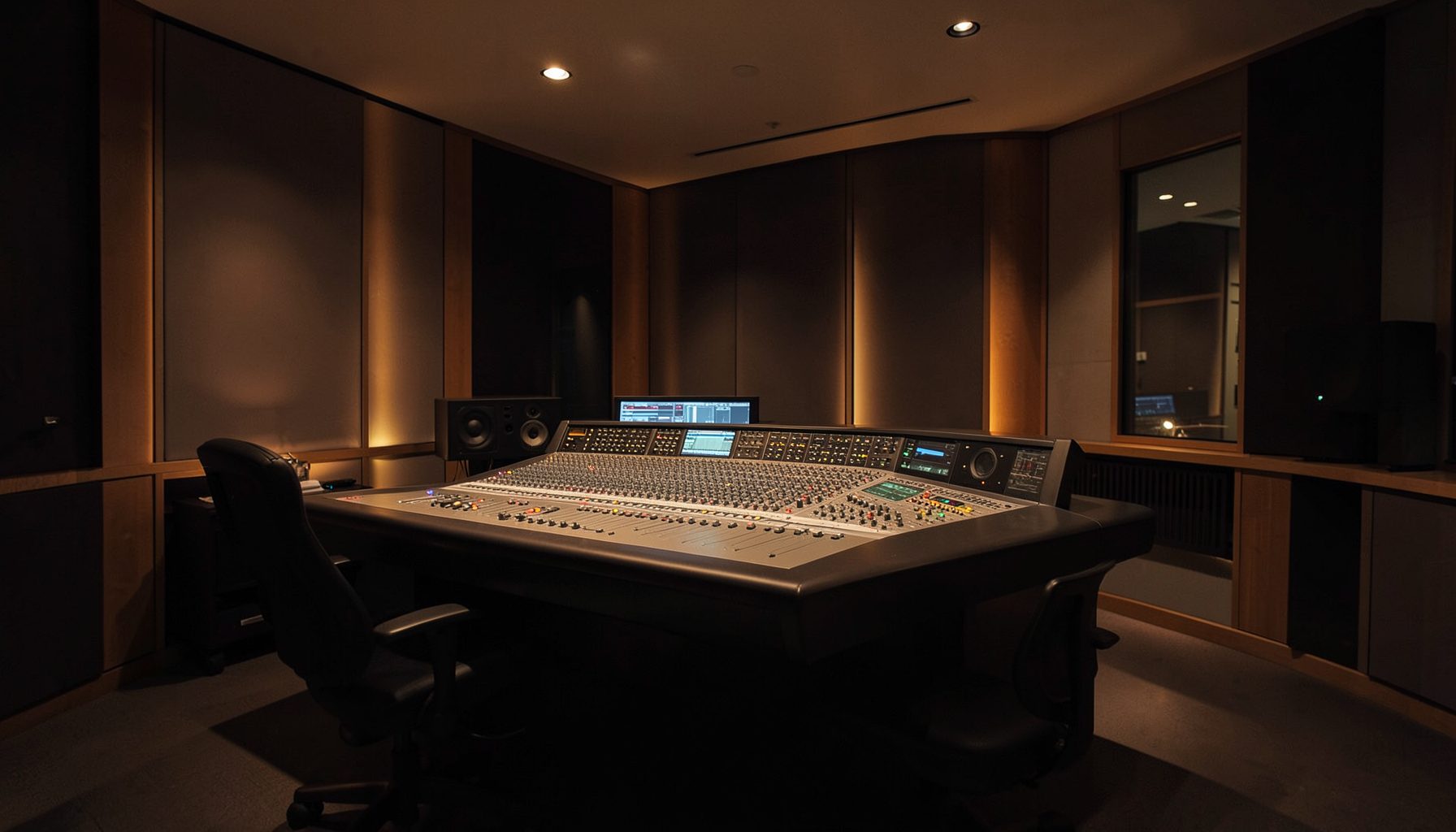
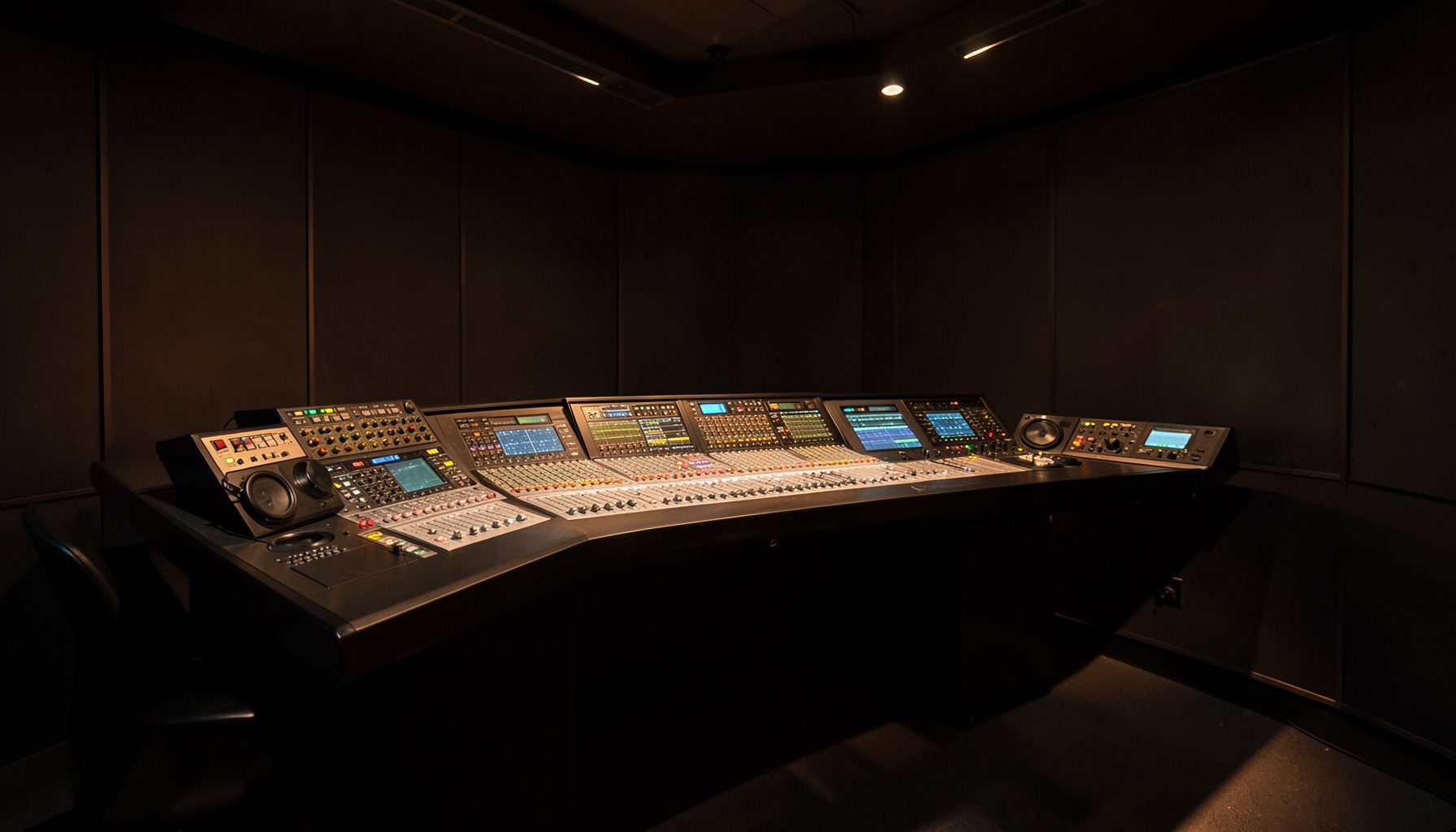
In that environment, a crowded control surface can become a distraction. Every visible control competes for attention, even when it has no role in the current segment. Ruby’s Declutter Mode addresses this problem by helping operators keep the most relevant controls in view during demanding broadcast moments.
The result is a cleaner working environment that supports concentration without removing the depth required for complex production. It is a practical example of how Lawo’s software-defined approach can make a physical console feel more responsive to the needs of a specific show.
Reducing visual noise at the console
A conventional mixing surface often presents a fixed collection of faders, buttons, meters, and labels. That consistency can be useful, but it may also force the operator to scan past controls that are inactive or irrelevant. During a live handover or breaking-news update, unnecessary visual information increases the time needed to locate a source or make a correction.
Declutter Mode gives engineers a way to simplify the active view. By emphasizing the channels and functions required for the current task, Ruby helps reduce visual search. The operator can focus on essential sources instead of mentally filtering the entire surface.
This is especially useful in radio studios where the same console may support breakfast programming, news bulletins, sports coverage, and production work. Each format can demand a different balance of sources and controls, making a flexible display more valuable than a one-size-fits-all layout.
Keeping critical controls easy to find
The value of decluttering is clearest when several actions must happen in quick succession. A presenter may be speaking over a music bed while a remote guest joins the show and an editor prepares the next item. The engineer needs immediate access to the relevant faders, monitoring functions, and routing controls.
A simplified view can make those relationships easier to understand. Instead of navigating a dense collection of options, the operator can identify the channels that matter and act with fewer visual interruptions. This supports faster fades, cleaner source changes, and more confident monitoring.
Declutter Mode does not change the demands of the broadcast. It changes how those demands are presented to the person managing them. That distinction matters: the console remains powerful, while the operator gains a more focused interface for high-pressure work.
Supporting reliable decisions under pressure
Broadcast concentration is affected by small sources of friction. A misplaced glance, an unclear label, or a long search for a control can interrupt the engineer’s awareness of the program output. Simplifying the control environment helps preserve attention for audio quality, timing, and communication with the wider production team.
Ruby’s approach is well suited to workflows where several people may use the same studio. One engineer might prefer a broad overview during preparation, while another may need a tightly focused view during transmission. Decluttering allows the surface to be adapted to the moment rather than forcing every operator into the same visual arrangement.
| Broadcast situation | Useful focus | Practical benefit |
|---|---|---|
| Presenter-led live show | Presenter microphones and program sources | Faster level adjustments |
| Breaking-news update | News contributors, codecs, and monitor paths | Fewer distractions during rapid changes |
| Music-led segment | Playback, voice-over, and output controls | Cleaner transitions |
| Remote interview | Guest return, mix-minus, and talkback | Easier communication management |
| Pre-recorded production | Edit and monitoring sources | More efficient setup and checking |
Connecting focus with networked workflows
A modern radio console must manage more than local microphone inputs. Audio may arrive from studios, codecs, automation systems, remote contributors, and other network devices. Ruby’s role becomes more powerful when it operates as part of a wider Lawo environment, where routing and processing can be distributed across connected resources.
That model helps separate the physical control surface from the location of the audio processing. Power Core, for example, provides networked audio I/O and processing resources that can support flexible studio configurations. Ruby can then serve as a focused operational interface while the broader system handles complex signal paths behind the scenes.
Software-based contribution tools can extend the same idea beyond the studio. For laptop-based broadcasting and remote production, engineers can also use RƎLAY virtual sound card workflows to bring low-latency audio into a professional broadcast environment. Keeping those sources organized is easier when the console view remains clear.
Building a focused operating routine
Declutter Mode works best when it is treated as part of show preparation rather than as an emergency feature. Before going live, engineers can identify the sources most likely to require intervention and arrange their working view around those priorities. This makes the interface reflect the running order and technical plan.
The practice also helps reduce mistakes during repetitive tasks. When a show has predictable segments, a consistent focused layout can reinforce muscle memory while preserving access to the wider system when unusual events occur.
- Define the channels that need attention during each major segment.
- Keep presenter, guest, playback, and output paths clearly identifiable.
- Use a broader view during setup, then narrow the display before transmission.
- Rehearse unexpected source changes so the operator knows how to regain a full overview.
- Align console views with the studio’s communication and escalation procedures.
Making operator awareness part of system design
Good broadcast engineering is about more than signal integrity. It also involves designing a working environment that helps people maintain awareness for long periods. A console that presents the right information at the right time can reduce cognitive load without limiting creative or technical control.
Ruby’s Declutter Mode fits this principle by giving engineers a more adaptable relationship with the surface. It supports the reality that radio production changes from minute to minute, and that the most useful interface during a quiet setup may be different from the one needed during a live interruption.
For broadcasters building connected studios, this kind of flexibility complements broader control, routing, and automation strategies. It allows technology to recede when the show is stable and provide clarity when every second matters.
Explore Ruby’s workflow capabilities and consider how a focused console view could support your own studio routines. When critical broadcasts depend on fast, accurate action, reducing visual clutter can give engineers more attention for the decisions that keep the program on air.