How Broadcast 3.0 supports ATSC 3.0 and next-gen radio standards
Broadcast standards are moving toward IP-based, software-defined delivery. ATSC 3.0 is a prominent example in television, while DAB+, DRM, HD Radio, and hybrid streaming platforms continue to shape radio’s next phase. These systems share a need for flexible production, reliable transport, metadata management, and efficient control.
Lawo’s Broadcast 3.0 approach addresses that operational foundation. Instead of treating the studio, contribution network, playout system, and distribution chain as isolated units, it connects them through standardized IP workflows, centralized control, virtualization, and interoperable media processing.
This does not mean a mixing console or audio node performs every ATSC 3.0 function directly. Rather, it provides the adaptable infrastructure that broadcasters need to create, manage, monitor, and distribute content across evolving transmission standards.
From baseband infrastructure to IP workflows
ATSC 3.0 uses an IP-centric architecture that can carry multiple services, adaptive streams, targeted content, emergency information, and rich metadata. A production environment supporting this model must move audio and control data efficiently between studios, master control, remote sites, and distribution platforms.
Broadcast 3.0 aligns with this requirement by using networked audio and software-defined resources. Lawo Power Core audio nodes can provide processing, routing, and I/O within an IP environment, reducing dependence on fixed point-to-point wiring. This makes it easier to expand a facility, share resources, or create a resilient backup path.
The same principle applies to radio. A station may produce a terrestrial program, a DAB+ service, a web stream, podcasts, and social clips from a common content operation. Networked infrastructure helps maintain consistency while allowing each outlet to apply its own loudness, metadata, timing, or advertising requirements.
Managing audio across multiple delivery paths
Next-generation transmission systems place greater emphasis on audio quality and service flexibility. A broadcaster may need stereo, multichannel, immersive, commentary, language, or accessibility feeds, depending on the platform and audience. These services require accurate routing and repeatable processing before they reach an encoder or distribution gateway.
Power Core can act as a central audio engine for mixing, conversion, routing, and processing. Its role is especially useful when facilities need to connect traditional interfaces with AES67 or other audio-over-IP environments. Centralized processing also supports consistent loudness control and monitoring across terrestrial and streaming outputs.
Virtual tools extend that flexibility. RƎLAY can support software-based radio production and remote contribution, allowing journalists, presenters, and producers to work outside a conventional studio. In a next-generation environment, that can help stations deliver live content to several platforms without rebuilding the workflow for every standard.
Control rooms built for changing standards
A standards transition often affects the operator as much as the engineering department. Presenters need clear access to sources, mix-minus feeds, talkback, codec returns, and automation controls. Engineers need visibility into routing, redundancy, synchronization, and service status.
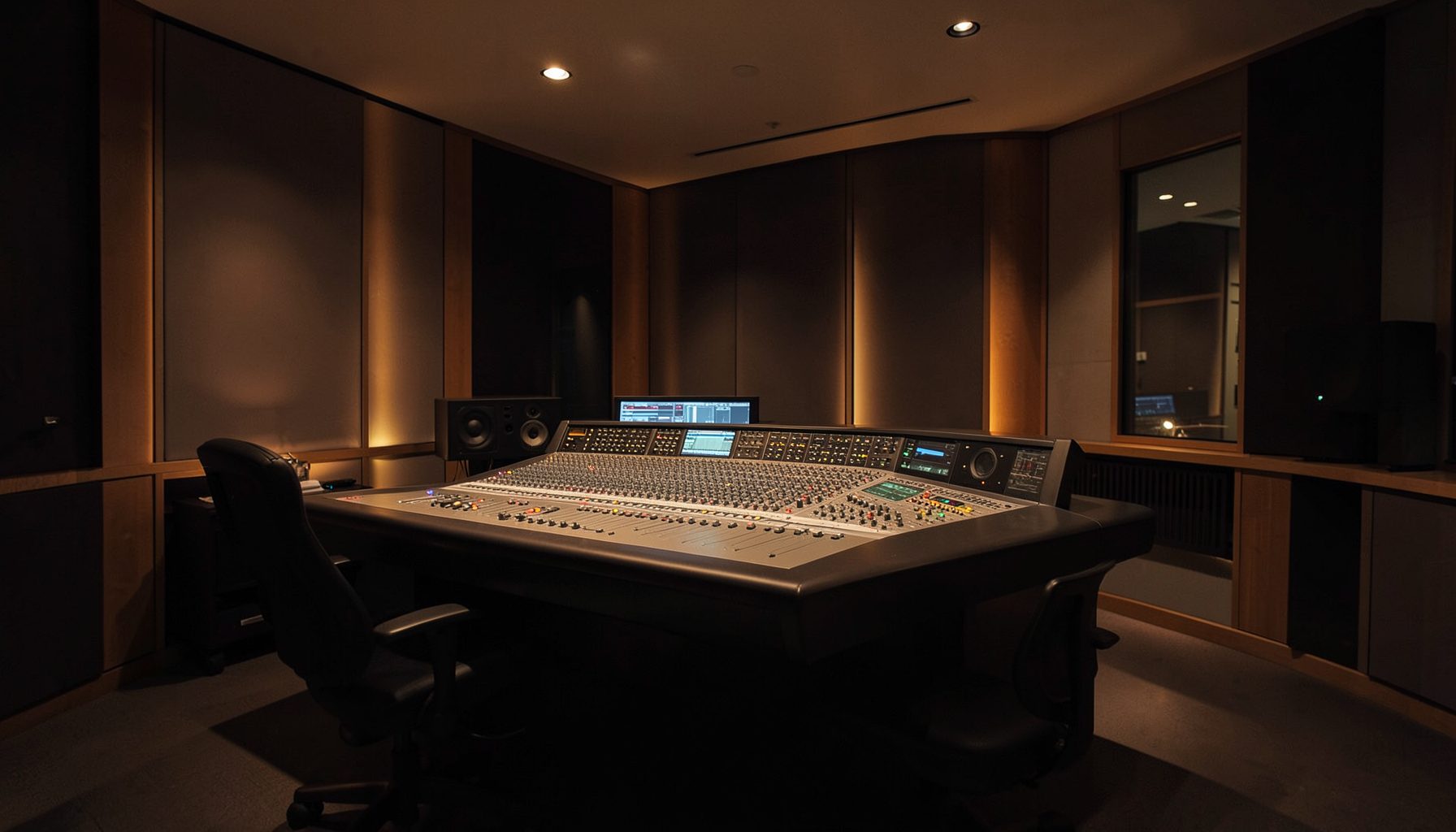
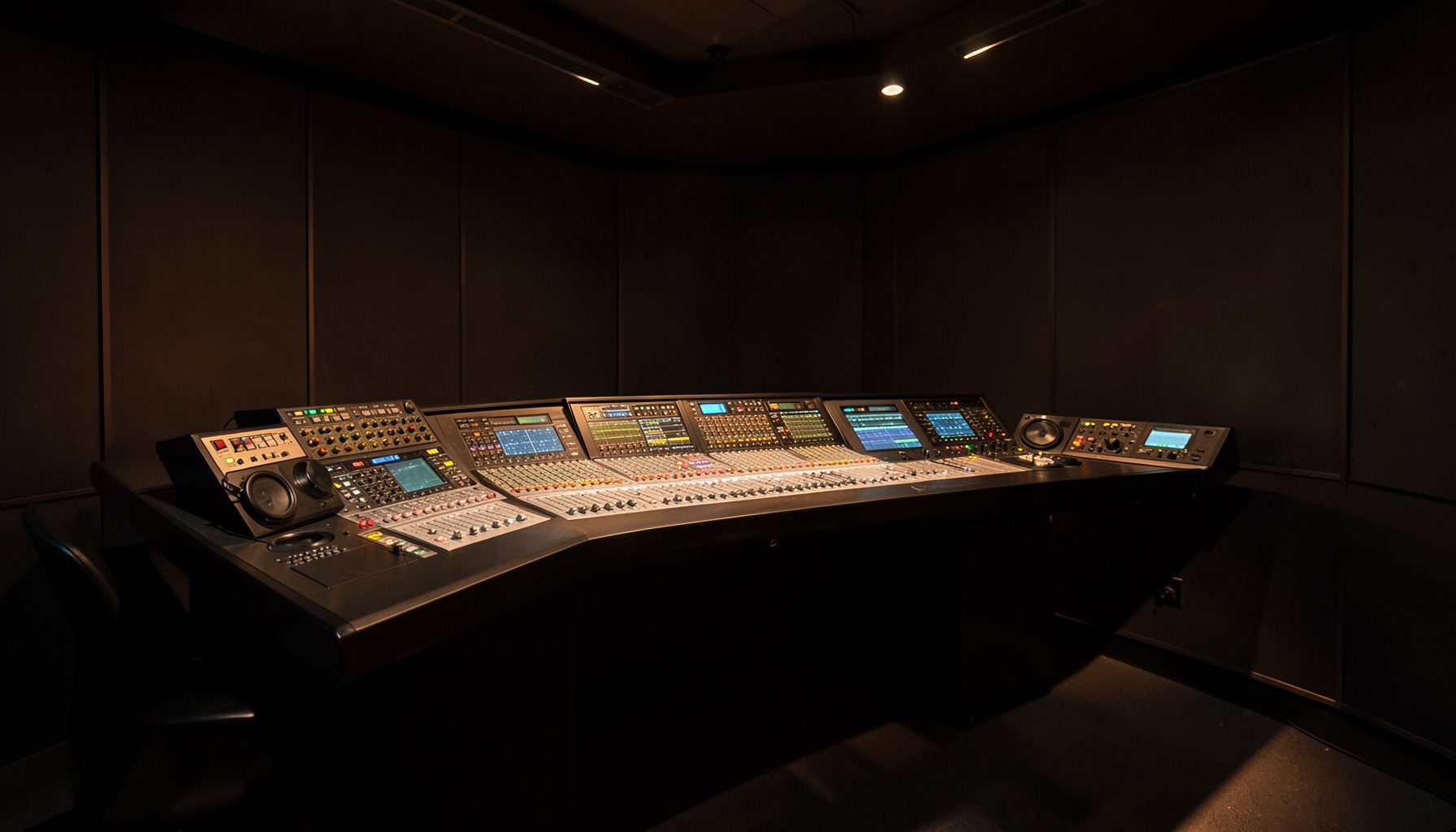
Ruby mixing consoles provide a user-facing control layer for these tasks while connecting to a wider Lawo IP ecosystem. Operators can work with familiar physical controls even when the underlying signal path is distributed across networked devices and software services. Careful customization matters, and these Ruby surface layouts can help align the console with each presenter’s responsibilities.
This separation between control and processing is valuable for ATSC 3.0-related operations. The technical chain may evolve as codecs, service gateways, and distribution policies change, while the presenter’s core interaction remains stable. That reduces retraining and helps protect production quality during migration.
| Broadcast requirement | Broadcast 3.0 capability | Practical value for next-generation services |
|---|---|---|
| IP-based signal exchange | Networked audio, routing, and control | Connects studios, playout, contribution, and distribution |
| Multiple service versions | Centralized processing and flexible paths | Supports terrestrial, streaming, language, and accessibility feeds |
| Remote production | Software-based tools and virtualized workflows | Enables distributed teams and outside broadcasts |
| Operational consistency | Unified control and monitoring | Reduces errors across changing delivery standards |
| Scalable infrastructure | Modular nodes and software resources | Adds services without rebuilding the entire plant |
Metadata, automation, and service personalization
ATSC 3.0 introduces a richer service model in which program information, content signaling, and emergency communication are important parts of the broadcast experience. Radio platforms are following a similar direction through enhanced metadata, visual radio, targeted information, and companion applications.
A Broadcast 3.0 workflow can connect production decisions with automation and distribution systems. VisTool, for example, provides a software interface for controlling and visualizing broadcast functions. This can give operators a clear view of sources, routes, device states, and presets without requiring every task to be handled from a central engineering panel.
AutoMix can also support consistent speech and music balance in appropriate production contexts. When content is repurposed for several outlets, predictable levels and repeatable transitions reduce the amount of corrective work required before encoding, streaming, or archiving.
Resilience across terrestrial and digital delivery
A next-generation broadcast chain must remain dependable even when individual devices, links, or services fail. IP networks provide powerful flexibility, but they also require deliberate design for redundancy, timing, monitoring, and access control. A service may be available through terrestrial transmission, broadband delivery, or both, making continuity planning increasingly important.
Distributed processing can help isolate failures and preserve essential operations. A station might maintain alternate routes between studios and transmission, keep a backup control surface available, or move selected functions to software during maintenance. Centralized visibility makes it easier to identify whether a problem originates in production, contribution, encoding, or distribution.
This architecture also supports gradual modernization. Broadcasters do not have to replace every component at once. They can introduce audio-over-IP, virtualized production, or centralized control in stages while retaining suitable legacy equipment through gateways and conversion points.
Preparing teams for interoperable operations
Technology alone does not deliver a successful standards transition. Engineers, producers, and presenters need workflows that are understandable, documented, and easy to operate under pressure. Network awareness becomes part of daily broadcast practice, while traditional audio skills remain essential.
Training should cover signal flow, clocking, failover, access permissions, preset management, and the relationship between studio outputs and transmission services. Operators should also understand which tasks belong to the production layer and which belong to the ATSC 3.0 or radio-standard distribution chain.
A practical modernization program can focus on these priorities:
- Map every audio, control, metadata, and monitoring path before migration.
- Use modular IP nodes and software tools where future expansion is likely.
- Design separate but coordinated workflows for terrestrial, streaming, and archive outputs.
- Build redundancy into network paths, processing resources, and operational control.
- Test presenter-facing layouts and automation presets with real users.
Broadcast 3.0 provides a foundation for standards-aware broadcasting without locking a facility to one delivery format. By combining networked audio, virtual production, flexible control, and scalable processing, Lawo technologies can help broadcasters prepare for ATSC 3.0 environments and the wider evolution of digital radio. Explore the Lawo ecosystem to plan an interoperable workflow that is ready for today’s services and tomorrow’s distribution demands.