How AutoMix And Ruby Create An Autonomous Radio Studio
An autonomous radio studio does not mean a station runs without people. It means routine audio decisions can be handled reliably, allowing presenters and producers to concentrate on editorial judgement, interviews, music selection and live interaction. Lawo’s AutoMix and Ruby mixing console approach this model by combining intelligent microphone management with a familiar, networked broadcast surface.
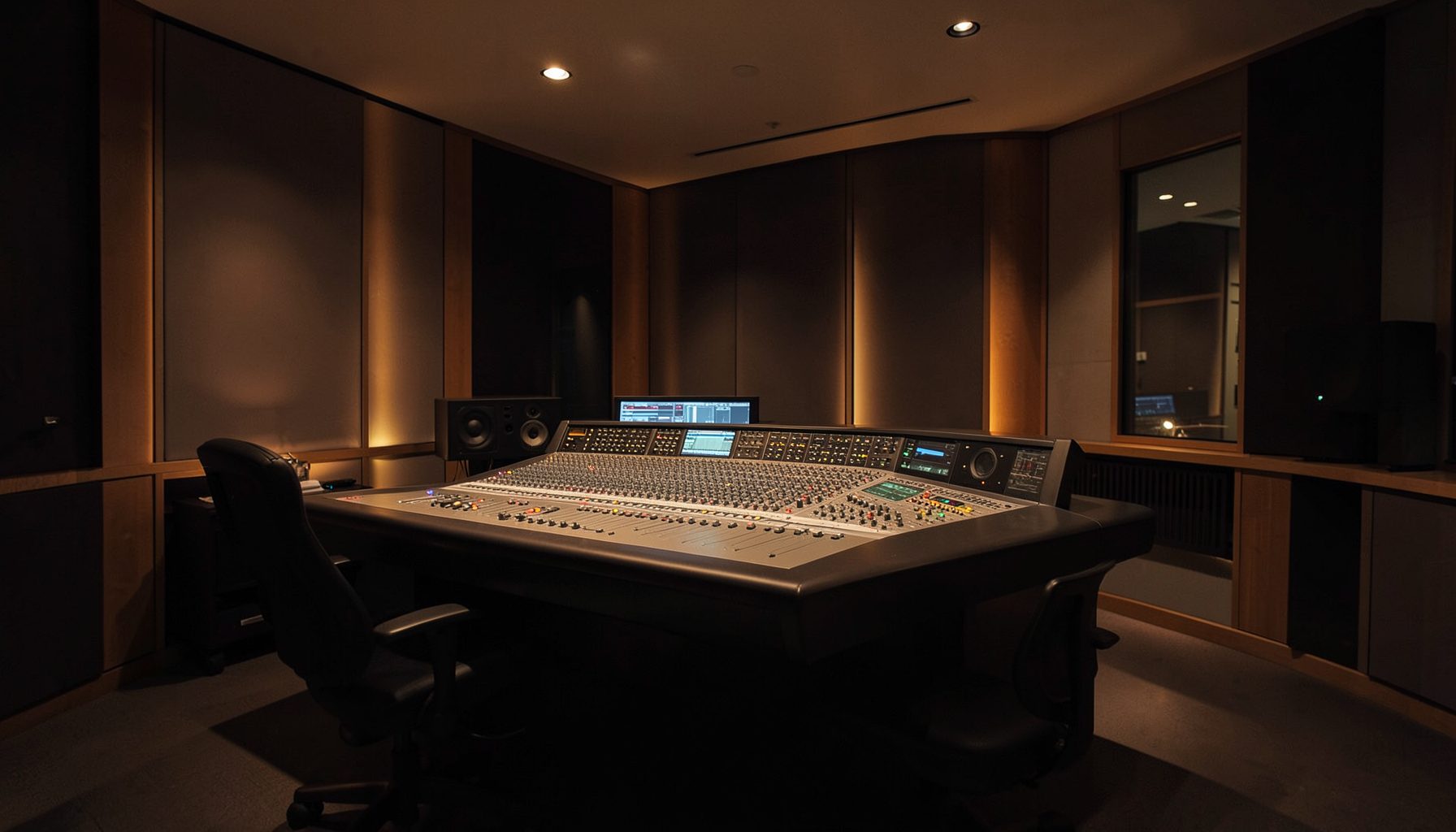
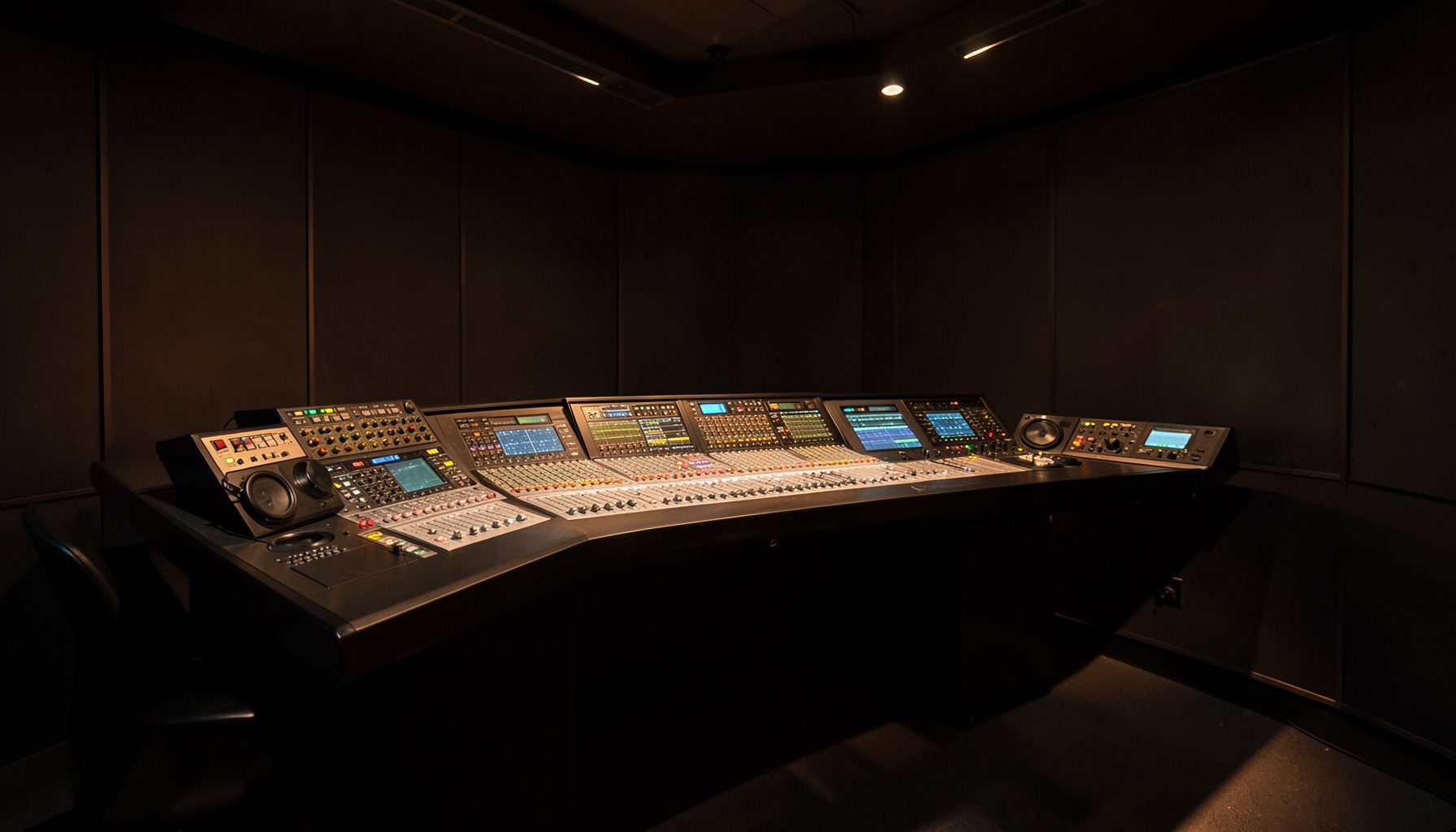
Ruby provides the operational centre: source selection, routing, monitoring, fader control and programme output. AutoMix manages the balance between open microphones, helping speech remain clear when several presenters or guests are talking. Together, they create a flexible workflow for breakfast radio, talk formats, outside broadcasts and smaller facilities that need consistent results across every shift.
The Core Of A Networked Studio
Ruby is designed for software-defined, networked production. Instead of tying every signal to a fixed hardware path, a station can manage microphones, playout systems, codecs, telephone feeds and processing within a centralised audio environment. That approach makes it easier to share resources between studios or move a programme to another room when a main studio is unavailable.
AutoMix works within this signal flow by analysing the assigned microphone inputs and adjusting their relative levels. It can reduce unnecessary background noise and prevent several open microphones from building up an indistinct, reverberant sound. The presenter still operates the console, but the system carries out repetitive gain-balancing tasks in the background.
The wider Power Core ecosystem gives stations further flexibility. Its processing model can support radio production, live performance and post-production, which is useful for broadcasters with multipurpose facilities. Lawo explains these possibilities through its overview of standalone DSP applications, showing how networked processing can extend beyond a conventional on-air desk.
How AutoMix Handles Voices
In a panel discussion, a conventional mix often requires the operator to ride multiple faders continuously. A guest may speak quietly, a presenter may interrupt, and another microphone may remain open while nobody is using it. AutoMix responds to the energy and activity of the inputs, applying controlled attenuation so the dominant speaker remains intelligible without abrupt manual moves.
This is especially valuable for talkback-heavy formats, sports coverage and phone-led programmes. A producer can keep several microphones ready for fast exchanges while AutoMix helps maintain a stable programme level. The result is less dependence on perfect fader technique, particularly during busy segments when the operator is also managing callers, clips and timing cues.
The technology is best treated as an assistant rather than an editorial decision-maker. A presenter may still need to mute a microphone, change a guest’s gain, or isolate a source for a recording. AutoMix handles the mechanical part of the task, while the Ruby operator retains authority over routing, levels and what reaches air.
Ruby Keeps Operators In Control
A console needs to feel immediate during live broadcasting. Ruby gives operators a visual and tactile way to control sources, monitor buses and manage the programme mix, while its networked architecture allows control surfaces and processing resources to be located where they are most useful. This can support a main studio, a producer position and a remote contribution point without duplicating every audio device.
For radio teams moving towards virtualised production, Lawo’s RƎLAY virtual tools can complement a Ruby-based workflow. Software-based contribution and production tools are useful when a station needs to bring in reporters, presenters or guests without relying on a fully equipped physical studio. The combination supports a gradual transition rather than forcing a complete replacement of existing operations.
Ruby also suits stations that need different layouts for different programmes. A breakfast show can prioritise presenter microphones, music and studio guests, while a sports programme can expose commentator positions, remote feeds and mix-minus paths. These changes can be managed through configuration and control logic, reducing the need for extensive repatching between shifts.
Designed For Australian Stations
Australian radio has varied operating conditions. A metropolitan breakfast programme in Sydney or Melbourne may involve several presenters, producers, traffic updates and frequent commercial breaks, all within a tightly timed schedule. AutoMix can reduce the amount of manual microphone riding required while the operator handles callers, news inserts and network cues.
Regional broadcasters face a different mix of demands. A station serving communities around Newcastle, Townsville or regional Western Australia may need one person to cover several production responsibilities. Consistent automatic microphone management can help maintain a polished sound when staffing is lean, without removing local personality from the programme.
Time zones also matter. A networked facility can support content moving between Perth, Adelaide, Brisbane and the eastern capitals, while centralised processing and control reduce the need to duplicate specialist equipment at every site. During Australian Rules football, cricket or NRL coverage, the same infrastructure can support studio presentation, remote commentary and contributor feeds.
Local advertising and community programming add another consideration. Stations often switch quickly between live conversation, pre-recorded spots, sponsor reads and emergency announcements. A Ruby workflow with defined scenes, source permissions and AutoMix groups can make those transitions repeatable, while operators remain able to intervene when a live situation requires it.
A Practical Daily Workflow
A typical autonomous studio begins with a prepared Ruby configuration. Presenter and guest microphones are assigned to an AutoMix group, music and playback sources are routed to the programme bus, and separate buses are created for recording, monitoring and remote guests. Mix-minus feeds can be prepared for telephone or codec contributors so each participant receives the correct return audio.
During the programme, the operator opens the required microphones and lets AutoMix manage the changing speech balance. Ruby remains the place for manual decisions: setting a clean feed for a caller, sending a guest to a recorder, checking off-air monitoring or taking a remote source live. This division of labour keeps the workflow responsive without making it dependent on constant fader movement.
| Studio task | AutoMix contribution | Ruby operator responsibility |
|---|---|---|
| Multiple presenters | Balances active speech microphones | Opens, mutes and groups sources |
| Panel discussion | Reduces unused microphone build-up | Controls guests, routing and programme timing |
| Remote interview | Helps maintain a stable voice mix | Manages codec feeds and mix-minus |
| Music and speech transitions | Keeps voice levels consistent | Selects sources and controls bus output |
| Recording or replay | Provides an even dialogue mix | Sends signals to the required destination |
The practical takeaway is straightforward: configure AutoMix for repetitive voice balancing, use Ruby for editorial and routing decisions, and build repeatable scenes for each programme type. That combination gives Australian stations a dependable, scalable studio that can sound controlled during a fast breakfast shift, a regional talkback show or a live sports broadcast.