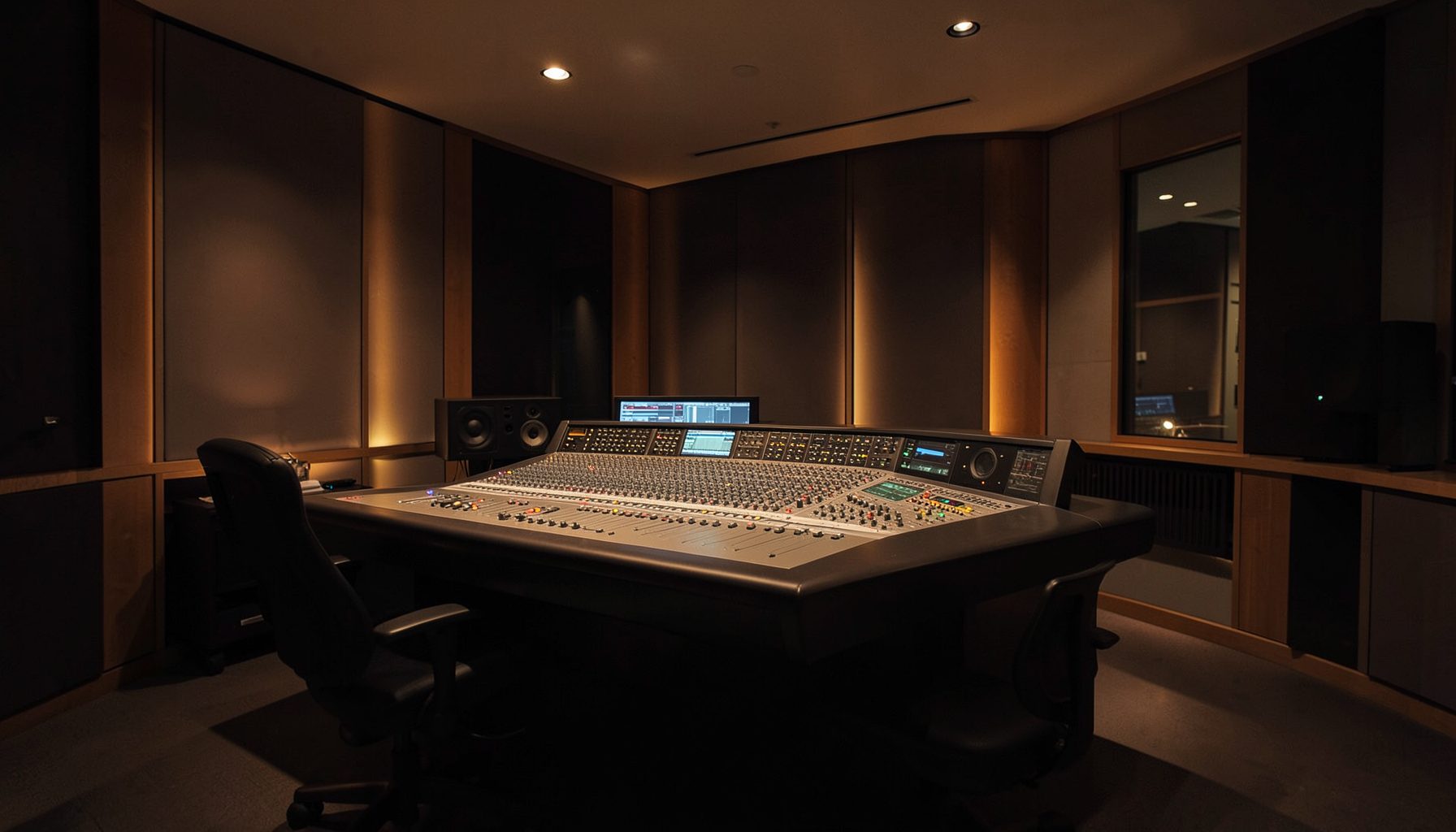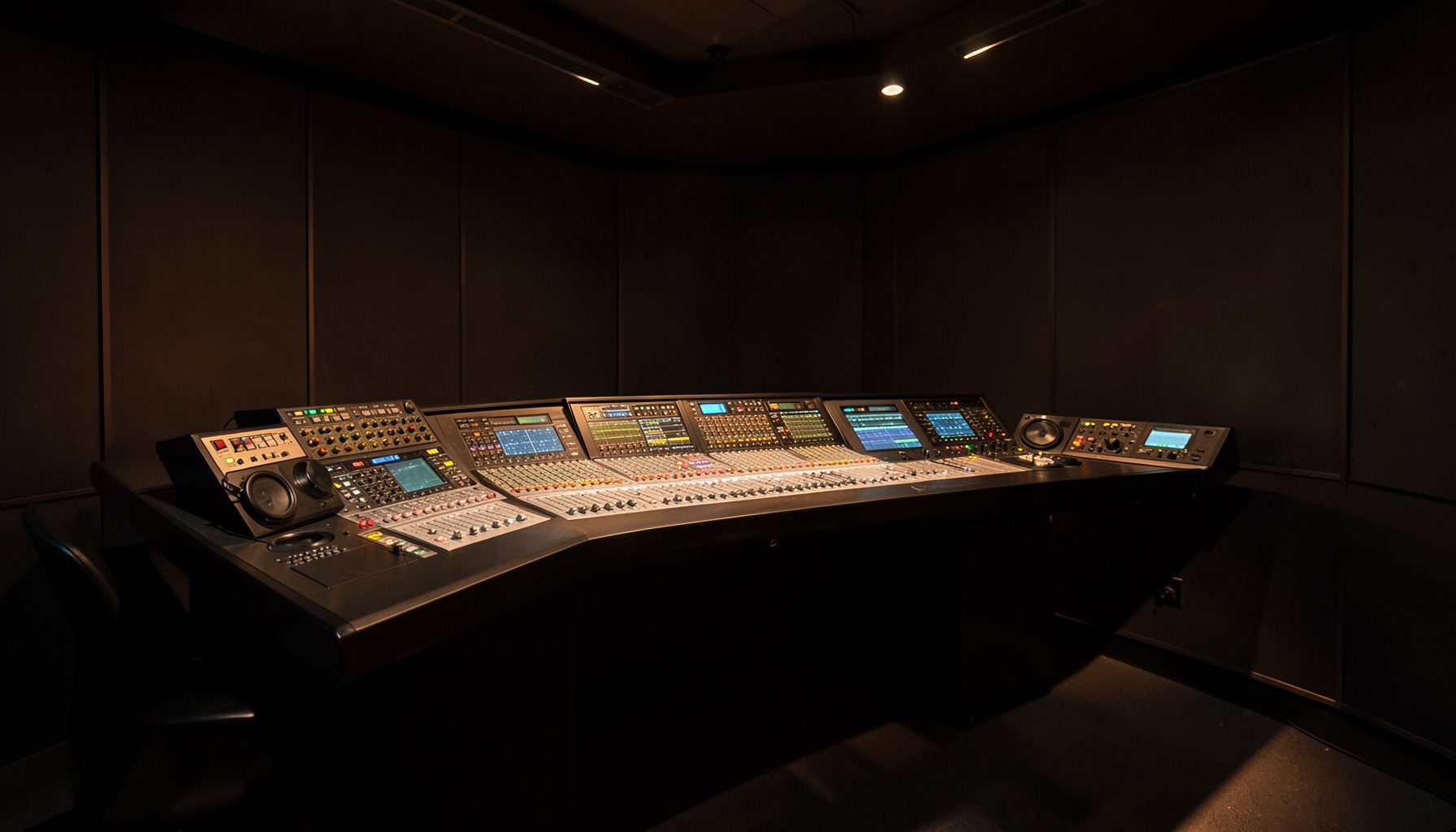
Managing Radio Consoles Remotely with Ruby Commander
Radio production increasingly depends on distributed teams, shared studios, and fast access to technical resources. A console that can be operated only from one physical room can become a bottleneck when presenters, producers, and engineers work across locations.
Ruby Commander addresses this need by providing a software-based route to remote console management for Lawo Ruby systems. It brings important mixing and configuration tasks to a computer interface, helping operators supervise a studio without being permanently positioned beside the hardware.
For broadcasters evaluating an IP-based workflow, the software fits into a wider ecosystem of networked audio, control, and production tools. The Lawo broadcast platform provides the broader context for understanding how Ruby consoles can connect with Power Core, VisTool, and other components.
What Ruby Commander brings to the studio
Ruby Commander is designed to extend access to a Ruby mixing console beyond its physical control surface. Depending on the system configuration and user permissions, an operator can use the software to manage audio sources, monitor console status, and handle routine production changes from a workstation.
This is particularly useful in radio environments where a single studio may support live programs, voice tracking, interviews, and playout supervision. Remote access can reduce movement between rooms and give technical staff a practical way to assist a presenter or producer without interrupting the broadcast.
Remote control for distributed workflows
A remote console application becomes valuable when production responsibilities are spread across several rooms. An engineer may be in a technical area, a producer may be in an edit suite, and the presenter may be working in the main studio. Ruby Commander can help coordinate these roles through the same networked console environment.
The approach also supports operational continuity. If a studio surface requires attention, an authorized user may be able to review or adjust the relevant setup from another workstation. That does not replace sensible studio procedures, but it can shorten response times and make shared facilities easier to manage.
How it fits with Lawo’s software ecosystem
Ruby Commander should be viewed as part of a larger IP-based production architecture rather than as an isolated remote desktop utility. Ruby consoles, Power Core audio nodes, and Lawo control software can work together to distribute audio processing and control across a network.
VisTool is relevant where operators need customizable graphical interfaces for broader system control. Ruby Commander, by comparison, focuses on the management of the Ruby console itself. The distinction helps broadcasters choose an interface according to the task: console operation for the presenter or producer, and wider infrastructure control for engineering and technical supervision.
| Workflow need | Ruby Commander | Physical Ruby surface | Broader control software |
|---|---|---|---|
| Operate a console away from the studio | Strong fit | Limited by location | Depends on configuration |
| Provide hands-on fader control | Software-based | Direct tactile control | Usually task-specific |
| Support routine remote assistance | Strong fit | Requires staff at the console | Possible through system views |
| Manage wider networked resources | Limited to configured console functions | Limited to console access | Better suited |
| Maintain a familiar studio workflow | Closely aligned with Ruby operation | Native experience | May require customization |
Practical benefits for radio teams
One of the clearest benefits is flexibility. A radio station can create workflows in which the presenter retains control of the live mix while a producer handles selected changes remotely. This division can be useful for news, sports, outside broadcasts, and specialist programming with limited technical staffing.
Remote management can also support smaller control rooms. When space or budgets make a second full console impractical, a workstation running the appropriate control software may provide access to essential console functions. The exact capabilities depend on licensing, network design, and the Ruby system’s configuration, so planning should begin with the station’s operational requirements.
Keeping access reliable and secure
Remote console control depends on a stable network. Audio transport and control traffic should be designed with clear routing, suitable redundancy, and predictable performance. Engineers should also distinguish between the network used for normal studio operation and any connection used for off-site access.
Security deserves equal attention. User permissions, firewall policies, authentication, software updates, and VPN practices should be defined before remote operation is enabled. A useful implementation gives each role the access it needs while preventing accidental changes to critical system settings.
Testing should include common failure scenarios: a disconnected workstation, a lost network path, an unauthorized login attempt, or a sudden change during a live program. Clear fallback procedures ensure that remote convenience does not compromise on-air resilience.
Where it can support production beyond radio
Although Ruby is closely associated with radio, remote console management can also benefit post-production, live performance, and theatrical applications. A technical operator may need to supervise a mix from a control position that differs from the room where the audio is being used.
The same networked principles support more adaptable facilities. Studios can share resources, make better use of specialist staff, and reduce the need to duplicate hardware in every room. For organizations building a Broadcast 3.0 workflow, this software-oriented control model complements virtualized tools such as RƎLAY and centralized processing through Power Core.
Planning a successful deployment
A focused deployment begins with a map of users and tasks. Identify who needs remote access, which console functions they require, and when those functions may be used. This prevents the system from becoming overcomplicated and makes permission design more straightforward.
Useful implementation priorities include:
- Define operator, producer, and engineering access levels before configuration.
- Test Ruby Commander on the intended network and workstation environment.
- Document local fallback procedures for live and automated programming.
- Train users on source selection, monitoring, presets, and safe change control.
- Review security, software versions, and remote-access policies regularly.
Ruby Commander offers a practical way to connect physical Ruby console workflows with the flexibility of software control. Explore the Ruby ecosystem and related Lawo solutions to determine how remote operation can improve your studio’s daily production, engineering support, and long-term network strategy.