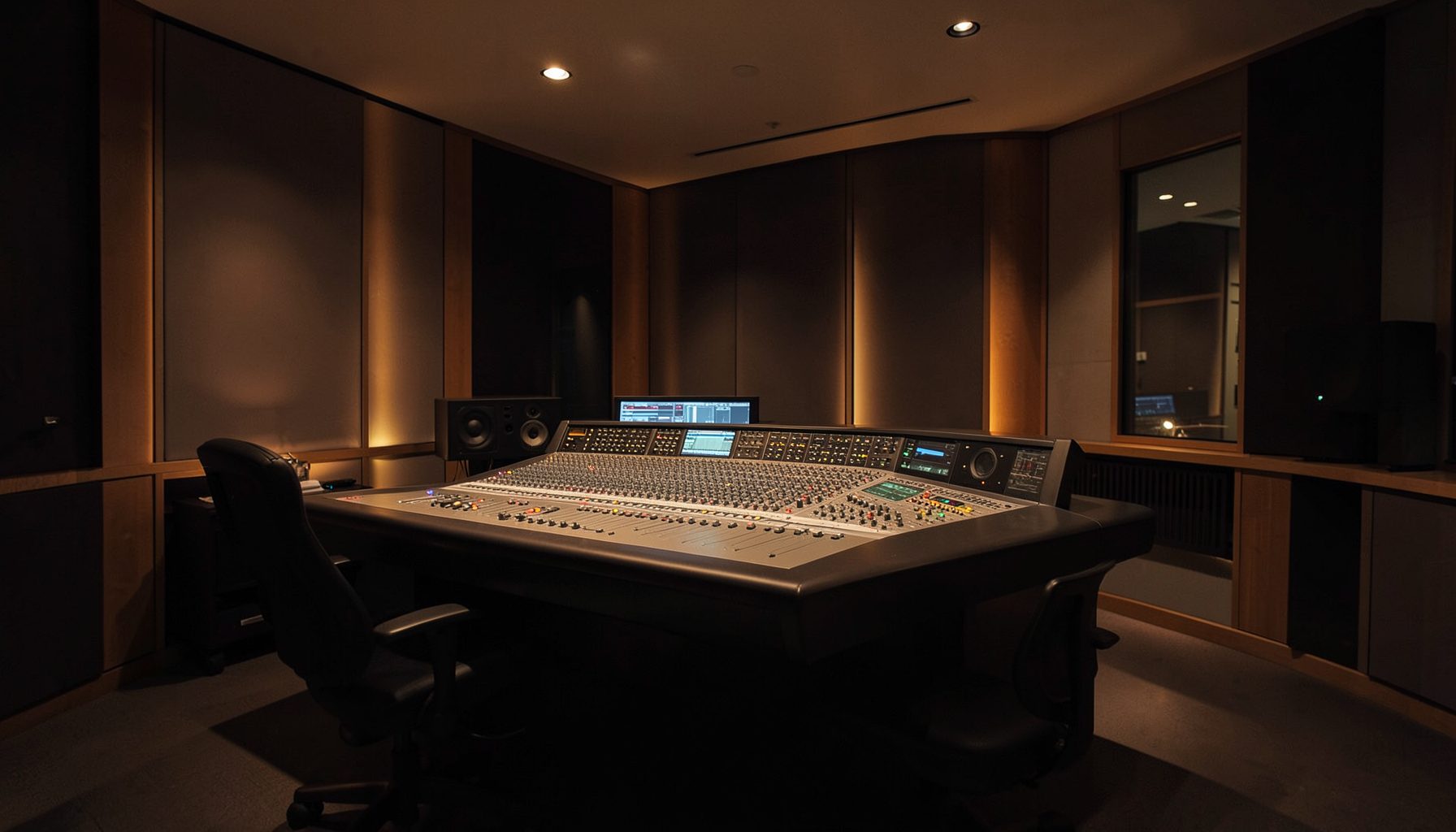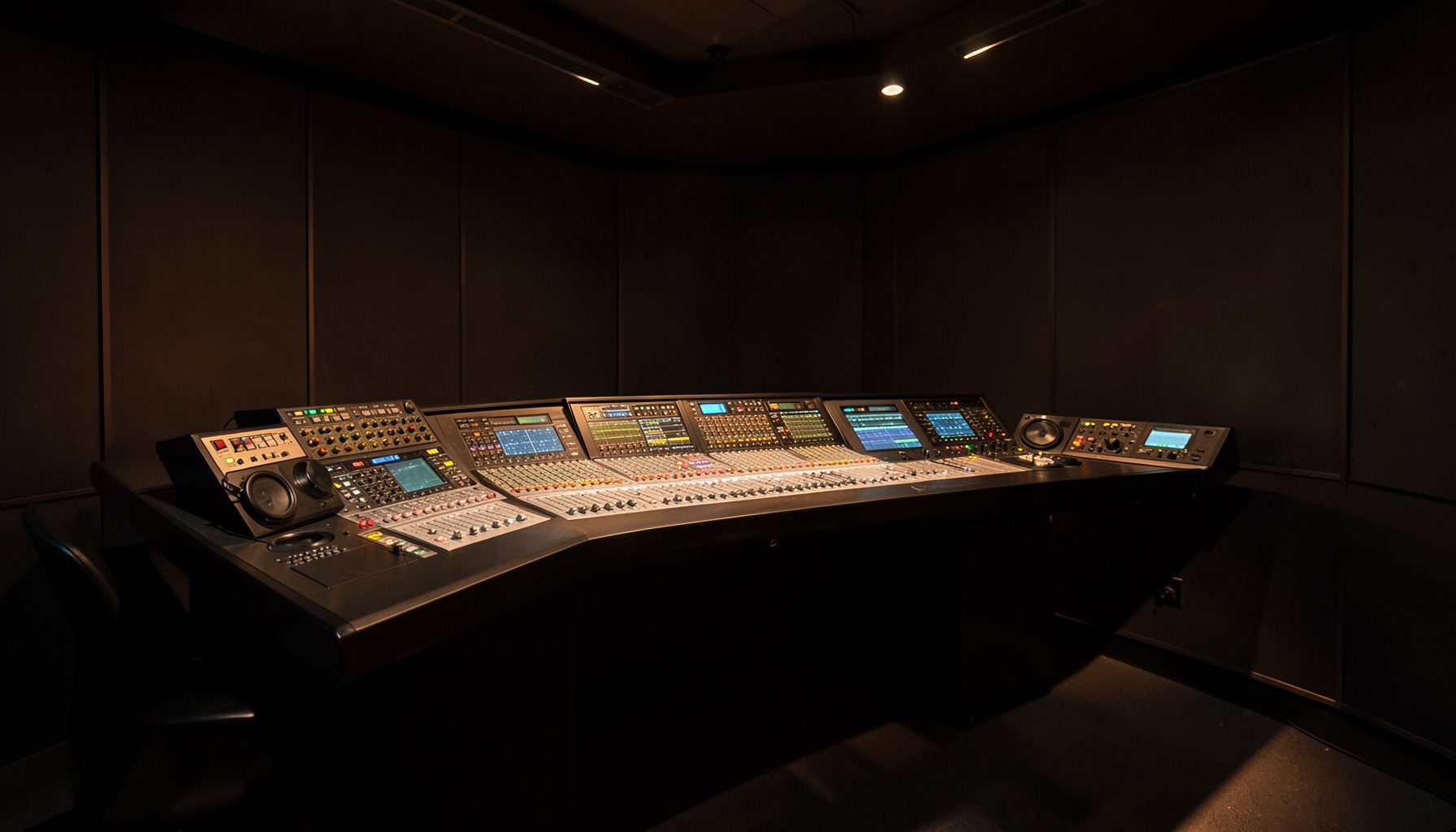
Designing a Ruby console surface layout for morning show efficiency
Morning radio rewards speed, clarity and predictable muscle memory. Presenters may move from traffic updates to callers, sponsor reads, weather and breaking local news within minutes, while a producer watches timings and a technical operator manages sources across several studios.
A well-designed Ruby surface reduces that mental load. The aim is not to expose every available function, but to place the controls used during the breakfast shift where the team expects to find them. A consistent layout can make a Sydney commute bulletin, a Melbourne school-run segment or a Perth talkback handover feel equally manageable.
| Surface approach | Main strength | Potential drawback | Suitable use |
|---|---|---|---|
| Conventional channel strips | Familiar operation and fast fader access | Less room for specialised controls | Presenter-led studios |
| Role-based layout | Groups controls by task and workflow | Requires thoughtful preparation | Busy breakfast shows |
| Compact central cluster | Keeps essential actions close together | Can become crowded | Small studios and self-op |
| Multi-page configuration | Supports many sources and functions | Page changes can slow reactions | Larger network operations |
Start with the show’s real operating rhythm
Begin by mapping the first hour of the programme minute by minute. List which microphones, codecs, playout outputs, phone callers, remote guests and production sources are used during each segment. This often reveals that a handful of channels carry most of the workload, while specialist inputs can remain on a secondary page.
For Australian stations, the breakfast clock is shaped by practical local demands: school drop-offs, traffic reports, live crosses and tightly timed news bulletins. A Brisbane presenter may need quick access to weather and road information, while a Sydney team may require several reporter codecs during peak congestion. Build the surface around those actual transitions rather than around the order in which equipment was installed.
Place high-frequency controls within one glance
The primary Ruby layer should contain the sources operators touch repeatedly: presenter microphones, co-host microphones, playout, news feeds, phone hybrids, studio guests and the main mix-minus paths. Keep the fader order stable across shifts so relief operators do not need to relearn the desk at 5 am.
Put talkback, cough, monitor selection and presenter cue controls close to their associated channels. If a host must reach across the surface to mute a microphone or open a guest feed, the layout is adding friction. Colour can reinforce function, but it should support clear labelling rather than replace it, particularly in dim control rooms or during an unexpected live cross.
Separate presenter actions from technical actions
A morning show often works best when the presenter-facing controls are obvious and restrained. The host needs to open a microphone, fire a cart, take a caller or hear a cue without navigating engineering settings. Technical controls such as routing, processing and diagnostic functions can sit on dedicated pages or remain available through the wider networked system.
This separation is especially useful when a station uses a self-operated studio for parts of the shift and a staffed control room for others. Ruby can be configured so each role sees a practical working surface while the underlying audio infrastructure remains consistent. The Ruby console platform supports this kind of adaptable, software-oriented workflow across different studio arrangements.
Build pages around situations, not equipment racks
A useful second page might be called “Remote”, containing codec returns, guest mix-minus, talkback, record feeds and backup communication paths. Another could support “Outside Broadcast”, with mobile reporters, wireless sources and alternate programme outputs. These task-based pages are easier to understand than pages named after rack numbers or engineering abbreviations.
Use VisTool where a graphical control layer can simplify routing and status information. A producer could have a clear overview of caller lines, studio sources and programme state without needing to inspect every physical control. For software-based radio operations, RƎLAY tools can also complement the console by supporting virtualised contribution and presentation workflows.
Protect the presenter from avoidable mistakes
Every frequently used action should have a clear default state. Mute logic, channel labels, fader starts and monitor behaviour need to remain predictable after a restart or a handover. Avoid placing destructive or rarely used commands beside large, frequently pressed buttons. A mistaken reset during a live interview can be more disruptive than a slightly slower workflow.
AutoMix may help manage several open microphones during group discussion, but it should be treated as part of the show design rather than a substitute for good surface organisation. Define which microphones are controlled automatically, which remain manually operated and how the presenter can see the active state. On a panel programme with guests in Adelaide or Canberra, that visibility can prevent confusion when speakers overlap.
Test the layout under breakfast pressure
A layout that feels logical during a quiet afternoon can fail when the studio is full, the next bulletin is approaching and a caller is waiting. Rehearse common sequences: opening the show, taking a newsreader, switching to a remote guest, handling a late commercial break and recovering from a dropped contribution. Watch for unnecessary page changes and controls that require visual hunting.
Power Core can provide the networked audio engine behind these workflows, allowing processing, routing and I/O to be organised independently from the physical surface. That flexibility is valuable for Australian networks spanning different cities and time zones, where a standardised configuration can be adapted to local studios without making every Ruby surface identical.
Finish by observing one complete breakfast shift and recording every moment an operator searches, reaches across the desk or changes pages unexpectedly; then revise the Ruby layout and test that exact sequence again on the next shift.