Designing multi-seat suites with separate Ruby user profiles
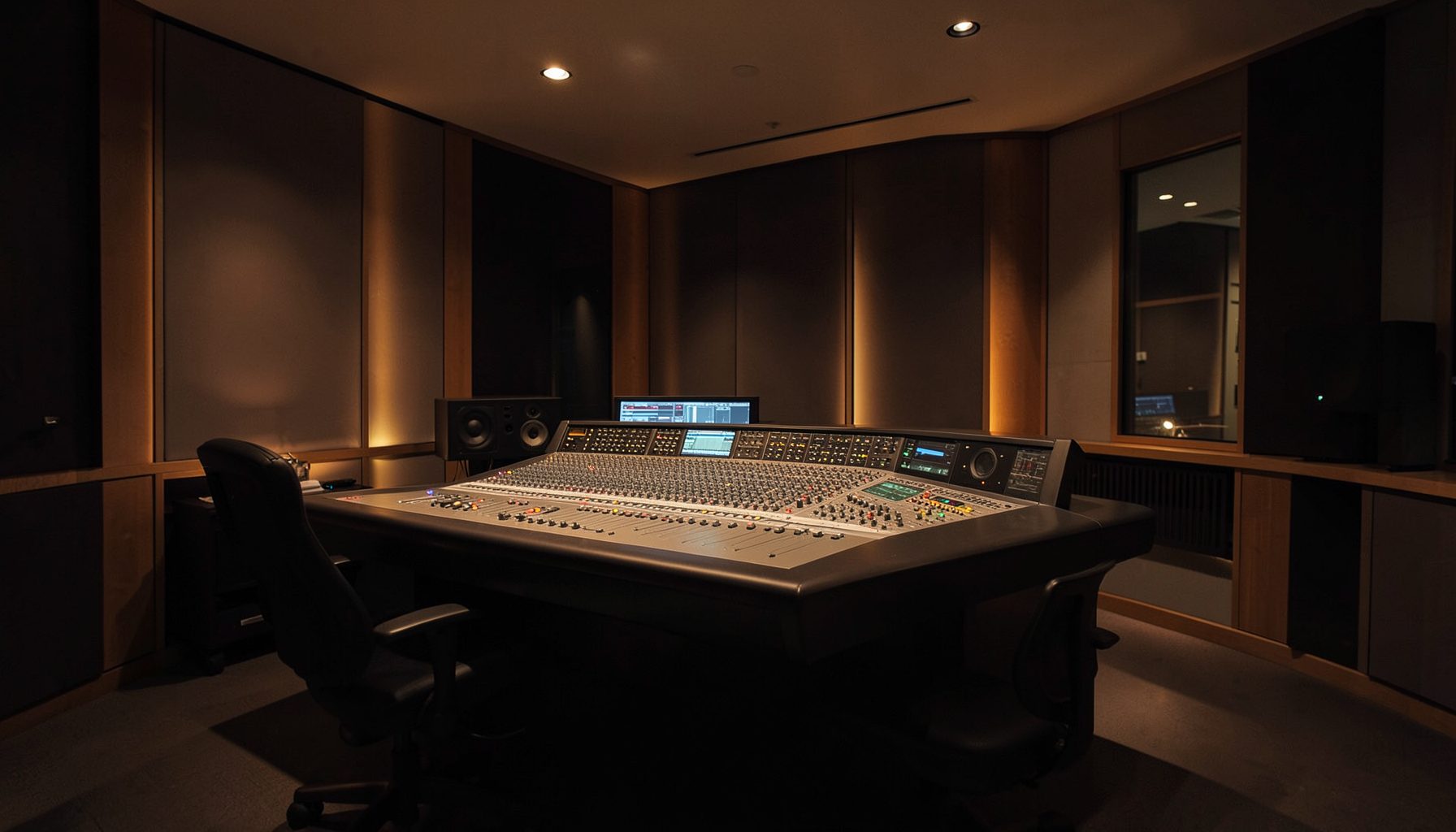
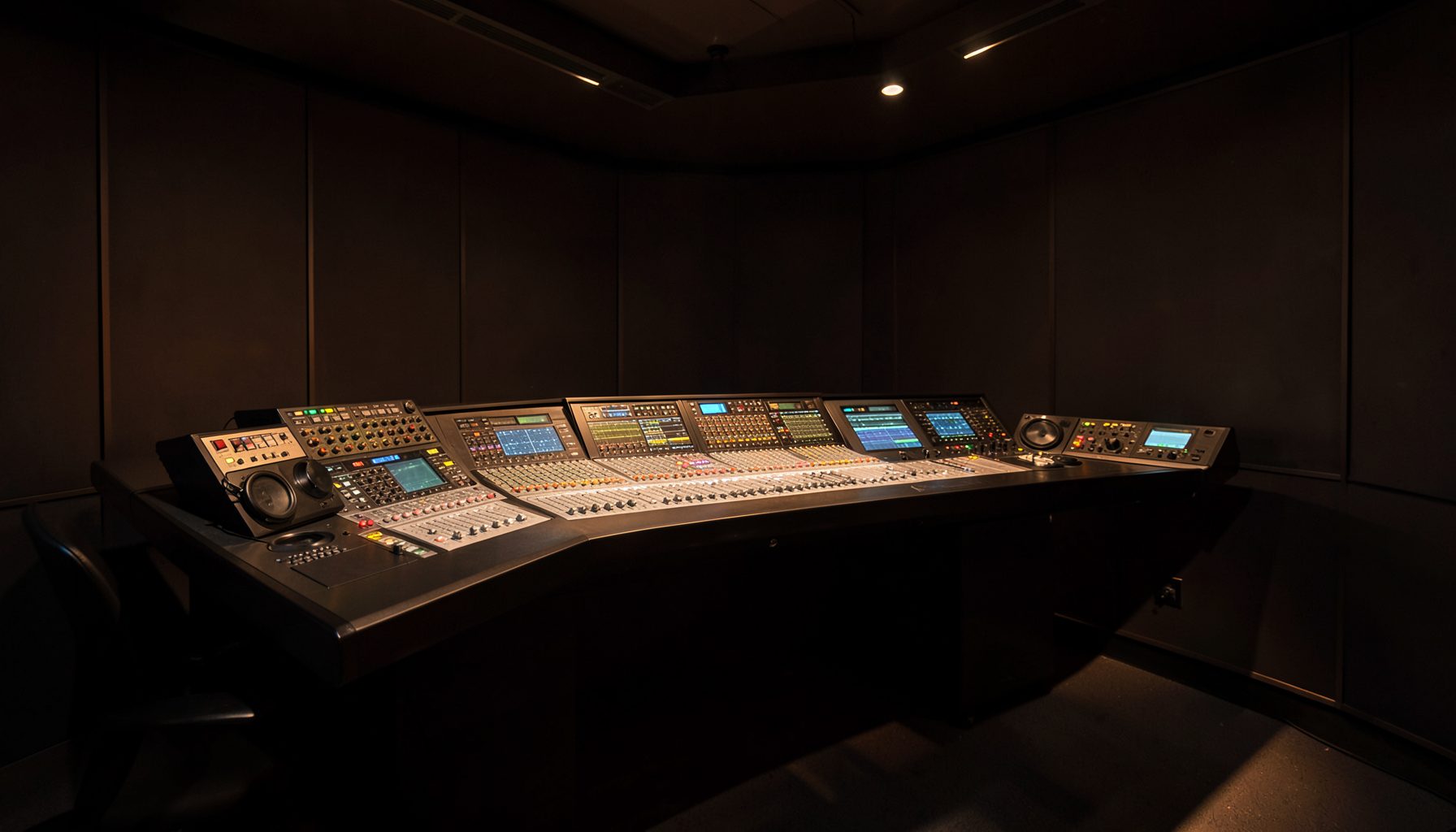
A radio production suite often grows one position at a time: a presenter desk, producer desk, news bench and engineering position may share the same Ruby system. That convenience becomes risky when anyone can change another operator’s sources, views or talkback. Designing a multi-seat production suite with separate Ruby user profiles starts by treating every seat as a defined operating position.
A profile establishes the working context for that position: visible sources, assigned controls, preferred layouts, monitor selections and access to shared processing. When separated, a producer can restructure a live rundown without moving a presenter’s confidence monitor or disturbing an engineer’s metering view. The result is clearer ownership, faster handovers and fewer accidental changes during drive time.
The wider ecosystem can support this model. Ruby provides the operator surface, Power Core nodes distribute programme audio, VisTool extends studio control, and RƎLAY and AutoMix support remote and automated workflows. They can form a coherent suite around several local desks and networked sources without requiring one large control room.
Australian teams operate in a mixed market of commercial, community and educational radio. Facilities in Sydney, Melbourne and Brisbane may combine live voice, post-production and networked contribution, with shifts around morning and evening drive periods. ACMA licence conditions, broadcasting service standards and the Privacy Act 1988 make controlled access, reliable logs and documented handovers part of the design.
Map seats to responsibilities
Begin with a seat matrix naming each position, its operator, reachable sources and permitted decisions. Include auxiliary roles such as interns, remote guests and duty engineers. This prevents a temporary login from becoming an informal way to bypass normal controls.
Give every physical seat its own Ruby user profile where the configuration supports concurrent seats. Presenter, producer, news operator and engineer should not share identical layouts. A shared duty profile may suit relief staff, but its access should still reflect the least privilege needed for the shift.
Keep the room layout consistent with the matrix. Place talkback and monitoring controls within each operator’s reach, label audio paths clearly and provide a defined path for urgent studio announcements. Physical separation adds little if every seat can select every source or mute the master bus.
Build profiles around least privilege
Define each profile before building it. Useful elements include source visibility, screen arrangement, routing selections, talkback assignments, monitor choices and common processing. Treat these as design controls, then confirm which settings persist and which permissions are available in the installed Ruby release and licence.
Match profiles to responsibilities, not personal preferences alone. A producer may need broad source selection and talkback, a presenter one microphone and a clip bay, and an engineer metering, diagnostics and processing control. The profile should make the expected workflow obvious on every shift.
Remote contributors need a deliberately narrow environment. For a contributor joining from outside the building, R3LAY VRX can support a virtual studio contribution without granting access to the full console. Use a restricted guest account, monitor the return feed and provide an engineer-controlled way to admit or remove the caller.
Separate control from audio resilience
Plan audio topology separately from user interfaces. Power Core nodes can place inputs and processing near their sources, while Ruby seats select what they need from the network. Operators may share the programme feed and still need independent monitoring, cue speakers or talkback zones.
VisTool can extend the control environment when a position needs a dedicated display or an authorised device must present source and status information. Apply the same least-privilege rule to those screens: a display may be useful, but it should not expose more control than the operator requires.
Redundancy belongs at the signal, control and power layers. Keep a documented fallback for a failed node, console failure or network path, and test it under realistic load. Australian sites must handle 230-volt, 50-hertz mains, and schedules must account for Brisbane staying on AEST while Melbourne and Sydney shift to AEDT during daylight saving.
Rehearse operations and compliance
Profiles decay when people make undocumented changes. Fold seat assignments, source maps, permission notes and rollback steps into the documentation and handover process. Version the configuration, record approvals and review it after major software, staffing or signal-routing updates.
Training should use the same seat names as the operating matrix. Run a handover exercise with a producer, presenter and engineer, then simulate an absent operator and failed route. This exposes hidden dependencies, such as one person changing a shared layout that three colleagues expected to remain fixed.
Compliance checks belong in these rehearsals. Confirm that changes cannot interrupt material required under applicable broadcasting service standards, and limit personal information in logs and profiles under the Privacy Act 1988 and Australian Privacy Principles. Give remote users unique credentials, multifactor authentication where supported, and prompt removal when access ends.
Final operating blueprint
Commission the suite in layers: create the seat matrix, build minimal profiles, restore audio and monitoring, add talkback and remote access, then conduct live rehearsals. Test each account against normal, error and outage scenarios before granting operational sign-off.
| Area | Separate-profile approach | Shared-access approach | Trade-off |
|---|---|---|---|
| Seat ownership | Named profile per role | One general operator profile | Isolation requires disciplined naming and updates |
| Source access | Role-specific sources and talkback | Broad access for every operator | Fewer accidental changes but more profiles to maintain |
| Remote contributors | Time-limited guest account | Full operator access | Lower exposure, with extra setup and return-feed monitoring |
| Recovery | Saved baseline, rollback and failover steps | Manual rebuild from each seat | Faster restoration, but regular testing and version control |
Use the comparison as a commissioning baseline, then adapt it to the station’s format. Keep emergency voice and programme continuity independent of optional desktop features. A profile that is tidy on screen still needs a tested path back to a known-good state.
The principle to remember is simple: assign one seat, one accountable role and one controlled profile, then verify it as part of the complete broadcast chain. Separate Ruby user profiles create clarity only when routing, permissions, documentation and failover are designed together.