Deploying Microservices for Containerised Radio Workflows
Broadcast operations are moving from fixed-purpose appliances towards software-defined services that can be deployed, updated and scaled across a network. In Lawo’s Broadcast 3.0 ecosystem, this approach treats audio processing, control, mixing, playout and monitoring as interoperable building blocks rather than isolated equipment.
For a radio station, the practical benefit is flexibility. A morning programme in Sydney may need a large mix of microphones, codecs, phone callers and automation, while an overnight service from Melbourne or a regional hub may require far fewer resources. Containerised services allow the same platform to support both workloads without rebuilding the entire studio.
Microservices also suit distributed production. A newsroom, outside broadcast vehicle, podcast team and main transmission centre can share networked resources while retaining clear operational boundaries. The design must still account for resilience, timing, cybersecurity and the realities of Australian connectivity.
The most effective deployments begin with service mapping rather than product selection. Engineers identify the audio paths, user interfaces, control functions and external systems required by each programme, then decide which services should run centrally, at the edge or in a private cloud.
| Architecture choice | Best suited to | Main advantage | Main consideration |
|---|---|---|---|
| Centralised containers | Single-site stations and network hubs | Simple administration and consistent versions | A site outage can affect many services |
| Edge containers | Regional studios and remote production | Local continuity and lower latency | More locations require stronger monitoring |
| Hybrid deployment | National networks and multi-city operations | Flexible capacity with local resilience | Network design and orchestration become more important |
| Virtualised radio services | Fast-changing channels and pop-up output | Rapid provisioning and reuse | Operators need clear interfaces and training |
Mapping Radio Services Into Containers
A container is a lightweight package containing an application and its dependencies. In a radio workflow, one container might host a control interface, while another handles routing logic, metering, signal processing or an integration with playout software. These services communicate through defined interfaces rather than relying on a single monolithic application.
This separation makes change safer. A station can update a studio control service without replacing its audio engine, or add a temporary production workflow for an election broadcast without disrupting the primary breakfast show. Versioned images also make it easier to test an update before it reaches the live environment.
The boundaries should reflect operational responsibilities. Audio transport, clocking and redundancy deserve different treatment from user-interface services and business integrations. Keeping these functions distinct helps teams diagnose whether a fault is caused by the network, a software instance, a control layer or an external system.
Using Lawo Components In A Distributed Workflow
Lawo’s Power Core can provide a networked audio processing foundation for containerised workflows, with control and signal handling distributed across standardised infrastructure. This supports a design in which studio surfaces, software clients and processing resources are connected through an IP-based architecture rather than tied to one physical console.
For operators, VisTool studio software can provide a visual control layer for routing, source selection, monitoring and tailored studio interfaces. A containerised deployment can present different layouts to presenters, producers and engineers while keeping the underlying audio resources centrally managed.
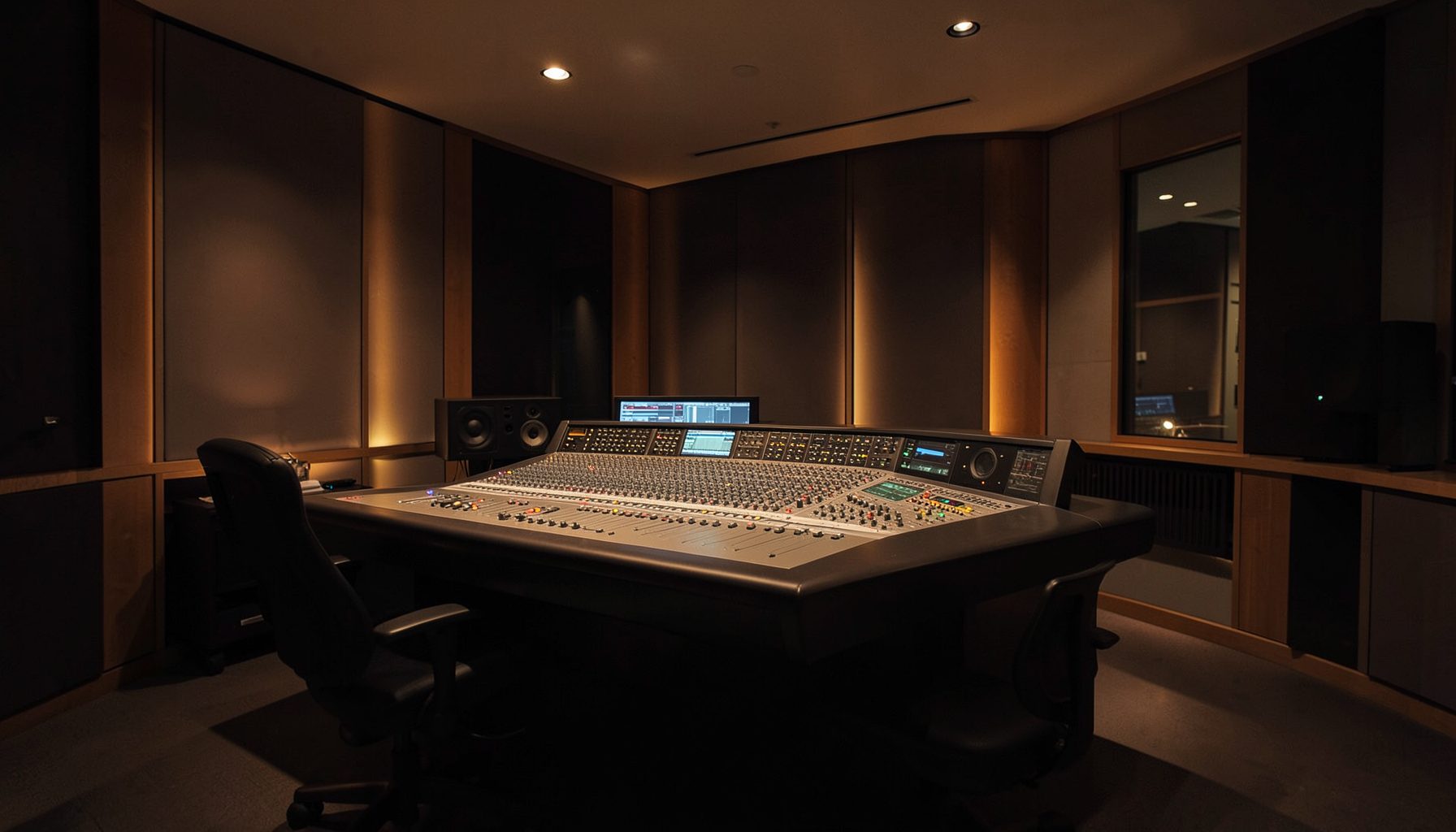
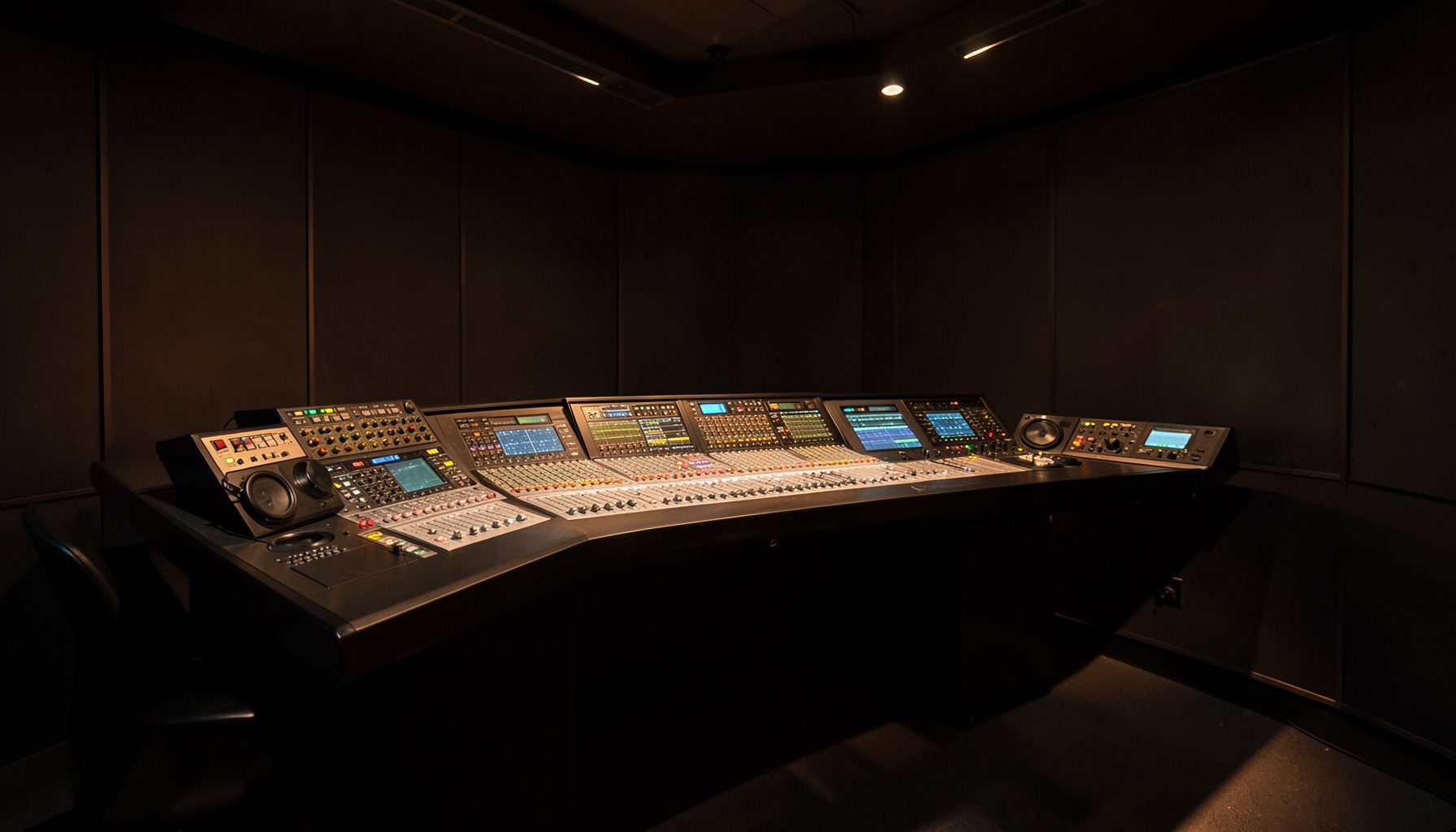
Ruby mixing consoles can remain a familiar physical control point while software services extend the workflow beyond the desk. This balance matters in live radio, where tactile operation is valuable during a busy breakfast shift, yet production staff may need remote access for voice tracking, podcast editing or network contribution.
Designing For Australian Stations
Australian broadcasters often operate across wide distances and several time zones. A network based in Sydney may serve production teams in Melbourne, Brisbane, Perth and regional markets, so local edge services can reduce dependence on a single metropolitan data centre. They can also keep essential studio functions available during a wide-area network interruption.
Connectivity should be assessed realistically. A metropolitan site may have strong fibre options, while a regional studio may depend on a less predictable service or a managed link with limited upstream capacity. Containers should therefore be sized for graceful degradation, with local audio sources, cached configuration and a clear fallback path for transmission.
Operational habits also shape the design. Australian commercial and community stations commonly combine live breakfast programming, syndicated content, local announcements and automated overnight output. Microservices can assign resources according to these changing periods, allowing a smaller regional operation to share infrastructure without making every service permanently oversized.
Compliance belongs in the architecture from the beginning. Stations must consider Australian Communications and Media Authority expectations, applicable broadcasting codes, copyright obligations and privacy requirements for recorded callers or contributors. Access controls, audit logs, retention policies and secure handling of programme material should be built into the workflow rather than added after deployment.
Building Resilience And Observability
A container platform should be treated as part of the broadcast chain, not as ordinary office IT. Critical services need redundant hosts, independent power and network paths, health checks and tested recovery procedures. Audio timing and synchronisation require particular attention because a service can appear available while producing silence, drift or corrupted output.
Monitoring should combine technical and operational indicators. Engineers need visibility of CPU and memory, container restarts, packet loss and latency, while producers need alerts for missing sources, failed playout events and abnormal silence. Centralised logs and metrics make it possible to distinguish a transient network fault from a faulty software release.
Deployment practices should be conservative around live output. Blue-green or canary releases allow a new service version to run beside the current one, with a controlled switch after testing. Configuration should be stored separately from the application image, allowing a recovered instance to use the correct station settings without manual reconstruction.
Extending Workflows With Virtual Radio Tools
Virtualised services are especially useful when a broadcaster needs additional channels, remote presenters or short-term event coverage. A production team can create a controlled environment for a digital stream, sports update or podcast series, then release those resources when the project ends.
Lawo’s RƎLAY virtual radio tools align with this model by supporting software-based contribution and presentation workflows. Used alongside networked audio processing, virtual radio tools can connect remote talent and content teams without requiring every participant to operate a traditional studio.
Security remains essential when services are reachable beyond the station. Identity management, multifactor authentication, encrypted connections and least-privilege permissions should apply to presenters, producers, contractors and administrators. Remote access should be logged and reviewed, especially where programme audio includes personal information or commercially sensitive material.
A successful rollout is usually incremental. Start with a non-critical production service, measure resource use and operator experience, then extend the pattern to live studios and transmission support. This creates evidence for capacity planning while giving staff time to learn new interfaces and recovery procedures.
Broadcast 3.0 microservices are most valuable when they make radio easier to operate, adapt and protect. For Australian broadcasters, the strongest design combines container portability with local resilience, networked Lawo audio capabilities, disciplined observability and compliance-aware security. The key principle is simple: treat every service as part of one dependable broadcast workflow, with a tested fallback whenever software, connectivity or infrastructure fails.