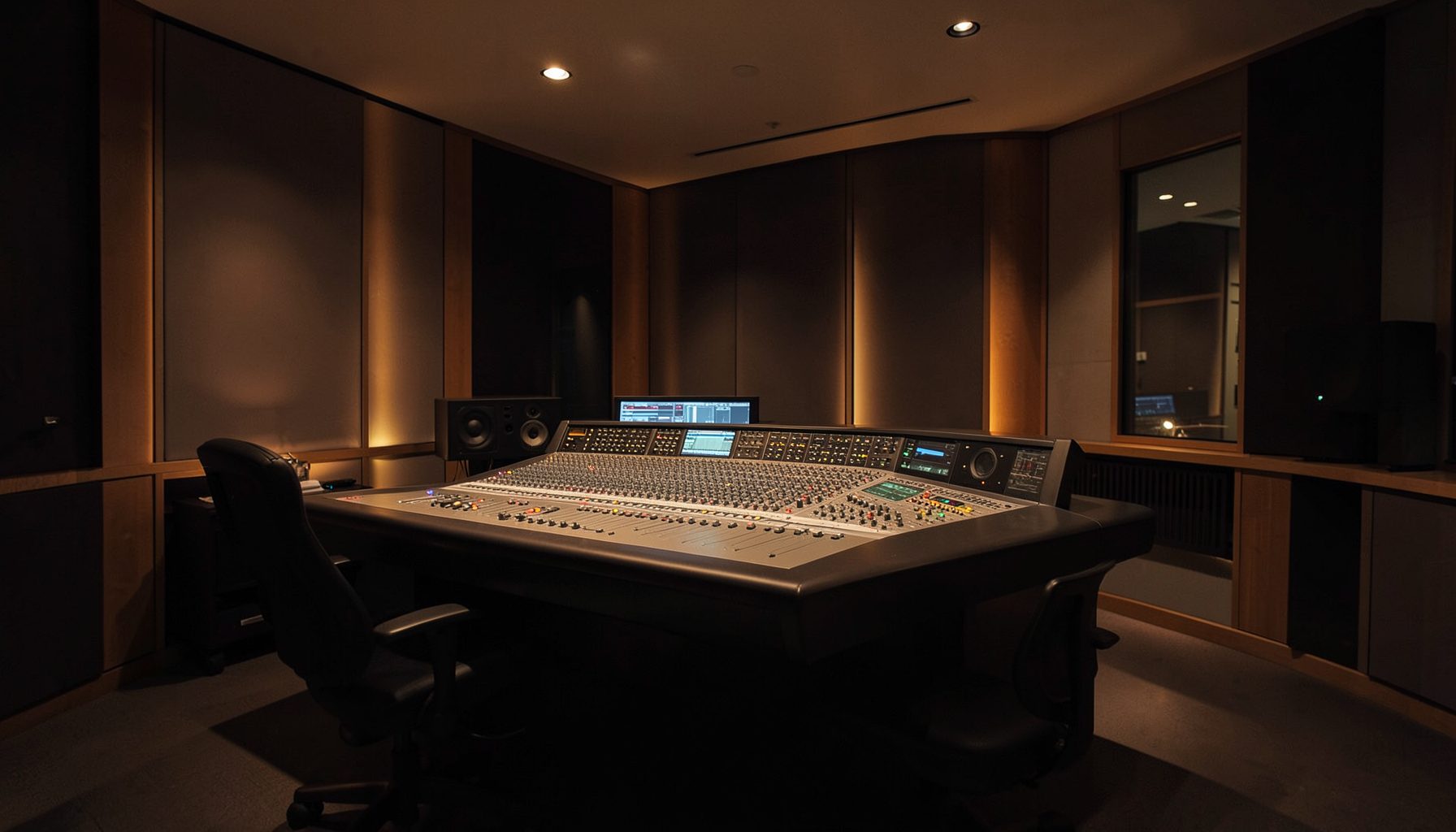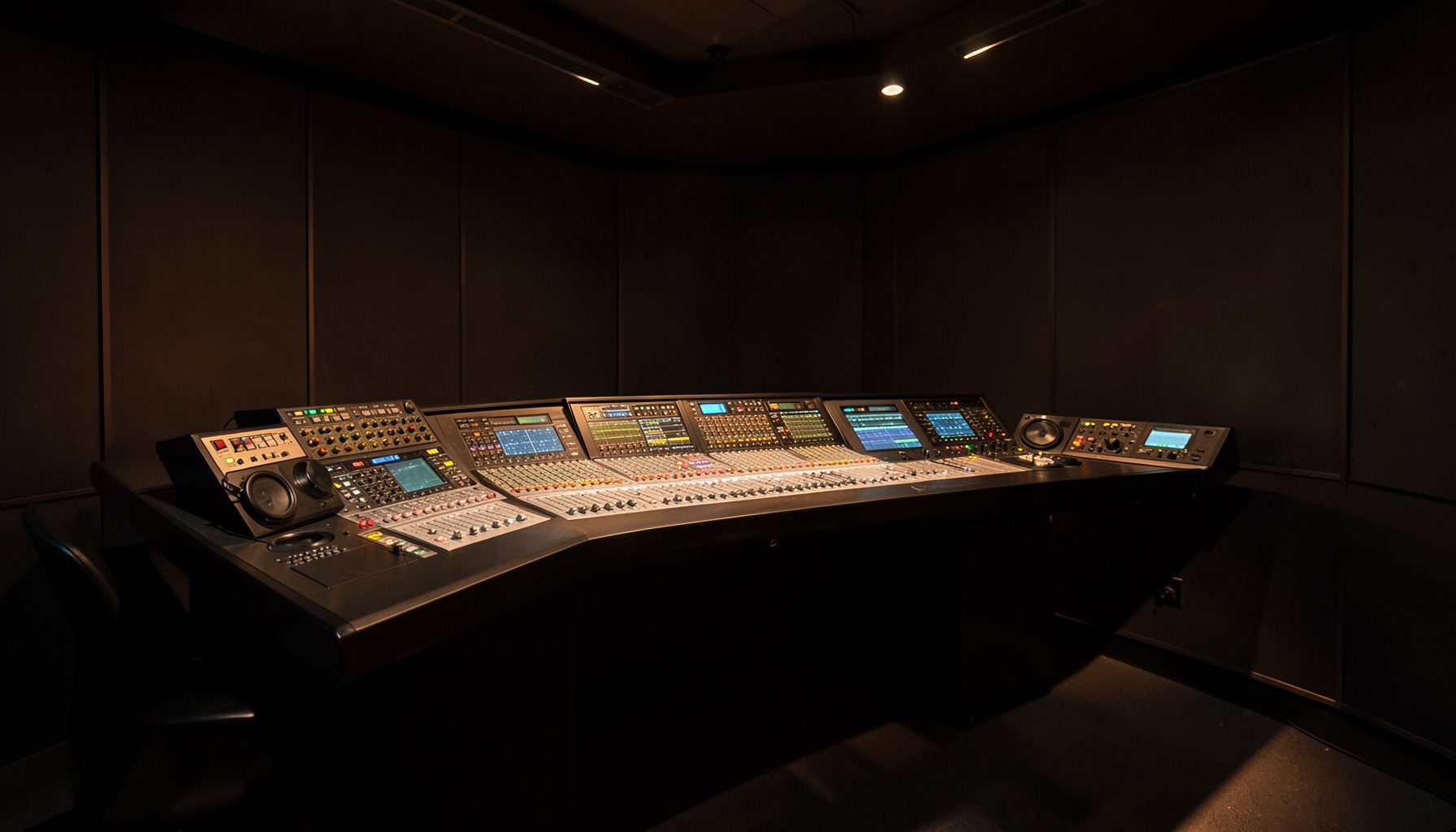
How Ruby Consoles Modernized a European Public Broadcaster
A European public broadcaster set out to renew its radio production environment without interrupting daily news, music, and live programming. Its existing studios had developed around separate generations of mixing desks, audio processors, and control interfaces. This created inconsistent operating methods and made technical support harder across the network.
The upgrade focused on Lawo Ruby consoles, networked audio resources, and software-based control. Rather than treating the project as a simple console replacement, the broadcaster used it to establish a more consistent production model for central studios, regional rooms, and flexible contribution spaces.
The result was a radio infrastructure designed around shared resources, familiar operator workflows, and room for future expansion. The project also demonstrated how a public media organization can modernize gradually while protecting reliability and editorial continuity.
A fragmented production environment
Before the renewal, the broadcaster operated several studio types with different console layouts and signal paths. Engineers often had to adapt configurations manually when moving between rooms, while presenters and producers encountered variations in monitoring, routing, and source control.
The technical team also faced growing pressure to support remote contributions, distributed production, and more software-oriented workflows. Conventional point-to-point cabling limited flexibility, and adding new sources could require physical changes in the rack room or studio furniture.
A common platform offered a practical way forward. The broadcaster wanted operators to recognize the same control philosophy in multiple locations, while engineers needed centralized visibility of audio paths and connected equipment.
Why Ruby suited the migration
Ruby consoles provided a familiar physical interface for everyday radio operation while connecting to a broader networked production environment. Their modular approach allowed the broadcaster to specify different surface sizes for on-air studios, production rooms, and smaller voice or editing facilities.
The console surfaces were paired with Lawo’s Power Core audio nodes, which supplied processing, routing, and I/O resources over the network. This separated the operator interface from much of the underlying hardware, making it easier to share sources and adapt a room when its editorial role changed.
For the broadcaster, this architecture reduced the need to duplicate every resource in every studio. It also created a clearer path toward software-defined expansion, including additional control positions and virtualized workflows.
Designing the networked studio model
The implementation team defined common templates for news, music, interview, and production use. Each template established consistent fader assignments, monitoring behavior, talkback functions, and access to shared sources. Engineers could then adjust individual rooms without losing the overall operating model.
Remote I/O and network-based signal distribution helped connect studios with central technical areas and contribution points. This reduced dependence on long, dedicated audio runs and simplified the process of moving a source from one production space to another.
Control and visualization were equally important. With VisTool studio software, engineers could create graphical interfaces for routing, device status, and facility control. That gave the broadcaster a way to present complex infrastructure in a form that suited different users, from operators needing quick access to engineers managing system-wide resources.
| Area | Previous environment | Ruby-based workflow |
|---|---|---|
| Console operation | Different layouts across rooms | Consistent control philosophy |
| Signal distribution | Predominantly fixed connections | Networked and shareable resources |
| Processing | Room-specific hardware | Centralized Power Core resources |
| Studio changes | Physical rewiring and manual setup | Template-based configuration |
| System oversight | Separate local views | Broader centralized visibility |
| Future expansion | Dependent on hardware additions | More flexible software-led growth |
Supporting operators through change
Technology renewal succeeds when it reflects the way people work. The broadcaster involved presenters, producers, and technical staff during configuration and testing, using familiar operational scenarios rather than abstract feature demonstrations.
Training emphasized repeatable tasks: preparing a studio, handling a live contribution, changing monitoring sources, and recovering from an interrupted connection. Because Ruby retained the tactile qualities expected from a professional radio console, operators could transfer existing skills while learning new networked functions.
The organization also used phased commissioning. New rooms were tested alongside the existing system, allowing the technical team to compare behavior, refine templates, and resolve edge cases before wider deployment. This reduced operational risk during the transition.
Improving resilience and resource sharing
A shared audio infrastructure allowed the broadcaster to treat studios as connected production resources rather than isolated rooms. A source prepared in one area could be made available elsewhere without rebuilding the entire signal path, supporting news coordination and regional collaboration.
Centralized processing and routing also made maintenance more manageable. Engineers could monitor resources from a clearer operational view and apply configuration changes consistently. If a room needed to change its role for a special broadcast, the system could be adapted through configuration instead of extensive physical intervention.
The architecture supported resilience planning as well. Critical paths could be documented more clearly, and standardized configurations made it easier to identify faults. This was especially valuable for a public broadcaster with long transmission hours and strict service expectations.
Recommendations for a controlled rollout
The project provides a useful model for other radio organizations planning a console and infrastructure refresh.
- Define common studio templates before ordering every surface and accessory.
- Separate operator controls from shared processing and I/O wherever practical.
- Test network behavior, monitoring, and recovery procedures under live-production conditions.
- Involve presenters and producers early enough to influence workflow design.
- Plan training around real broadcasts rather than isolated product functions.
This approach keeps the technology aligned with editorial needs. It also helps organizations avoid recreating old limitations inside a new system, such as assigning every source permanently to one room or retaining unnecessary hardware duplication.
A phased rollout can further protect continuity. Starting with a representative studio gives the broadcaster a controlled environment for validating console layouts, user permissions, routing logic, and support procedures before the design is repeated across the wider estate.
A foundation for Broadcast 3.0 workflows
The Ruby deployment gave the broadcaster more than a new mixing surface. It established a connected platform for audio production, control, and future software integration. That foundation can support additional Lawo technologies, virtual radio tools, automation, and remote production as operational requirements evolve.
This matters for public media organizations balancing financial discipline with changing audience habits. A modular infrastructure can be expanded according to clear priorities, whether the next requirement involves more remote contribution capacity, new digital services, or a more distributed production team.
The case also illustrates the value of combining tactile operation with networked intelligence. Operators keep direct control over the program mix, while engineering teams gain the visibility and flexibility expected from a modern broadcast ecosystem.
A Ruby-based studio renewal can be the first step in a broader transformation rather than a one-time equipment purchase. Explore the platform, map current workflows, and plan a migration that gives your teams a reliable route from today’s studios to tomorrow’s networked radio operation.