How a college radio station modernized with Ruby and Power Core
A college radio station can be a demanding broadcast environment. Student presenters, faculty producers, live music crews, sports commentators, podcast editors, and community volunteers may all need access to the same audio infrastructure, often with limited engineering support.
This case study follows an anonymized campus station that replaced an aging collection of analog mixers, point-to-point wiring, and standalone production computers with a networked workflow built around Lawo Ruby and Power Core. The goal was not simply to purchase a new console. It was to create a flexible radio platform that could adapt to changing users and programming formats.
The station also wanted a system that supported remote contribution, streamlined studio operations, and gave students practical experience with broadcast technology used in professional facilities.
Recognizing the limits of the old setup
The station’s previous control room had served reliably for years, but its architecture had become restrictive. Audio sources were connected through fixed wiring, making it difficult to move microphones, codecs, or playout systems between studios. A fault in one part of the signal path could require manual tracing through several racks.
Training created another problem. Students had to learn different procedures for live shows, production, and outside broadcasts because each room used a slightly different configuration. With volunteers arriving for short shifts, the engineering team spent too much time explaining workarounds instead of developing new programming.
The station’s leadership identified four priorities: easier operation, centralized audio resources, room for expansion, and a practical migration path that would not interrupt the broadcast schedule.
Building the new workflow around Ruby
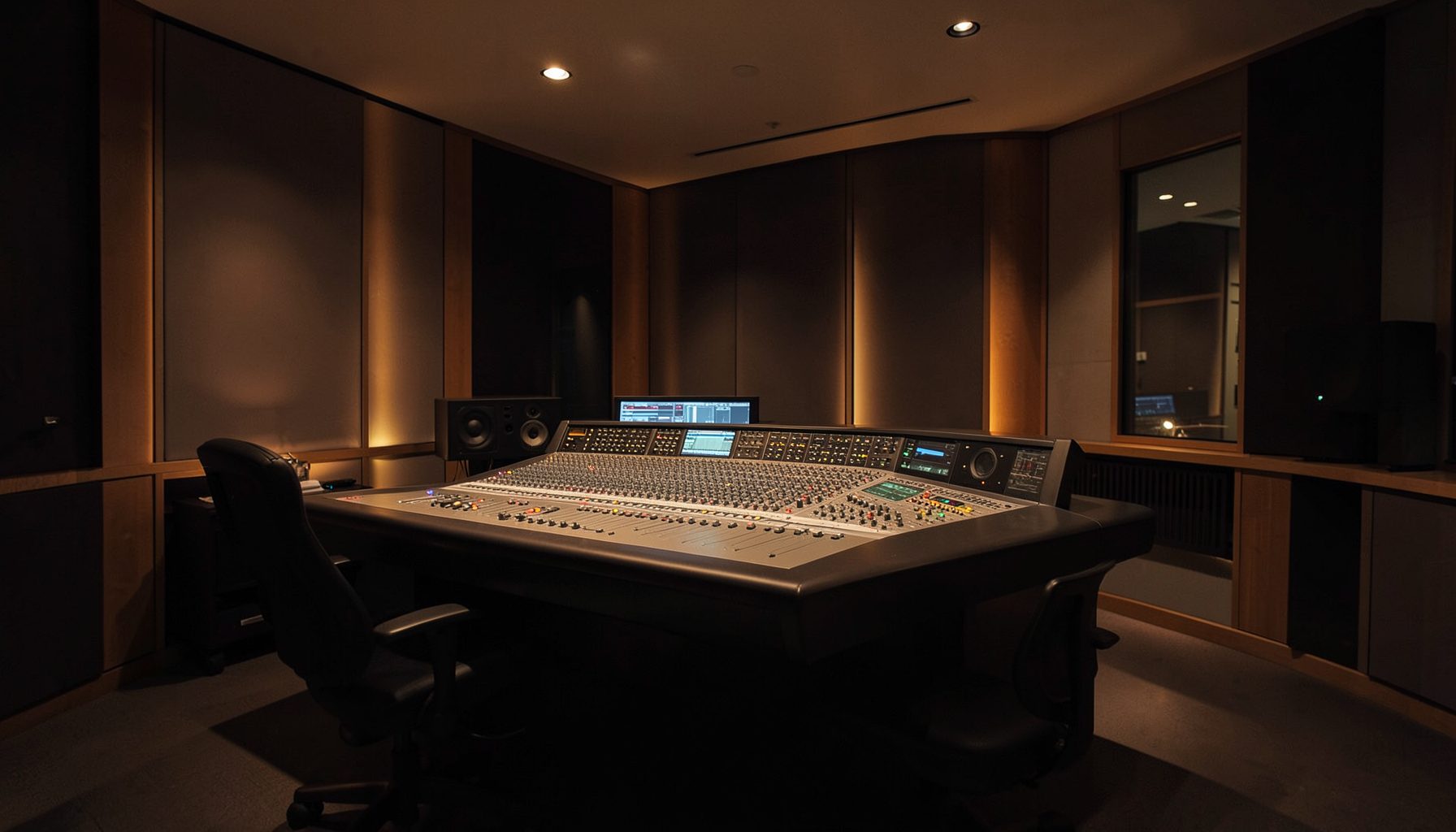
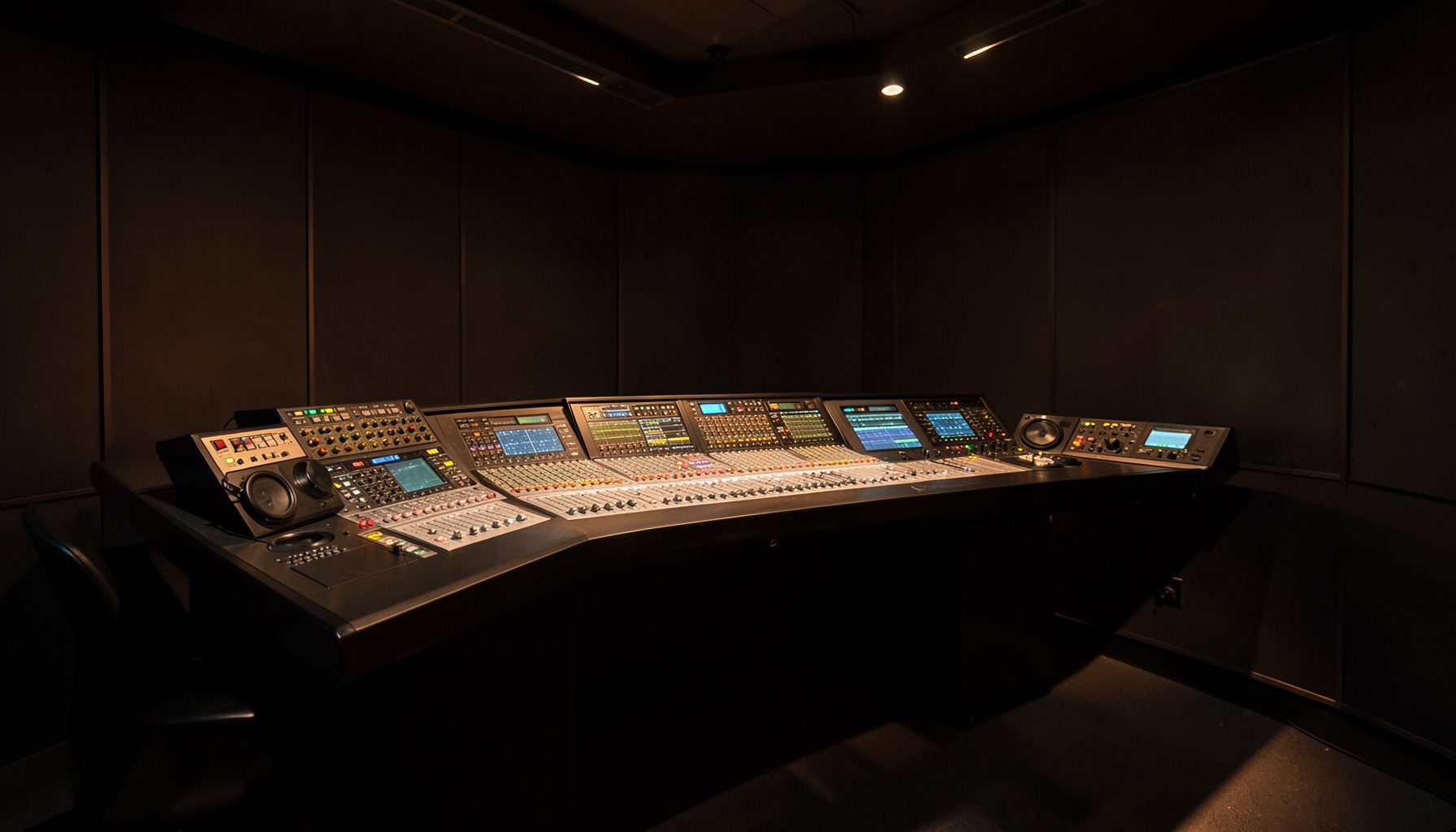
Ruby became the main user interface for the station’s live and production operations. Its broadcast console design gave presenters a familiar surface for faders, monitoring, talkback, and source selection, while the underlying networked architecture allowed audio resources to be shared across rooms.
Instead of dedicating every input to one physical studio, the station could assign microphones, playout channels, remote feeds, and processing resources where they were needed. A student could move from a breakfast show to a sports production shift without facing an entirely different operating model.
The console also helped establish consistent workflows. Source names, bus assignments, monitor settings, and show layouts could be prepared in advance, reducing the risk of rushed configuration changes before a live broadcast.
Extending capacity with Power Core
Power Core provided the station with a centralized audio engine and I/O platform. By placing processing and connectivity on the network, the installation reduced dependence on large quantities of fixed point-to-point cabling. Audio could be routed between studios, edit rooms, performance spaces, and remote contribution points through a managed infrastructure.
This approach was especially useful for a college station with irregular room usage. A studio that hosted a podcast in the afternoon could support a live concert feed in the evening, while the same processing environment remained available to the main control room. Expansion became a matter of adding compatible resources and configuring routes rather than rebuilding the entire signal path.
The technical team also gained better visibility into the system. Centralized control and monitoring made it easier to identify unavailable sources, incorrect routes, or device issues before they affected the program output.
| Area | Previous arrangement | Ruby and Power Core workflow |
|---|---|---|
| Studio connectivity | Fixed wiring between rooms | Networked audio distribution |
| Mixing | Separate consoles with varied layouts | Consistent Ruby operating environment |
| Processing | Scattered hardware units | Centralized Power Core resources |
| Training | Room-specific procedures | Repeatable show workflows |
| Expansion | Major rewiring required | Scalable routing and I/O additions |
| Remote production | Limited codec access | Shared contribution and distribution paths |
Supporting students and live programming
A modern college station must serve as both a media outlet and a learning environment. The new workflow allowed instructors to demonstrate routing, monitoring, signal flow, and production practices without taking students into a complex rack room for every lesson.
Ruby’s surface gave beginners direct control over common tasks while leaving advanced options available for experienced operators. Students could learn how to build a mix, manage a telephone or remote contribution, create a clean feed, and coordinate with a producer using tools that reflect current broadcast practice.
The station also connected live music and campus events more efficiently. Performance spaces could send audio to the broadcast center, and producers could return talkback or monitoring feeds without installing temporary cable runs for each event. This made outside broadcasts less dependent on a small group of specialists.
Digital distribution became part of the wider workflow as well. When the station developed sponsor features and online campaigns, it could prepare separate mixes for broadcast, streaming, and social media. That flexibility was valuable for audio-led promotions, including formats similar to a gaming audio campaign, where clear branding and reliable playback timing matter.
Adding software control and automation
The station used VisTool to create graphical control pages for routine tasks. Students and volunteers could access clearly labeled controls for studio selection, source routing, monitor levels, and basic system status without navigating a dense engineering interface.
These visual panels reduced the learning curve and helped protect the underlying configuration. Less experienced users could perform approved actions while the engineering team retained control over complex routing, permissions, and system maintenance.
For recurring programming, the station evaluated AutoMix to help manage microphone levels during panel discussions and multi-person shows. This did not replace editorial judgment or an operator’s role. Instead, it provided a useful layer of consistency when several speakers were moving toward or away from their microphones.
Measuring the operational results
After the migration, the station reported shorter setup times for live programs and fewer interruptions caused by routing mistakes. Engineers could prepare standard show templates, while students spent more time producing content and less time searching for cables or adapting to unfamiliar control surfaces.
The biggest improvement was operational flexibility. A shared networked infrastructure supported radio, podcasting, live performance, and teaching from the same technical foundation. The station could add new sources or rooms without treating every change as a separate project.
The project also gave the college a stronger technology story. Students learned about IP-based audio, centralized processing, software control, and scalable broadcast design—skills that apply across radio, television, streaming, theater, and live production.
Practical priorities for a similar migration
A college station planning a comparable modernization can focus on these priorities:
- Map current sources, destinations, monitoring points, and recurring failure areas before selecting equipment.
- Standardize show layouts so students can move between studios with minimal retraining.
- Separate everyday operator controls from engineering-level configuration and permissions.
- Design network capacity, redundancy, and labeling standards before installing audio devices.
- Plan for future uses such as podcast production, remote contribution, live events, and streaming.
Ruby and Power Core gave this campus station more than a replacement for its old mixing desks. Together, they created a shared production environment that could grow with the curriculum, the audience, and the station’s ambitions.
Explore Lawo’s radio workflow technologies to evaluate how a networked console, centralized audio engine, and software-based control can support your own broadcast modernization project.