Virtual RƎLAY for Disaster-Ready Radio Studios
Radio studios rarely fail because a single mixing desk has stopped. A power outage, damaged network link, ransomware attack or unavailable building can remove the entire production chain. Disaster recovery therefore needs a defined service to restore, not merely a spare machine in a cupboard. This is particularly important for Australian broadcasters, from metropolitan operations in Sydney and Melbourne to regional and community stations with limited on-site support.
Building a virtual RƎLAY instance for disaster recovery studio operations means creating a tested environment that can resume critical broadcast functions after a site, network or power failure. The instance can support virtual radio workflows, while scheduling, automation, encoding and storage may remain in specialist systems. Its value comes from a documented handover: what returns first, who authorises it, and how operators know it is safe to go live.
Set the recovery outcome
The recovery scope should begin with the minimum on-air service. Identify which functions must return within minutes and which can follow later. Essential tasks might include talkback, programme monitoring, emergency announcements, voice processing and access to current playlists. Legal music logs, rights metadata and station branding may also need rapid recovery, even if they are not visible to presenters.
Turn that scope into measurable recovery objectives. Define the maximum acceptable outage and the amount of data the station can lose, then test whether the proposed architecture meets both limits. Applicable ACMA licence conditions must remain satisfied throughout recovery. The Australian market includes network-owned commercial services, the ABC, SBS, community broadcasters and small independent producers, so each organisation needs to match its own regulatory and commercial priorities rather than apply one generic model.
Build a controlled virtual platform
Create a clean, supported virtual environment and document its configuration, software versions, resource requirements and licensing. A recovered workstation should not simply inherit every setting from the live machine: unnecessary accounts, obsolete plug-ins and shared credentials increase both security risk and restart time. Keep configuration under version control and maintain an offline copy of installation media, licences and recovery credentials.
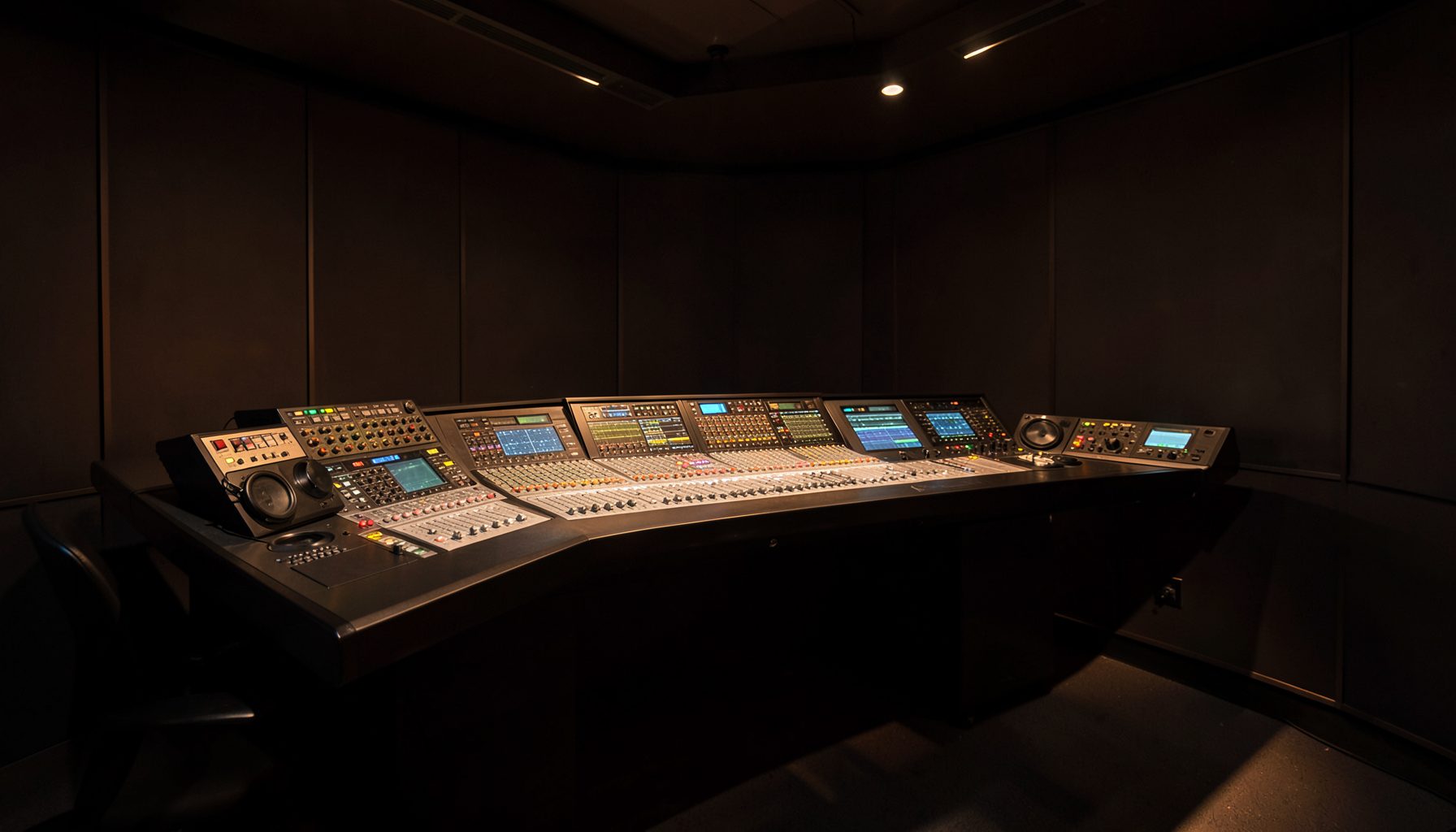
Signal-flow thinking from demanding live venues provides useful background; Lawo’s casino audio deployment overview demonstrates why continuity depends on the entire audio chain. For RƎLAY, include the virtual radio applications, audio devices, processing profiles, routing presets and automation interfaces required at the alternate site. Where the design includes Power Core nodes or VisTool control software, document their addressing, firmware and dependencies separately.
Route audio, control and data
Treat the recovery instance as part of the broadcast signal path, not as an isolated copy of the studio desktop. Programme audio must reach the appropriate encoder, monitoring system and transmission chain from the recovery location. Keep a clear route back to the main site so engineers can verify sources, confirm talkback and diagnose silence without relying on guesswork. Return-path monitoring is as important as the outgoing feed.
Secure remote administration with a VPN, multi-factor authentication and role-based access. Prioritise audio and control traffic on wide-area links, and avoid sending bulky media files through the same constrained path. For regional stations, fixed and wireless links may share physical infrastructure, so a diverse carrier backup can be valuable. Use replicated storage for playlists, presets, logs and configuration, but ensure only one active instance can write to critical data.
Rehearse the switch to recovery
Run exercises that simulate realistic failures rather than simply testing individual components. Power loss, degraded connectivity, unavailable staff, ransomware and an incorrect routing preset can each expose different weaknesses. Record how long the station remains off air, how much data is lost and which manual steps delay the return. Compare the results with the agreed recovery objectives and document every corrective action.
Australian conditions deserve particular attention. Flooding in New South Wales, bushfires, severe weather and cyclone-related disruption can affect buildings, power and telecommunications simultaneously. Support teams may also operate across different time zones; Perth remains on UTC+8 while Sydney and Melbourne shift seasonally. Use live industry discussions only as background for team briefings, keeping changing headlines separate from the tested recovery runbook.
Keep recovery operational
Assign ownership before an emergency occurs. One team should manage the virtual platform, another the studio applications and a third the broadcast signal chain, with clear authority to declare failover and return to normal. In Australian control rooms, the handover should be blunt: the backup is ready, or it is not. Record the current state after every test so that engineers know which services were last verified.
Review failover frequency, licence status, software updates and storage replication regularly. Include the recovery instance in vulnerability scanning, patching and configuration audits. Schedule out-of-hours exercises with presenters and operators, because the people who use the system may discover usability problems that technical checks miss.
| Recovery pattern | Instance state | Main benefit | Main limitation |
|---|---|---|---|
| Cold standby | Powered down with a verified image | Lowest running cost | Longer restore and higher configuration risk |
| Warm standby | Running with core services and current backups | Faster, repeatable activation | Consumes resources and still needs regular testing |
| Hot mirror | Fully active and closely monitored | Very short failover potential | Highest cost and greatest risk of split-brain operation |
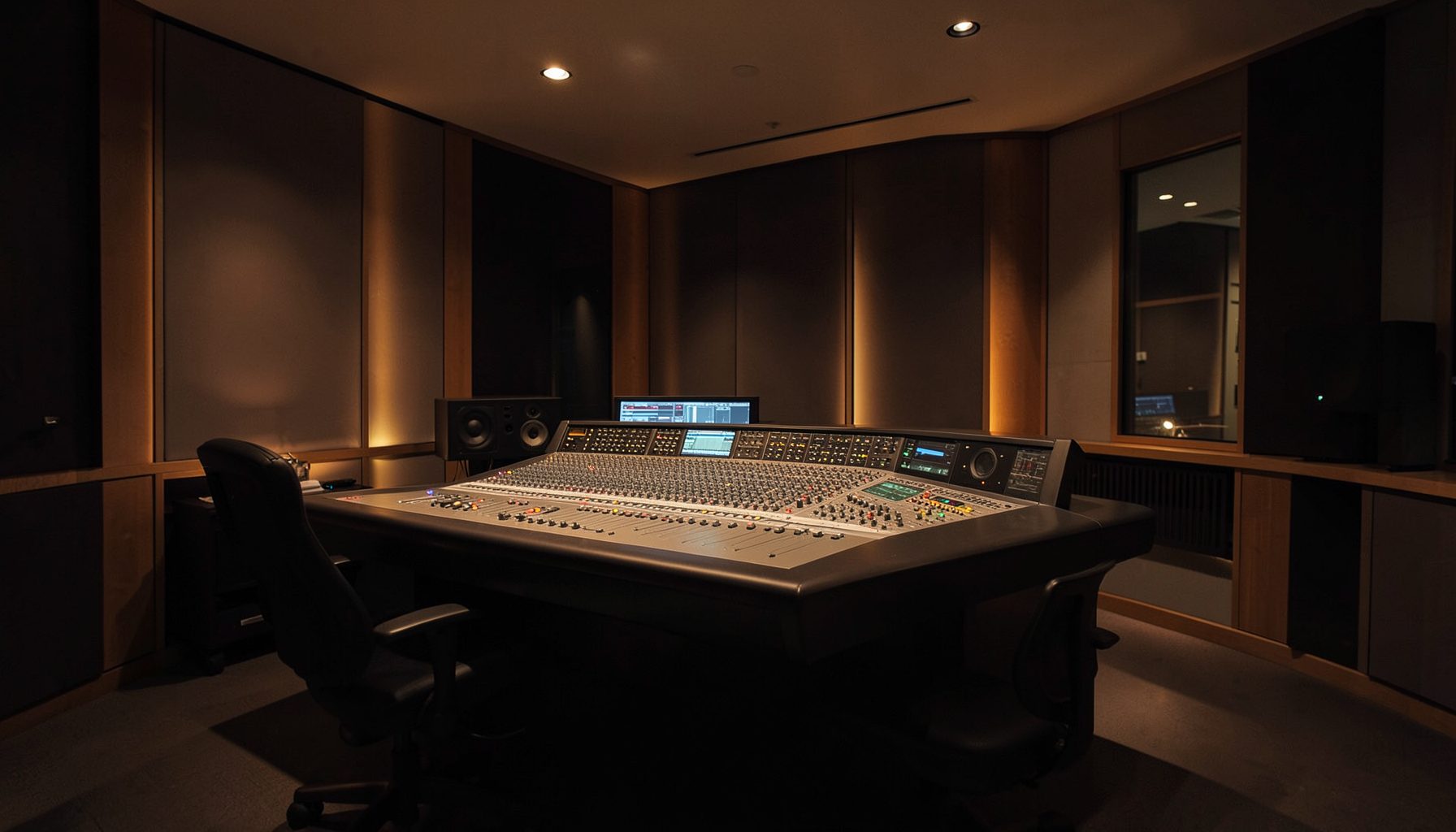
The recovery platform should remain integrated with engineering routines, security controls and broadcast documentation. If the original site is unavailable, the virtual environment must provide an authentic studio experience, including clear monitoring and reliable communication with transmission staff.
The thing to remember is simple: a virtual RƎLAY instance becomes disaster recovery when the people, signal paths and procedures behind it are ready before the emergency.