Multiple Ruby Consoles, One Shared Power Core
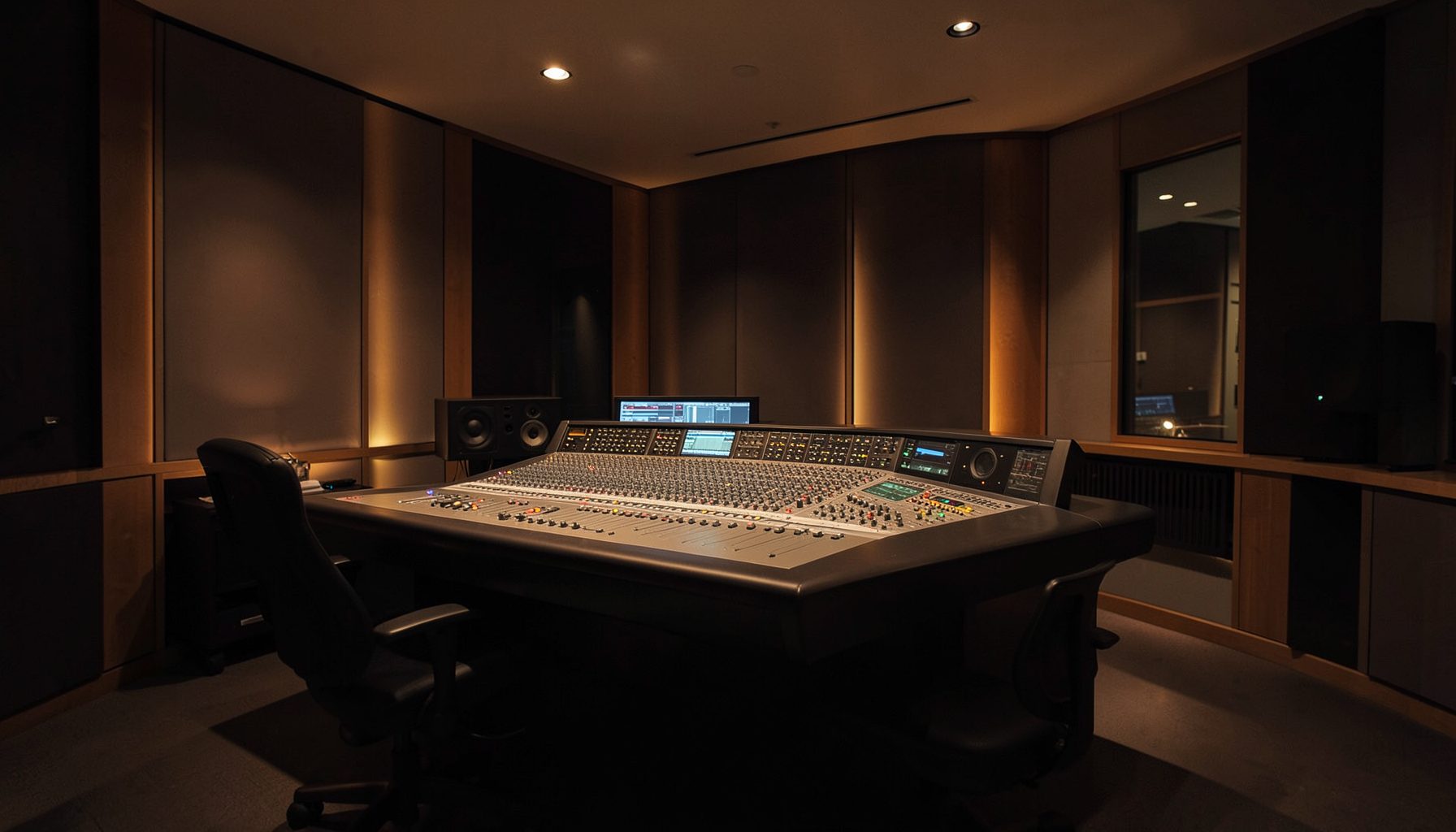
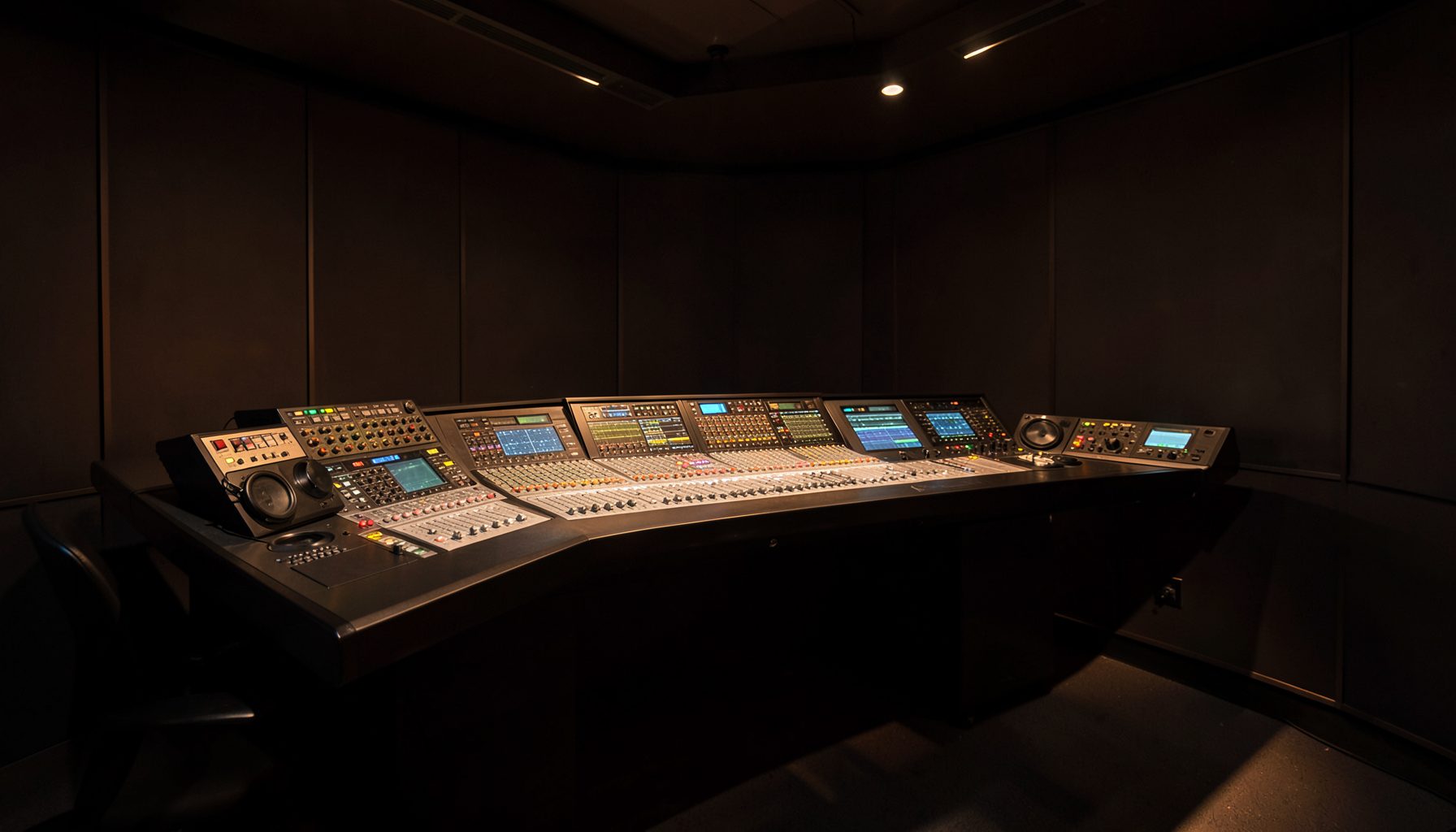
A studio complex with multiple Ruby consoles can give a broadcaster consistent operation across breakfast, drive, news, sport, and production rooms. The key is to treat the consoles as control surfaces within a shared audio system, rather than as isolated mixers with separate racks and duplicated processing.
Power Core provides the central audio-node layer for this approach. Sources, codecs, playout systems, microphones, telephone hybrids, codecs, and monitor feeds can be made available to several rooms through a networked architecture, while each Ruby surface retains a workflow suited to its operators.
This design is useful for metropolitan broadcasters in Sydney, Melbourne, Brisbane, and Perth, as well as regional networks that need a main studio, backup room, production booth, and remote contribution position. It also supports gradual expansion without requiring every room to have its own complete core.
A well-planned installation must cover signal paths, permissions, monitoring, clocking, resilience, and daily operating habits. The Lawo broadcast platform provides the wider product context for building this kind of connected radio environment.
| Area | Shared Power Core Approach | Separate Core Per Room |
|---|---|---|
| Audio sources | Centralised and available across rooms | Duplicated or manually patched |
| Expansion | Add surfaces, I/O, or licenses as required | Requires additional complete systems |
| Maintenance | Common processing and network standards | Several independent configurations |
| Resilience | Designed around central redundancy | Faults are isolated more naturally |
| Operator workflow | Consistent source and bus access | Different layouts between studios |
Define The Room Roles
Start by assigning a clear purpose to every Ruby console. A main on-air desk may require fast access to playout, microphones, telephone callers, remote feeds, and studio monitors. A production console may need more flexible routing, editing returns, voice-over paths, and access to multiple programme buses.
The Power Core should be sized around the combined demand of all rooms, including input channels, mix-minus feeds, mix buses, monitoring paths, GPIO, and contribution codecs. A useful channel schedule should show which sources are permanently assigned, which are shared, and which must be available during a contingency.
For example, a Sydney breakfast studio might have priority access to network news and live correspondents, while a Melbourne production room uses the same codec pool later in the day. These permissions can be planned in advance instead of relying on ad hoc patching.
Build A Predictable Signal Architecture
Use a consistent naming convention for every source and destination. Labels such as “Studio A Mic 1”, “News Codec Return”, or “FM Programme Feed” are easier to operate than rack-based names. Colour coding and standard fader positions can further reduce mistakes when presenters move between rooms.
Audio-over-IP transport should be separated logically from general office traffic. Managed switches, suitable bandwidth, multicast configuration, and a reliable Precision Time Protocol design are important for stable audio and control. The physical network should also account for long cable runs, equipment-room temperature, and restricted access.
A specialist such as WAN design guidance can be useful when the complex includes remote studios, regional contributors, or cloud-connected services. Australian broadcasters often work across large distances, so the connection between a city headquarters and a regional bureau needs careful consideration of latency, jitter, and failover.
Make Every Ruby Surface Feel Familiar
Multiple consoles are easiest to manage when the operator experience is deliberately standardised. Keep core functions in comparable positions across Ruby surfaces, even if one desk has fewer faders or a different monitor arrangement. Presenters and casual producers should not need to relearn the entire control layout when changing rooms.
Create role-based profiles for breakfast, news, sport, and production. These can expose the required sources while reducing accidental access to engineering routes. A profile should also define monitoring choices, talkback destinations, mix-minus feeds, and the behaviour of shared sources.
Centralised processing does not mean every room must sound identical. Each Ruby console can have room-specific monitor levels and local workflow preferences, while the Power Core maintains common buses, source availability, and processing standards.
Use VisTool For Visual Control
Large networked systems benefit from a clear graphical control layer. VisTool software can provide custom interfaces for source selection, route changes, GPIO actions, level indication, and operational status. This is particularly valuable for producers who need simple controls without opening engineering functions.
Interfaces should be designed around real tasks rather than equipment diagrams. A “Remote Guest” page might combine codec selection, mix-minus activation, talkback, and monitoring in one place. A “Night Mode” page could apply approved routing changes and show the status of unattended facilities.
Use permissions carefully. Engineering pages can contain clock, network, and core-routing controls, while producer pages expose only the actions required during a programme. Every important action should have clear feedback so an operator can see whether a route has changed successfully.
Plan For Australian Broadcast Conditions
Australian facilities often combine commercial radio, community broadcasting, podcast production, and syndicated programming in the same building. The architecture should therefore support different access levels, changing schedules, and occasional outside broadcasts. Community stations may have volunteers operating a console, while network studios require tighter role control and documented presets.
ACMA licensing and the Broadcasting Services Act 1992 form part of the compliance environment for Australian broadcasters. They do not dictate a particular console layout, but they reinforce the need for dependable programme paths, clear operational responsibility, and reliable records where regulated content or emergency announcements are involved.
Daylight saving also affects networks spanning states. A Sydney-based operation coordinating with Brisbane or Adelaide should document clock references, automation schedules, and live handovers. Regional stations may depend on mobile or fixed wireless links, so local contribution paths should have a tested backup rather than being treated as equivalent to a studio LAN.
Engineer Resilience And Daily Operations
A shared Power Core introduces efficiency, but it also makes central resilience important. Consider redundant power, protected network paths, spare control hardware, documented bypass routes, and an operational fallback for loss of a Ruby surface. The right design depends on the station’s risk profile and budget, but failure assumptions should be written before installation.
Commissioning should test every room under realistic conditions: simultaneous live microphones, shared codecs, remote returns, monitor switching, talkback, recording feeds, and emergency routing. Measure how the system behaves when a switch, link, surface, or core component is unavailable.
After launch, keep a controlled change log for profiles, labels, routes, firmware, and network settings. Train operators with short scenario-based exercises, such as moving a programme to the backup studio or taking a regional caller through an alternate codec. The practical takeaway is to design the complex as one coordinated broadcast system, then give each Ruby console a simple, dependable role within it.