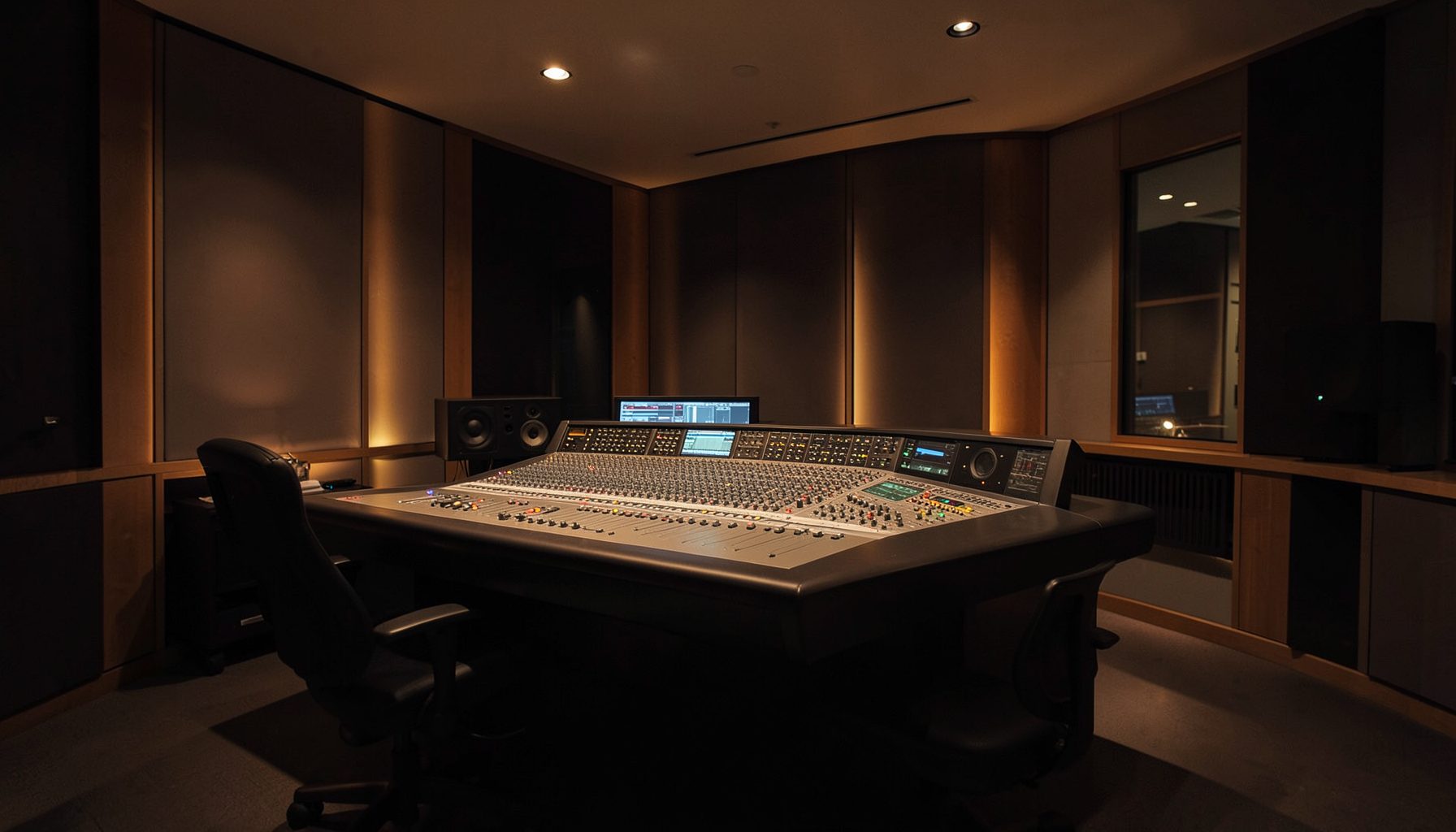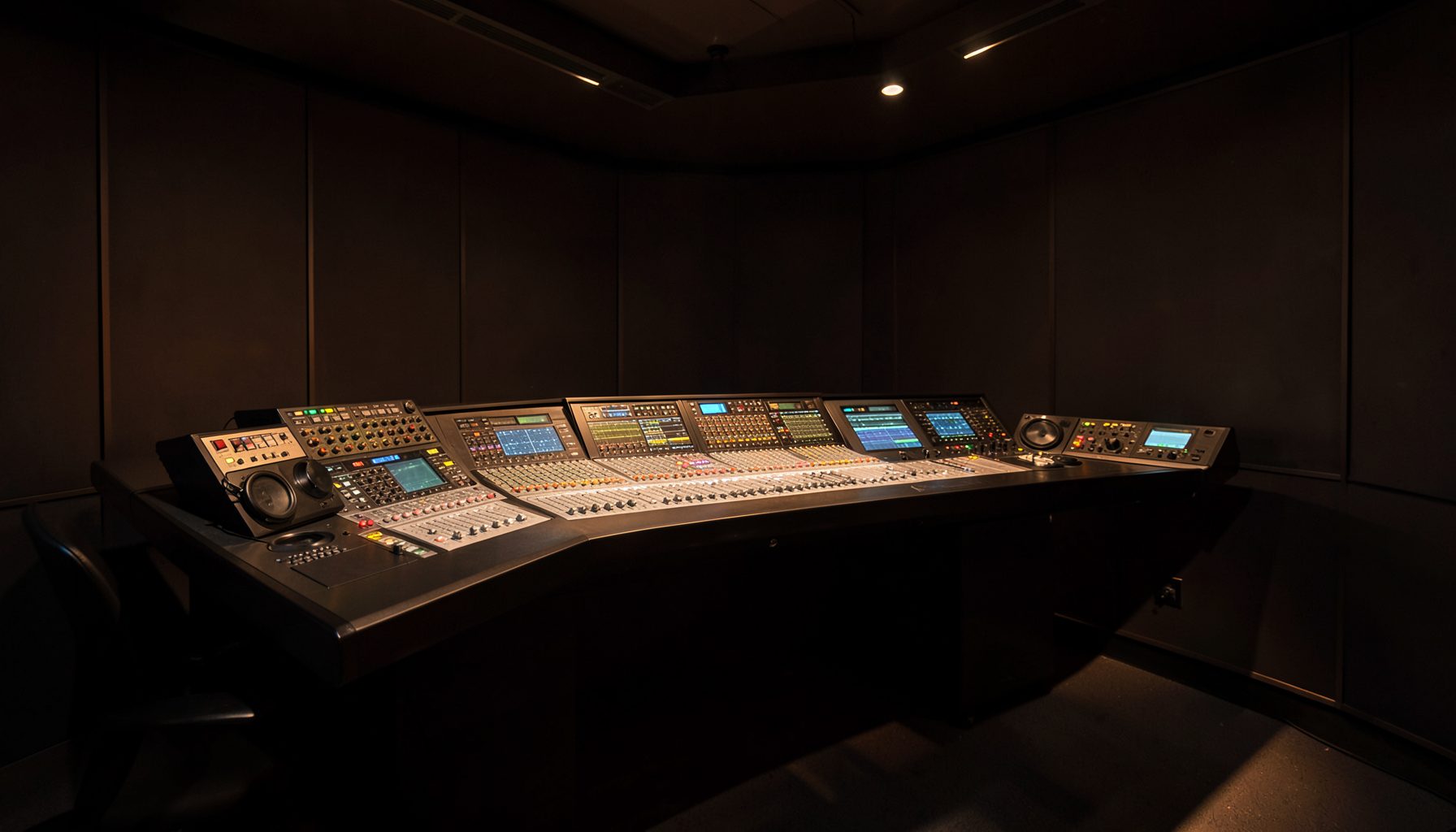
RƎLAY and Power Core: Building a remote radio contribution unit
Building a remote contribution unit with RƎLAY on a laptop and Power Core at the studio keeps the presenter-facing workflow in software and the broadcast-grade endpoint on site. The laptop becomes a controlled source; Power Core handles studio inputs, outputs, processing and routing into the wider broadcast system.
For Australian broadcasters, the approach suits the distances between Sydney, Melbourne, Brisbane, Perth and regional operations. Talent can work from home or on location without carrying a console, while programme mixing, automation and monitoring stay under studio control. It is particularly useful for recurring links, where consistency matters more than one-off simplicity.
Define the contribution workflow
Start with one contributor and one unidirectional programme feed: microphone, pre-amplifier or USB interface, RƎLAY on the laptop, a managed connection, then a labelled Power Core input. Add an approved talkback or programme return only after that path is stable.
At the contributor end, the RƎLAY VRX solution provides the software environment for the remote session. Agree the supported RƎLAY server or gateway arrangement with the broadcaster, then map its delivered audio to the studio endpoint without exposing studio audio networks to the internet.
The studio signal chain uses Power Core as the authoritative endpoint: it receives the mapped contribution, applies agreed processing, sends it to the mixing chain and provides a separate return route. Recording, metering and playout control remain with the established broadcast system.
Prepare the remote laptop
Use a supported, fully patched laptop, with automatic updates and sleep disabled during broadcasts. Prefer Ethernet to venue Wi-Fi, keep the operating system current, and disable automatic screen locking where station policy permits.
For the voice chain, use a balanced microphone connection and a quality USB or network interface. Set gain without clipping, agree the sample rate with the studio, and use wired headphones to prevent feedback. Save separate profiles for each regular presenter and venue.
Treat RƎLAY as an operational endpoint. Use the approved VPN, strong credentials and multifactor authentication where available. Document who may patch the feed, adjust gain or join a session, and keep a spare local profile.
Configure Power Core in the studio
Give each contributor a dedicated Power Core input and output, named for location, presenter and service. Patch the contribution into the show only after its return path is active, preventing a contributor from hearing themselves through studio loudspeakers. Label physical and software paths consistently.
Build a routing matrix for clean feed, processed feed, talkback and any approved programme return. Use the analogue, MADI or AES67 interfaces supported by the station's Power Core configuration. Map only the required contribution channel; do not bridge an internet gateway directly into the wider studio network. Measure any gain, dynamics or limiting.
Keep a spare studio input path, patch cable and power arrangement. Monitor the contribution at the console, in recording and at the playout or transmitter input, helping operators locate faults at the laptop, link or endpoint.
Build resilient links across Australia
Connection quality matters more than headline speed. Business fibre can support a metropolitan contributor site, but NBN plan quality, contention and installation vary across Australia. Outside major centres, test the actual upload and keep a second connection on another carrier; 4G or 5G backup still faces coverage and congestion limits.
Use a managed VPN or contribution service with encryption, access control and a stable studio route. Where the carrier supports it, prioritise real-time traffic, but do not rely on a consumer router alone. Monitor latency, jitter and loss, with alerts that trigger a switch to the backup feed.
Australian schedules cross several time zones. Sydney and Melbourne shift to AEDT, Brisbane remains on AEST, and Adelaide changes between ACST and ACDT. Store bookings, logs and automation triggers in UTC or another agreed standard, while displaying local times clearly and avoiding early cues and missed handovers.
Add talkback, monitoring and control
A production return should serve communication without exposing every mix decision. Route talkback to a dedicated headset or wedge, and decide separately whether the presenter hears live programme audio. Provide a clear local mute and a way to isolate the microphone during troubleshooting.
The RƎLAY session should show when the link is live. Use clear connected, muted and off-air cues aligned with the studio indicator, rather than colour alone. Restrict remote gain changes so a guest cannot accidentally alter the broadcast mix.
Have engineering and compliance teams approve the complete path, including automation, talkback and recording. Australian commercial outlets, the ABC, SBS and community stations must fit contribution feeds into their existing ACMA-compliant playout and monitoring arrangements; the remote unit does not carry that responsibility.
Compare lightweight and studio-backed models
A laptop-only link can suit an occasional interview when the newsroom already supports remote audio. It is portable and quick to redeploy, but each device becomes its own endpoint, clock, security zone and monitoring path.
A permanent RƎLAY and Power Core design moves studio-facing duties to fixed infrastructure. It takes more commissioning, but scheduled contributors gain repeatable routing, talkback and failover, with clear separation between remote access and on-site audio.
| Consideration | Ad hoc laptop-only link | RƎLAY laptop with Power Core at studio |
|---|---|---|
| Audio endpoint | Capture, routing and monitoring remain on each contributor device | The contribution maps to a labelled Power Core input and output |
| Resilience | Depends on the device, power and internet connection | Fixed studio patching, spare paths and a configured backup feed |
| Talkback | Basic local return or software messaging | Dedicated talkback and programme-return routing |
| Scaling | Convenient for isolated interviews | Repeatable for scheduled presenters and multiple contributors |
| Best fit | Ad hoc news gathering | Daily programming, live peaks and specialist contributors |
Commission and hand over the remote unit
Commission the path with the actual presenter, interface and internet service rather than test material alone. Run a full minute of speech, listen for clicks, noise and delay, confirm talkback intelligibility, interrupt each network path, and compare local and studio-return levels.
After acceptance, file the patch details, account owner, backup route, support contacts and approved limits. Keep a spare microphone, interface, power supply and patched laptop ready, especially for regional stations where replacements can take days to arrive.
A two-hour studio commissioning session is the immediate next step: connect one laptop to one Power Core contribution path, complete a timed failover and talkback test, and record sign-off against the real programme route before the first live link.