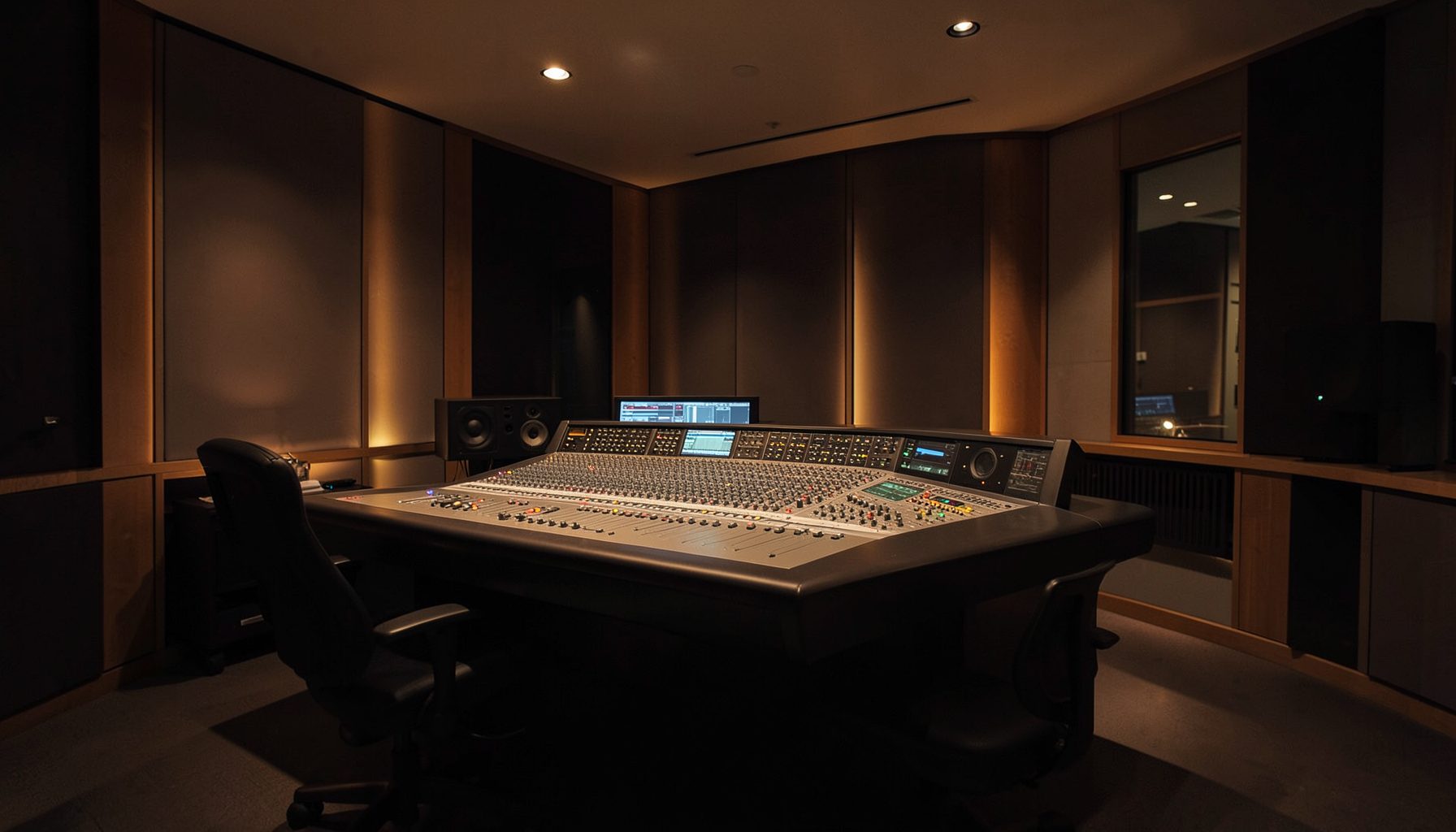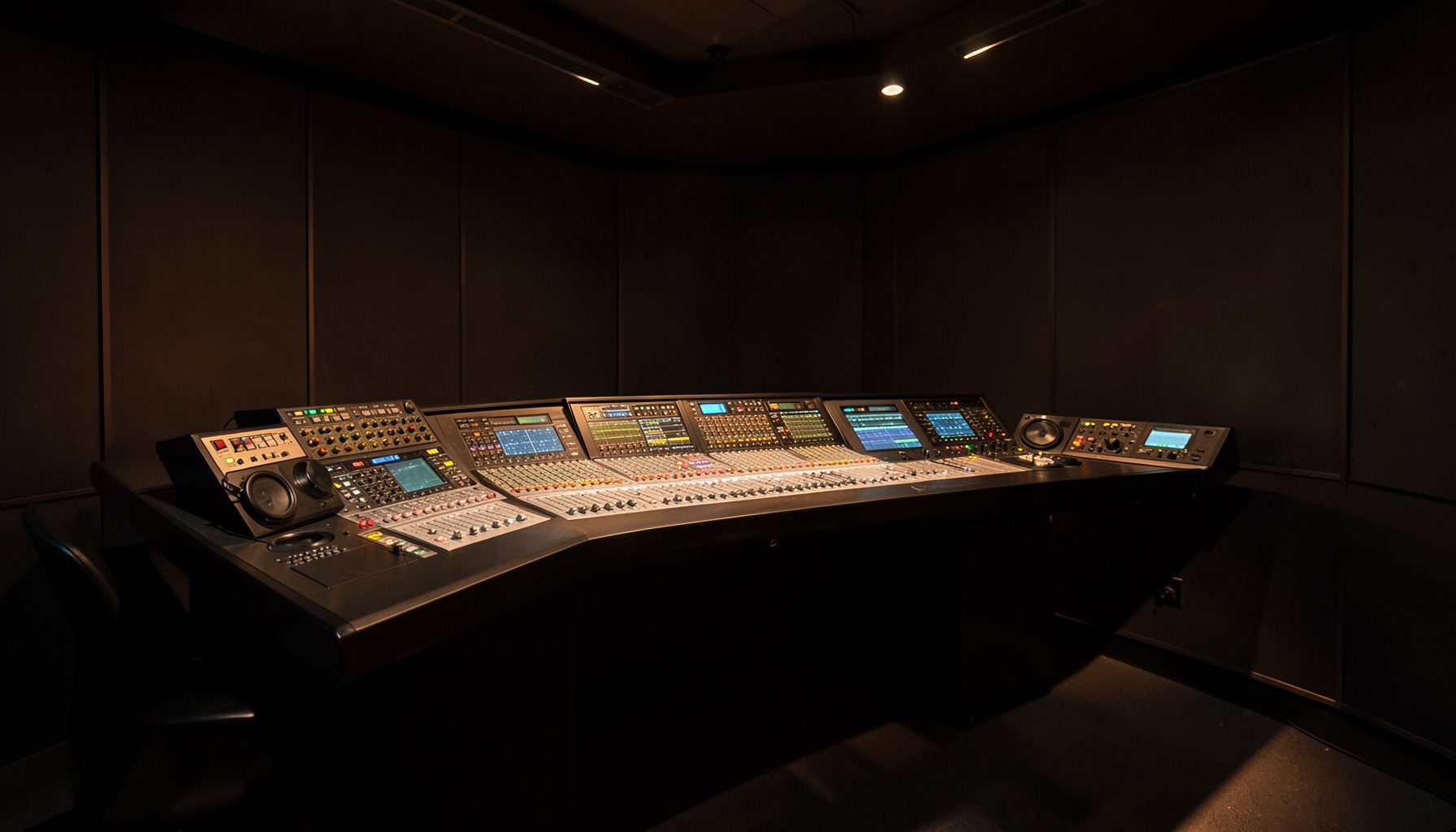
A modular architecture for Ruby and Power Core radio studios
Building a modular radio console setup with Ruby and Power Core gives broadcasters a practical way to match studio hardware to current production needs without locking every function into one fixed surface. The console handles operator control, while the audio node provides processing, routing, and connectivity across the network.
This approach suits stations that need several room types, from a compact news booth to a fully equipped live studio. It also supports gradual expansion, allowing a station to add control modules, microphone inputs, processing capacity, or software tools as its output grows.
Ruby and Power Core are especially useful in networked radio environments because signal paths and control functions can be separated. That makes it easier to centralize resources, share sources, and maintain consistent audio quality between studios.
Start with the studio’s operating model
The first design decision is not the number of faders. It is how people work. A presenter-led studio may need a small surface with microphone control, playout sources, telephone integration, and monitor management. A production room may require more inputs, flexible buses, external effects, and fast access to multiple mix-minus feeds.
Ruby can be configured around these different tasks rather than forcing every room to use the same layout. A station might deploy a compact console in an announcer booth, a larger frame in the main studio, and a software-based control position for occasional or remote production.
Power Core acts as the shared audio infrastructure behind those surfaces. Depending on the system design, it can host DSP resources, manage signal distribution, and connect network audio sources. This reduces the need to duplicate processing and interface hardware in every room.
Design the signal architecture before buying hardware
A clear signal map helps determine which functions belong on the console and which should live in the audio node. Microphone preamps, mix-minus feeds, monitor sources, codec returns, playout channels, and studio-to-studio links should be identified before selecting the final module count.
Networked audio can simplify this process. With an AoIP-based workflow, sources can be routed between Ruby control surfaces and Power Core resources without extensive point-to-point cabling. It also becomes easier to reassign a room for a different production role when schedules change.
The system should include sensible separation between program, clean feed, audition, recording, and contribution paths. Labelling conventions are equally important. Clear names for sources and destinations reduce operator mistakes and make troubleshooting faster when several studios share the same infrastructure.
Match control surfaces to real operator tasks
A modular surface is valuable when every control has a clear purpose. Fader count should reflect the number of sources used during a typical show, with additional capacity for interviews, remote guests, music beds, and emergency feeds. Extra controls can be reserved for expansion rather than filling the surface with rarely used functions.
Ruby can provide a consistent operating experience across rooms while allowing each surface to be tailored. A morning show studio may prioritize fast source selection and presenter monitoring, while a production room may emphasize bus control, recording sends, and detailed routing.
Power Core provides the processing foundation, but operators still need an intuitive view of the system. VisTool can support customized graphical control and monitoring, helping engineers expose advanced routing or status information without placing every function on the physical console.
| Studio requirement | Ruby role | Power Core role | Practical benefit |
|---|---|---|---|
| Presenter-led broadcast | Fader and monitor control | DSP, source routing, mix-minus | Fast operation with clean guest feeds |
| News and interview room | Compact input and talkback control | Codec, phone, and bus management | Efficient handling of live contributions |
| Production studio | Flexible mixing and monitoring | Shared processing and network access | More detailed work without isolated hardware |
| Remote or backup position | Local control surface or software panel | Centralized signal resources | Easier continuity during failures or relocations |
Build resilience into the network
A modular radio console should be designed for service continuity, not simply daily operation. Core audio paths, network switches, power supplies, and control connections should be reviewed for single points of failure. Redundancy requirements will vary by station, but the consequences of losing a central node or network link should be understood before deployment.
Centralized processing can make maintenance more efficient because engineers have fewer independent devices to inspect. At the same time, it creates a stronger need for disciplined network configuration, backup files, documented routing, and access control.
Testing should cover ordinary and abnormal scenarios. Engineers can simulate a failed source, disconnected control surface, lost network path, or unavailable codec return. Operators then learn the correct fallback procedure instead of discovering it during a live broadcast.
Extend the setup beyond the main studio
Radio production increasingly crosses studio, remote, and digital environments. A Ruby and Power Core installation can serve as the foundation for live broadcasts, post-production, theatre applications, and distributed contribution workflows when its routing and control model is planned broadly.
Software-based tools can complement physical consoles for temporary positions and remote access. For example, virtual radio production can add flexible contribution or presentation options without requiring a full traditional console at every location.
Integration with playout automation, recording systems, codecs, intercom, and streaming infrastructure should be considered early. Standardized naming, clocking, and network policies make these connections easier to manage and reduce the risk of isolated workflows that cannot share sources reliably.
Roll out the system in manageable stages
A phased deployment limits operational disruption. Begin with a core studio, validate the routing and control model, and document the configuration before extending it to additional rooms. A successful pilot should test real shows, guest workflows, off-air monitoring, recording, and engineer access.
Training should cover both routine use and recovery tasks. Operators need to understand source selection, monitor modes, talkback, mix-minus, and local fallback options. Engineers should be comfortable with Power Core resource allocation, network audio paths, configuration backups, and software control panels.
Useful planning priorities include:
- Define each studio’s daily role before selecting modules and fader counts.
- Reserve network, DSP, and rack capacity for future expansion.
- Document source names, destinations, buses, monitor paths, and backup routes.
- Test failure scenarios with operators before the system goes live.
- Standardize control layouts where possible while preserving room-specific functions.
A well-planned Ruby and Power Core installation becomes more than a console purchase. It creates a scalable broadcast platform in which control surfaces, DSP, network audio, and software tools can evolve together. Review the station’s room requirements, map the audio flows, and use that design to create a modular radio workflow that is ready for the next production demand.