Bandwidth Management for Critical Audio in Broadcast 3.0
Broadcast 3.0 turns the studio into a software-defined, networked production environment. Audio moves among consoles, audio nodes, virtual tools and contribution links under common management. This flexibility expands routing choices, but makes bandwidth policy part of reliability engineering.
A busy Australian network may carry studio programme, talkback, monitoring, voice tracks, file transfers and voice backup at once. Average throughput can hide pressure: live audio needs predictable latency and jitter, while file traffic arrives in bursts. A routine update may consume margin needed for a live cross.
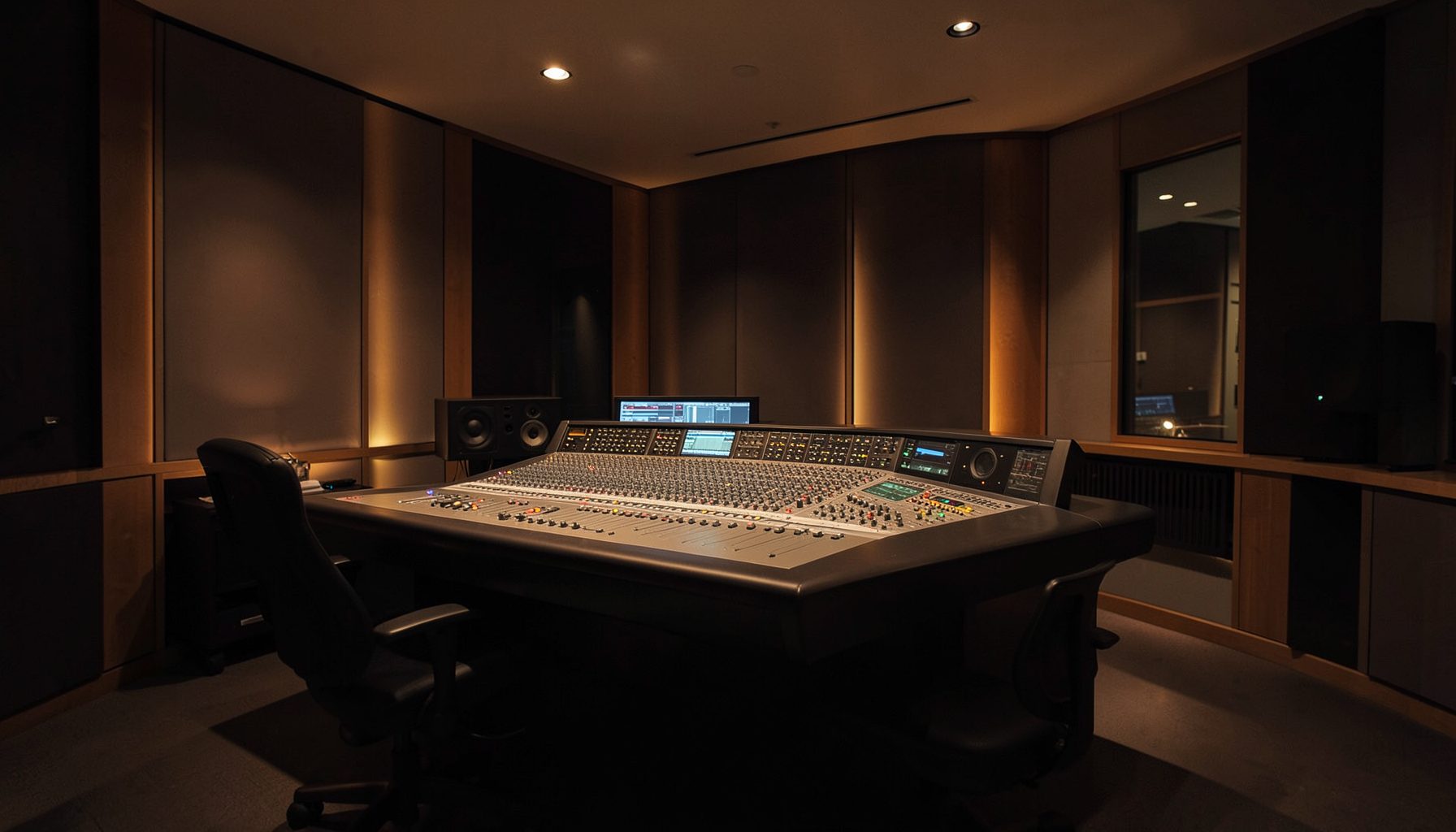
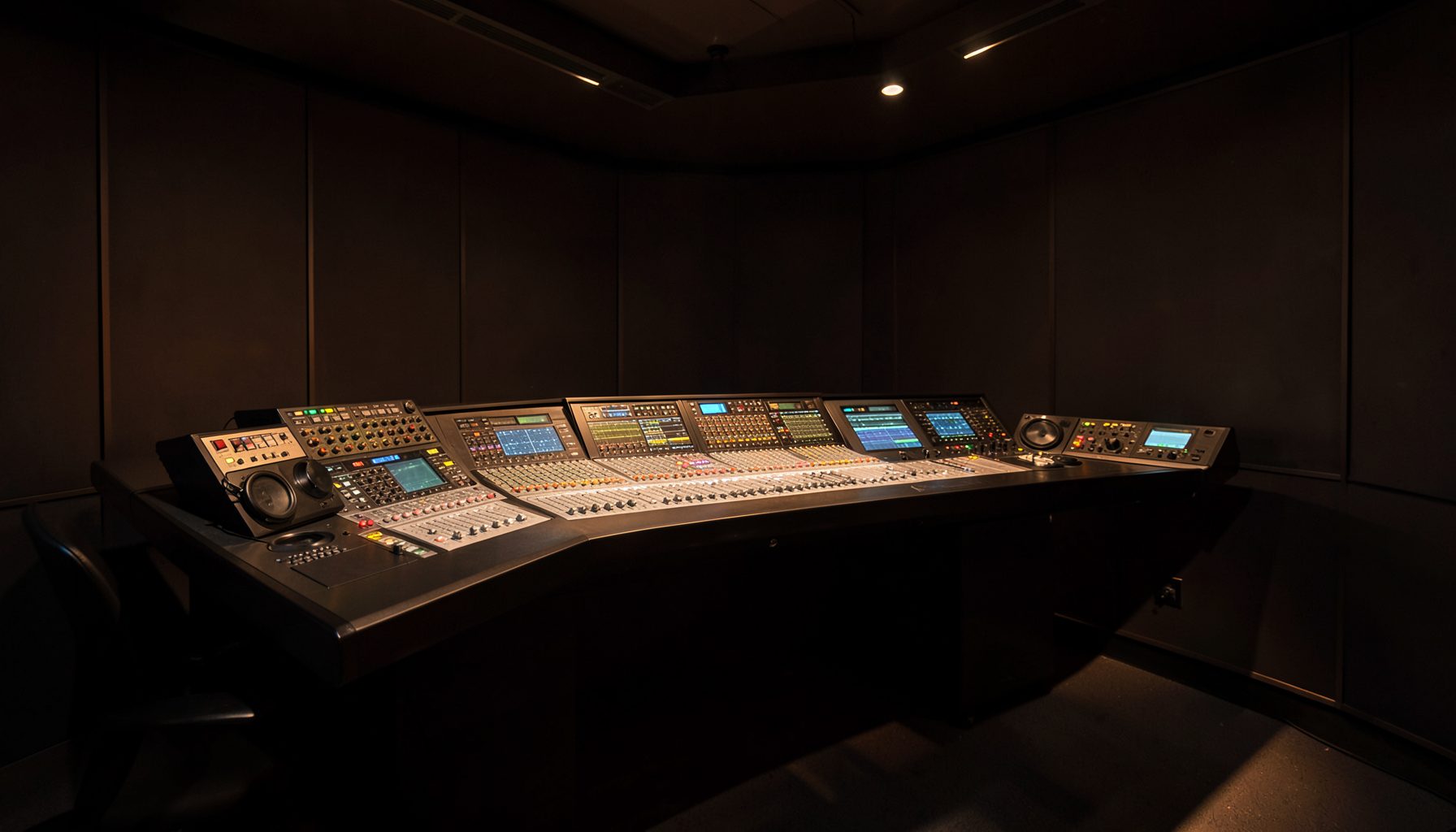
Lawo’s ecosystem reflects this broader model. Ruby consoles, Power Core audio nodes, VisTool studio software, RƎLAY virtual radio tools and AutoMix have distinct roles in networked production. The shared task is to give each service a path, quality level, priority and recovery behaviour.
The aim is not to treat every stream equally. When capacity tightens, programme audio reaching listeners must stay protected, while lower-priority work can wait, reduce quality or fail over. Clear policy, visible telemetry and tested headroom make that outcome repeatable.
Bandwidth Is a Reliability Decision
A bandwidth budget should be built from measured peak demand rather than nominal line speed. It must account for codec bitrate, packet overhead, traffic bursts, redundant routes and the extra load created when a link changes. During failover, duplicated streams can consume more capacity just when it is scarce.
Critical audio is judged by continuity as well as throughput. Packet loss, jitter and late arrival can damage intelligibility or disrupt a timed cross even when average bandwidth appears adequate. Classify broadcast traffic by service value and delay sensitivity, then map it to queues, paths or processing domains where the network allows.
Headroom is the working margin for bursts, maintenance and failures. It should come from observed baselines, not a fixed percentage copied between sites. QoS marking, queue prioritisation and admission control help enforce policy, but they cannot create capacity. They protect the right traffic only when engineers have left the pipes enough room to respond.
Assigning Criticality Before Capacity
The first classification usually separates live programme and contribution feeds from talkback, essential monitoring, routine file movement and administrative traffic. Each class needs an explicit minimum: maximum acceptable latency, tolerable loss, required codec and whether the signal may continue in reduced quality. This avoids relying on a technician’s judgement during a busy morning.
Network policy can enforce classes through endpoint admission rules, queue prioritisation, traffic policing and scheduled transfer windows. File replication and software updates can wait until programme demand falls, while a low-priority stream can be rate-limited before it reaches a live queue. Apply the same map to wireless links, where contention creates local bottlenecks.
Redundancy needs priority as well. If every stream switches to its backup simultaneously, the recovery path can collapse. Health checks, ordered failover and controlled reversion keep the surge bounded, while a protected voice-backup route remains available for a serious studio interruption.
Processing and Routing at the Edge
Processing close to the source can reduce unnecessary transport if the edge is part of the capacity plan. At a translator site, disciplined source levels and local processing can avoid sending every full-quality channel onward. Lawo’s translator processing guidance shows how Power Core can be configured around a low-power FM feed, keeping control near the transmission point.
A useful architecture keeps essential local functions alive when the wide-area link is impaired. Power Core can provide local audio processing and distribution, while the central layer manages consistency and orchestration. This hybrid arrangement limits the damage from a failed contribution path and reduces bandwidth required for remote intervention.
Centralised control should not mean central dependence. VisTool, RƎLAY and AutoMix can support unified production workflows, but operators still need to know which functions survive a lost management session. Designing graceful local operation around them makes the network easier to operate and keeps the strongest services available during degraded periods.
Australian Network Realities
Australia’s geography makes path diversity a practical concern. A Perth hub drawing programme from Melbourne, or a regional Queensland station feeding a remote site, can involve long distances and leased fibre, microwave, satellite or DSL. A speed test may look healthy while latency and jitter vary, so capacity tests should reproduce the real signal mix and expected failover load.
The market also mixes ABC and SBS services, metropolitan commercial networks, community broadcasters and regional operators. ACMA spectrum licensing and the reputational cost of dead air make continuity non-negotiable, while a small team in regional WA may have less on-site support than a Sydney network. Support, spares and remote diagnostics therefore belong in the design.
Australian agriculture offers a useful analogy. Evaluating organic transition costs shows how changed operating inputs should be phased against risk and capacity, not judged only by immediate savings. Apply that discipline to broadcast changes. At the morning-to-arvo handover, crews need to know whether a delayed clip or talkback burst can be allowed without touching the on-air sound.
The Rule That Protects the Programme
A live-ready priority policy should live in configuration and monitoring, not only in an operations manual. Engineers need a readable view of active routes, queue pressure, packet loss, jitter and failover events, with clear thresholds for reducing or suspending lower-priority services. Monitoring should show the effect on audio, not merely utilisation.
A practical policy translates service value into network behaviour and a safe degraded mode:
| Service class | Network treatment | Degraded-mode behaviour |
|---|---|---|
| Live programme and on-air feeds | Highest priority, supported QoS and controlled routing | Retain full quality and shed lower-priority traffic |
| Talkback and coordination | Prioritised managed route | Permit controlled delay while protecting programme headroom |
| Essential monitoring | Secondary service with rate limits | Reduce monitoring views or available channels |
| File transfers and replica updates | Scheduled, capped and preferably off-peak | Pause the transfer and resume it later |
| Emergency voice backup | Pre-provisioned or separately protected capacity | Activate only after a confirmed failure |
The operating rule is straightforward: protect the programme first, give every service an explicit class, and keep enough tested headroom for priority to work under pressure. Broadcast 3.0 makes audio more flexible and distributed, but reliability still depends on disciplined choices about what becomes scarce first. The right audio should still reach Australian listeners when every other service is competing for the same path.