Centralized user accounts across studios with Broadcast 3.0
Australia's radio industry stretches from ARN's stations in Sydney and Melbourne to remote ABC transmitters in the Kimberley. With broadcasters operating across AEST, ACST and AWST, managing who can log in where, and when, is a real headache for engineering teams. Broadcast 3.0 directory services from Lawo treat user accounts as one network-wide resource rather than something recreated inside every studio.
Traditional radio plants grew up as islands, with each console and workstation holding its own user list. A Broadcast 3.0 directory flips that model, letting one authoritative source govern every account that touches the on-air chain. For an Australian broadcaster running news share from Adelaide into a Canberra Parliament House studio, account changes propagate the moment an HR record updates, and the same person can walk into any studio in the network and find their familiar workspace waiting.
What directory services mean in a modern radio plant
A directory service is a structured database of users, groups and permissions that every other system in the building can query. Instead of holding a copy of a producer's profile inside Power Core, the playout engine and the newsroom editor, the directory holds one record and serves it on demand.
Lawo's implementation rides on the same IP backbone that carries audio between studios. RƎLAY virtual radio tools, Power Core audio nodes and Ruby mixing consoles all talk to the directory over standard protocols, so an IT team running Active Directory can plug straight in. For broadcasters looking to align identity with broader organizational practices, the directory becomes a foundation for governance and reporting. A network admin in Melbourne can grant a freelance sports commentator temporary access for Ashes coverage without setting foot in a rack room, and that access disappears the moment the series ends.
Single sign-on across mixing consoles and software tools
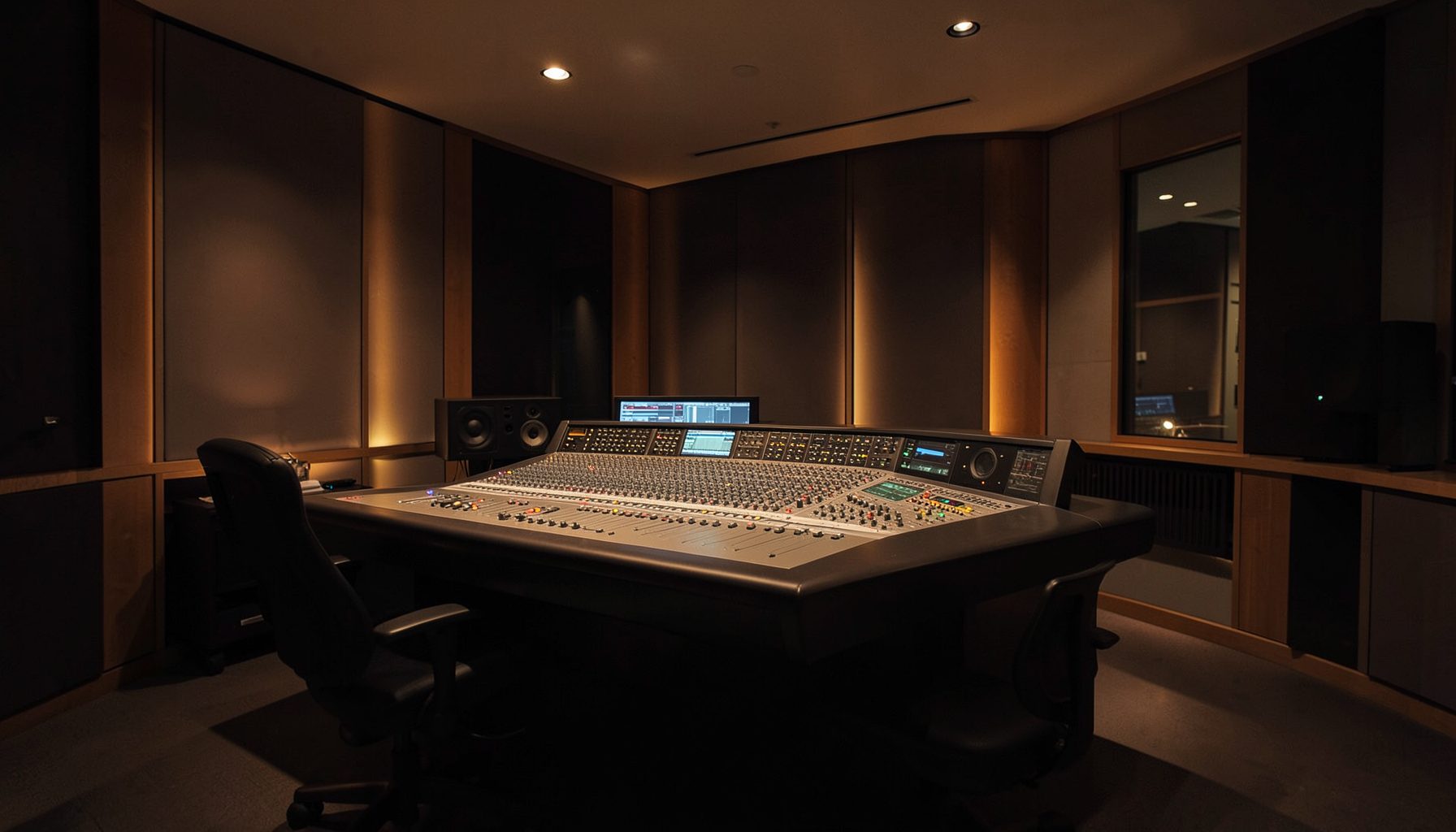
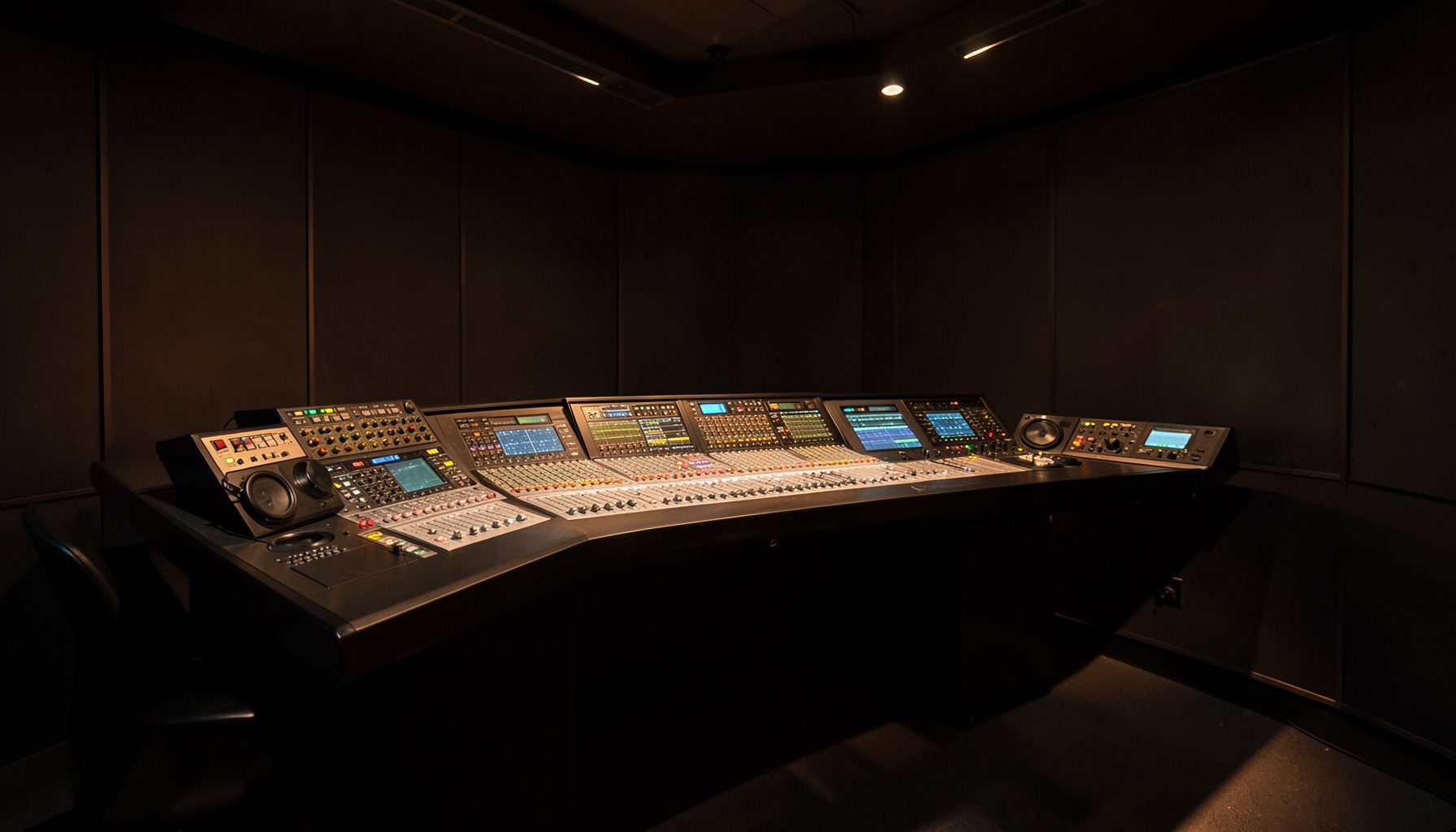
Single sign-on is the feature most Australian operators notice first. With a directory-backed identity, an announcer sits at a Ruby console in any of the network's studios, taps a card or types a PIN, and the surface they see reflects their personal preferences: favourite fader layouts, last-loaded show template, microphone routing and news tally presets.
The same identity travels into VisTool, the newsroom and RƎLAY. Because authentication happens once, a producer juggling a Triple J mid-shift from home and a city crossover no longer juggles three passwords and two authenticator apps. The about page on the Lawo Broadcast site explains how this identity layer fits inside the wider Broadcast 3.0 ecosystem. A community broadcaster in Hobart can give its weekend volunteers a real login, with proper audit trails, rather than sharing a generic account that nobody can later attribute to a particular shift.
Role-based access for production and on-air staff
Roles matter as much as identities. A directory says who someone is and what they are allowed to do. Broadcast 3.0 lets engineering leads define roles such as producer, panel operator, news editor or external contributor, and map them to specific permissions inside every connected device.
A producer at an Adelaide commercial station can edit playlists and trigger cut-ins, but cannot mute the console's output bus. External contributors logging in through RƎLAY to call a Sydney breakfast show are scoped to a single talkback channel. This granularity makes compliance audits simpler when ACMA reviews a station's logging arrangements, since every action in the system carries the identity of the role that performed it.
Time-zone aware operations across Australian networks
Time zones create a unique challenge in Australia. A networked broadcaster with studios in Perth, Adelaide, Brisbane and Sydney must decide whether a scheduled login follows the local studio clock or the head office clock in Melbourne. Broadcast 3.0 directory services handle this by binding user profiles to studio locations rather than global timeslots.
When daylight saving ends in the eastern states but continues in Western Australia, scheduled access windows adjust automatically. A regional announcer in Bunbury whose show crosses the AWST-to-AEST handover does not suddenly lose permissions halfway through a shift. The same mechanism supports the casual workforce that defines Australian commercial radio, letting casual presenters picking up irregular shifts at multiple ARN or Nova stations be granted time-bounded access without a manual ticket.
Integration with automation, playout and AoIP infrastructure
A directory only earns its keep if it plays nicely with the systems already in the rack. Lawo exposes directory information through the same AoIP fabric that carries audio, so Power Core nodes, Ruby consoles, RƎLAY instances and VisTool panels all read the same authoritative source without bespoke drivers.
Integration with third-party automation and playout engines follows standard LDAP-style queries, so existing investments in newsroom systems and music schedulers do not need to be replaced. What changes is the door through which users enter the workflow, not the workflow itself. Larger Australian groups running mixed fleets of legacy hardware and newer software-defined tools find that a directory that bridges both worlds keeps the migration path open rather than forcing a big-bang cutover.
Centralized versus decentralized account management
The trade-offs between the two models become clearer when set out side by side.
| Aspect | Decentralized accounts | Broadcast 3.0 directory |
|---|---|---|
| Account source | Local to each console or workstation | Single authoritative directory |
| Password changes | Touch every device manually | Propagate once, applied everywhere |
| Off-boarding | Risk of forgotten accounts lingering | Immediate removal across all studios |
| Role mapping | Hard-coded per device | Centrally defined and audited |
| Multi-site scaling | Linear growth in admin effort | One entry governs many sites |
| Disaster recovery | Each device rebuilt individually | Roster restored from the directory |
Decentralized models still have a place in single-station operations or air-gapped edit suites, but anything resembling a network benefits quickly from centralization. For an Australian broadcaster running more than two studios, the operational saving from a single directory usually pays for the rollout within the first major staff reshuffle.
The most useful thing to take away is that directory services turn user management from a per-device chore into a per-person record. Once that shift happens, the rest of the broadcast chain behaves like one system rather than a collection of boxes, and Australian operators can spend less time wrangling logins and more time on the content that actually goes to air.