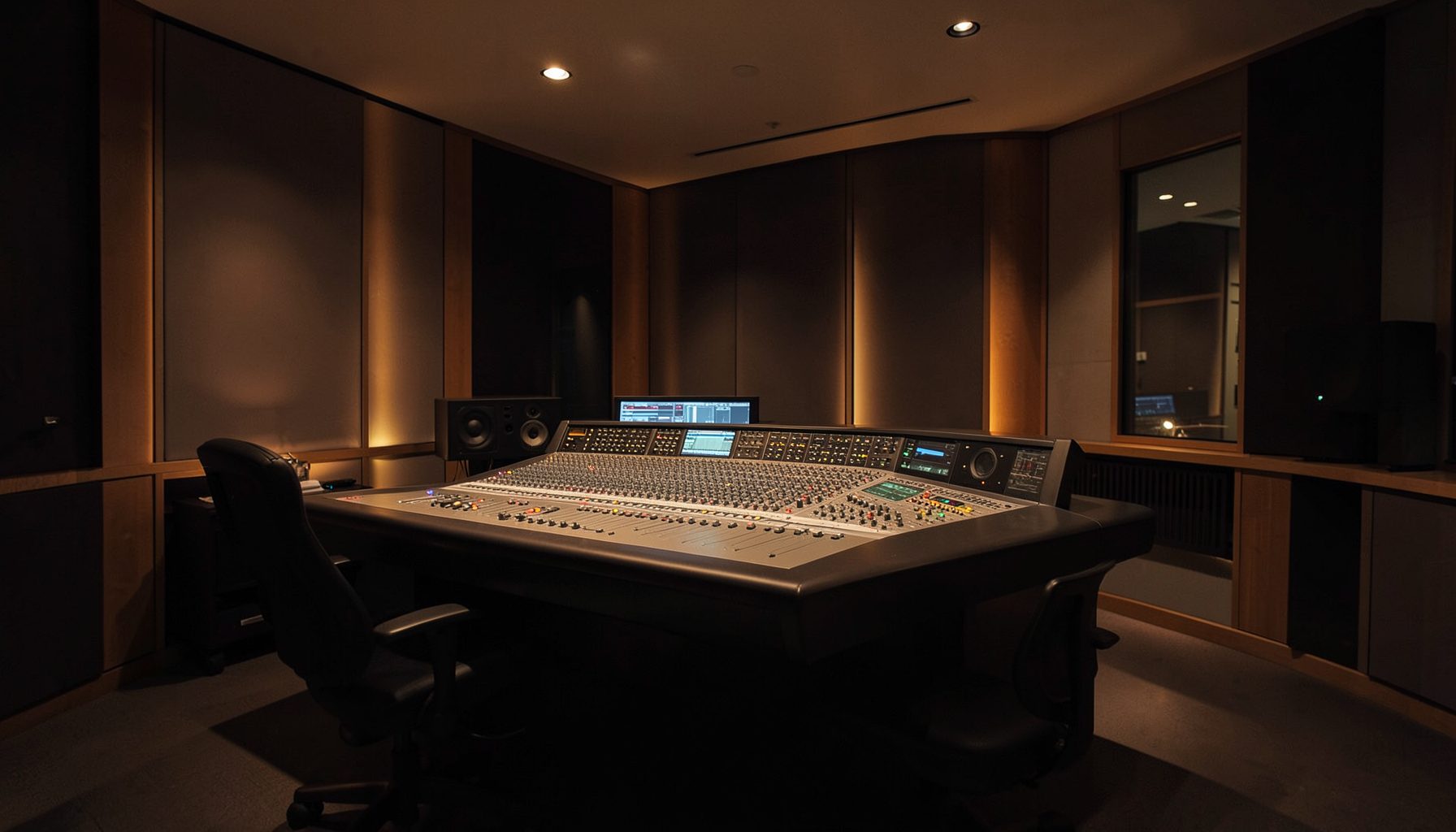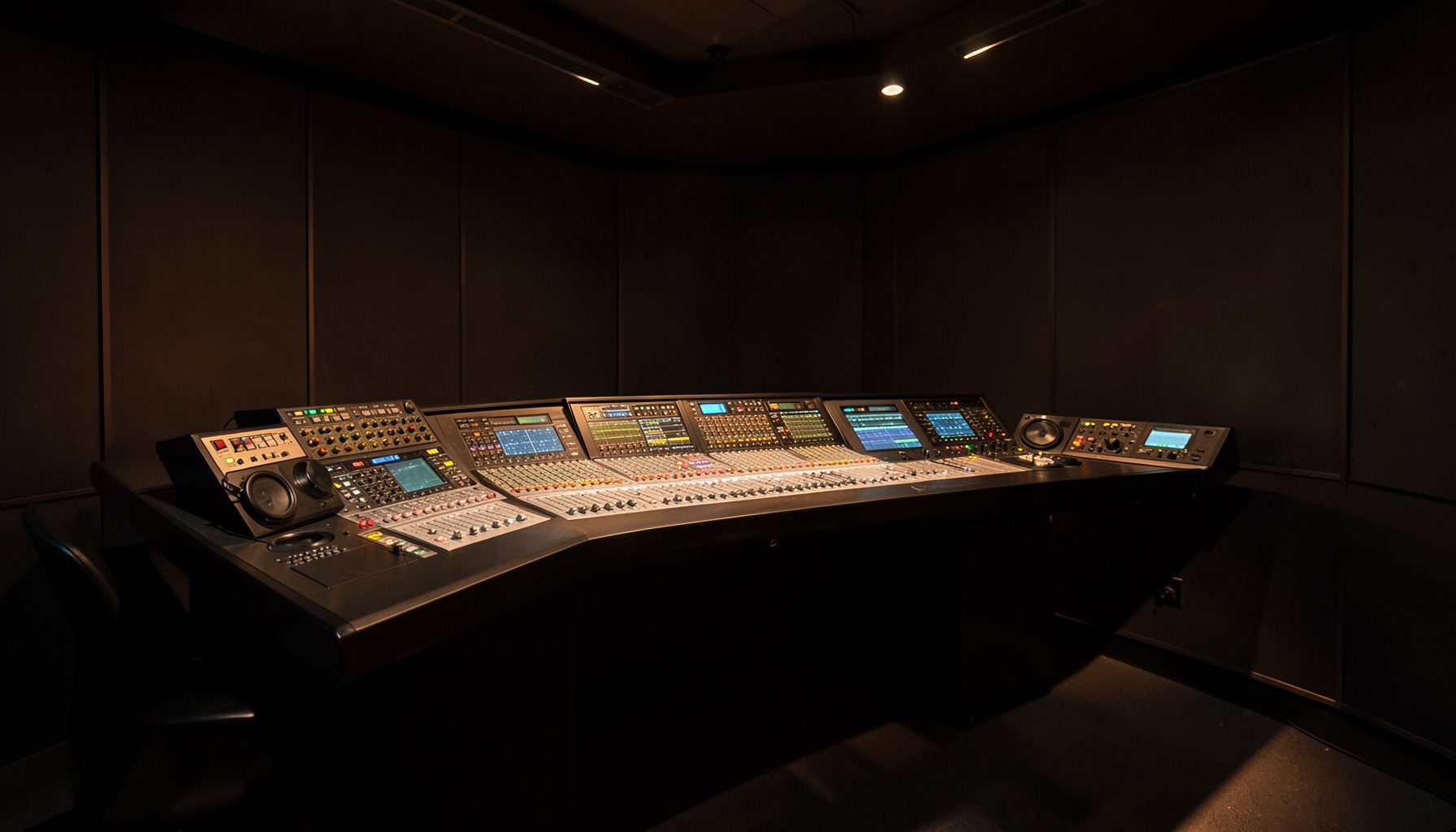
Setting User Gains and Trim in AutoMix Routings
When a radio studio in Sydney or Melbourne fires up for the morning shift, the operator wants predictable fader behaviour the moment a caller, host, or remote contributor comes on air. AutoMix handles the automatic mixing side of that equation, but the way trim pots and user gains are configured upstream still determines whether the console feels transparent or jumpy. Treating gain staging as a deliberate craft, rather than a quick dial-twist, is what separates a polished broadcast from one that the audience notices for the wrong reasons.
For Australian broadcasters running everything from metropolitan ABC studios to regional community stations in Queensland and Western Australia, the AutoMix routing layer often sits between a Power Core audio node, a Ruby mixing console, and a software surface such as VisTool. Calibrating each point in that signal path keeps levels consistent whether the source is a studio mic, an IP codec from a remote reporter in Kalgoorlie, or a phone-in caller routed through a hybrid.
The role of trim and user gain in AutoMix
Trim is the first gain stage after the preamp, fixed at installation or commissioning and rarely touched during a live show. It sets the nominal operating level for each input source so that downstream converters see a healthy signal without clipping. User gain, by contrast, lives on the channel strip and lets talent or the engineer nudge a particular source up or down to taste, usually in 1 dB or 0.5 dB steps.
In an AutoMix environment, every input that the algorithm is expected to weight and gate needs to arrive at roughly the same perceived loudness. If a host mic comes in ten dB hotter than a guest mic, AutoMix will favour the louder source every time, even when the guest is the one talking. Matching trim across the console before the fader is touched is what gives the auto-mixer a fair starting point.
Calibrating trim for different source types
Microphones, phone hybrids, codecs, and playback devices each have very different native output levels. A condenser mic in a quiet Perth studio might deliver a healthy -20 dBFS on speech, while a GSM hybrid carrying a caller from a regional town can arrive at -30 dBFS or lower. Trim should be set so that each source, spoken at a normal conversational level, lands in the same ballpark on the meter before any user gain is applied.
A practical workflow is to have each contributor speak for thirty seconds at a natural pace and volume, then adjust the trim pot until the console meter hovers around the target mark. In AutoMix terms this target is typically the level at which the algorithm's gate opens cleanly without pumping. Doing this once per source, and writing the value into a preset, removes guesswork when the next show starts.
Reference commissioning templates on the LawoBroadcast documentation make this process repeatable across multiple studios, so a network of regional transmitters can converge on the same meter readings without flying engineers between sites.
Working with faders and user gain on air
Faders and user gain are operational tools. They handle the small variations between sessions: a host with a softer voice, a guest who leans away from the mic, or a remote reporter whose codec gain has drifted. Keeping fader positions near unity and applying corrections with the user gain control preserves headroom and makes the AutoMix fader law behave as designed.
Australian presenters often run shows solo or with a single producer, which means fewer hands on the surface during the program. Storing commonly used user gain offsets in scene presets lets the on-air talent recall a tailored mix in a single button press rather than dialling in corrections live.
Comparing common gain approaches
Different stations settle on different ways of allocating gain between hardware and software stages. The summary below sets out four common approaches and where each one shines.
| Approach | Where the gain lives | Best suited for | Watch out for |
|---|---|---|---|
| Trim-only calibration | Hardware trim pots on the I/O box | Studios with fixed talent and stable sources | Inflexible when guests rotate |
| Fader-driven mixing | Faders only, trim left at default | Small live shows with experienced operators | Hot signals reach the AutoMix unevenly |
| User gain offsets | Channel user gain, faders near unity | Rotating hosts, remote contributors, sports coverage | Requires disciplined preset management |
| Hybrid trim plus user gain | Trim set per source type, user gain for talent | Most Australian broadcast workflows | Needs a clear handover between engineering and on-air staff |
The hybrid approach tends to deliver the most consistent results because it separates physical installation decisions from day-to-day show decisions.
Adapting to Australian studio conditions
Local realities shape how gains and trim are set. Studios in Brisbane or Adelaide can see summer temperatures push air-conditioning hard, which in turn affects how loudly presenters project. Outback and regional stations feeding back to capital-city hubs often deal with inconsistent IP link levels, so trim margins need to be a touch wider to absorb codec fluctuations.
Regulatory exposure also matters: the Australian Communications and Media Authority enforces technical standards under the Broadcasting Services Act, and excessive peaks can attract listener complaints or compliance attention. Conservative trim settings, paired with sensible user gain ranges, help keep transmissions inside the limits without sounding crushed.
Australian English pronunciation, with its softer consonants and varied vowel lengths, also tends to sit a couple of dB lower on average than some other English variants, so gain targets sometimes need a small downward nudge compared to international reference material.
Integrating with the wider Lawo ecosystem
Trim and user gain do not exist in isolation. VisTool lets engineers build custom screens that surface user gain values alongside AutoMix activity, so the on-air operator sees exactly how much correction is being applied without diving into menus. Pairing the console with the RƎLAY virtual radio tools suite extends the same gain philosophy into home or remote studios where contributors run their own software mixers.
When contributors log in from a home setup in Hobart or a hotel room in Darwin, RƎLAY carries the same gain-staging expectations, which means the on-air console receives predictable levels and AutoMix behaves as engineered. Investing time in documented presets pays off whenever a new voice joins the rotation.
A practical starting point is to spend two hours this week auditing trim on every input in one studio, logging the values, and building a starter preset library that future shows can call up without guesswork.