AutoMix smoothing speech-to-music crossovers for live DJ handovers
The roughest moment in a radio show is rarely the mix itself. It is the handover: the microphone stays hot while a music bed ramps underneath, or the bed lands too hard and swallows the last line of the announcer's copy. In Australia, where drive shows run long and presenters keep talking well past their rundown, that handover gets stretched further than it would on a tightly scripted network program. Lawo's AutoMix treats the moment as something to be measured and shaped, rather than left to a fader move made at the wrong time. Learn more about Exploring Vistool S Lua Scripting For Advanced Console Automation F8d3.
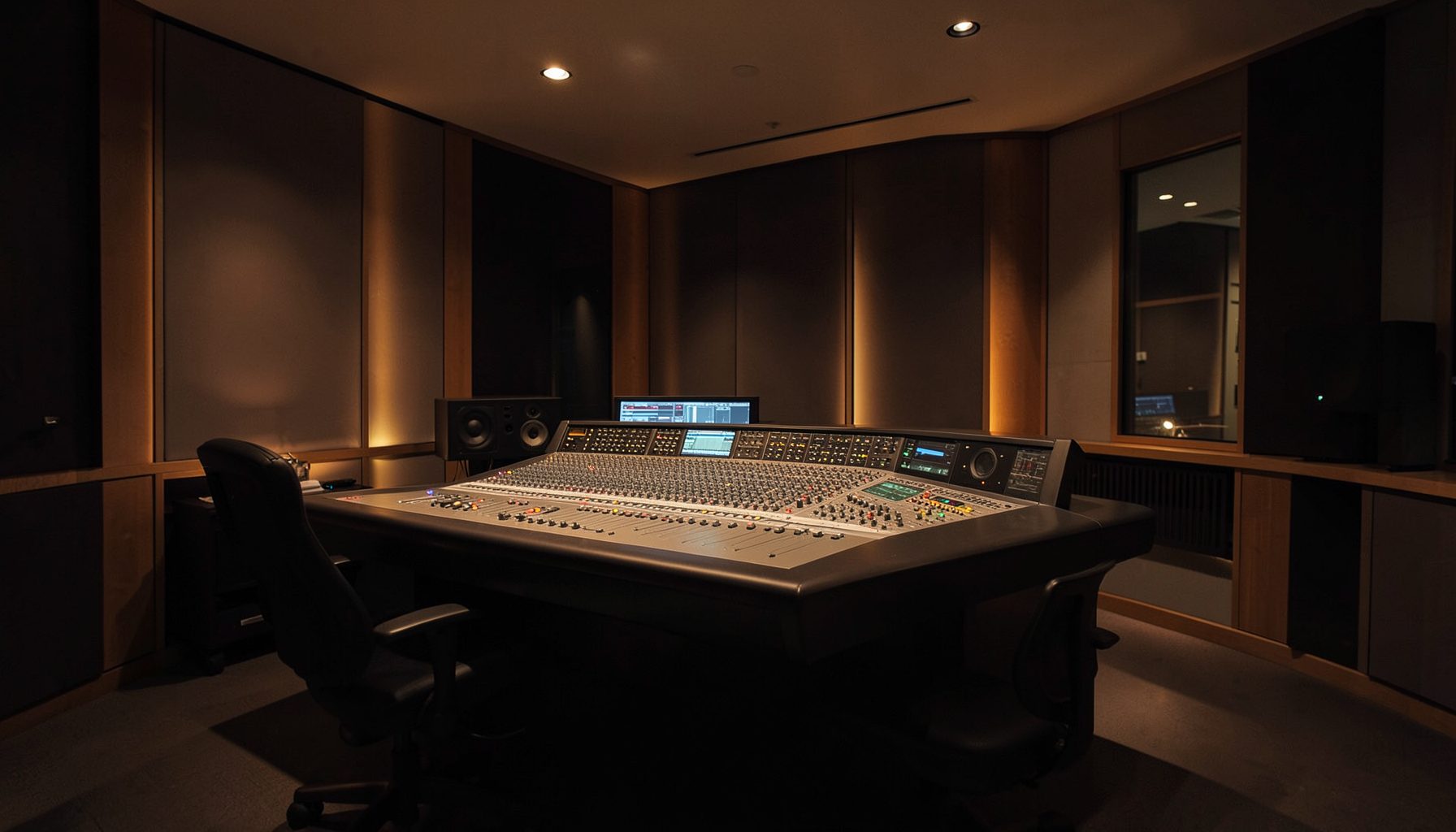
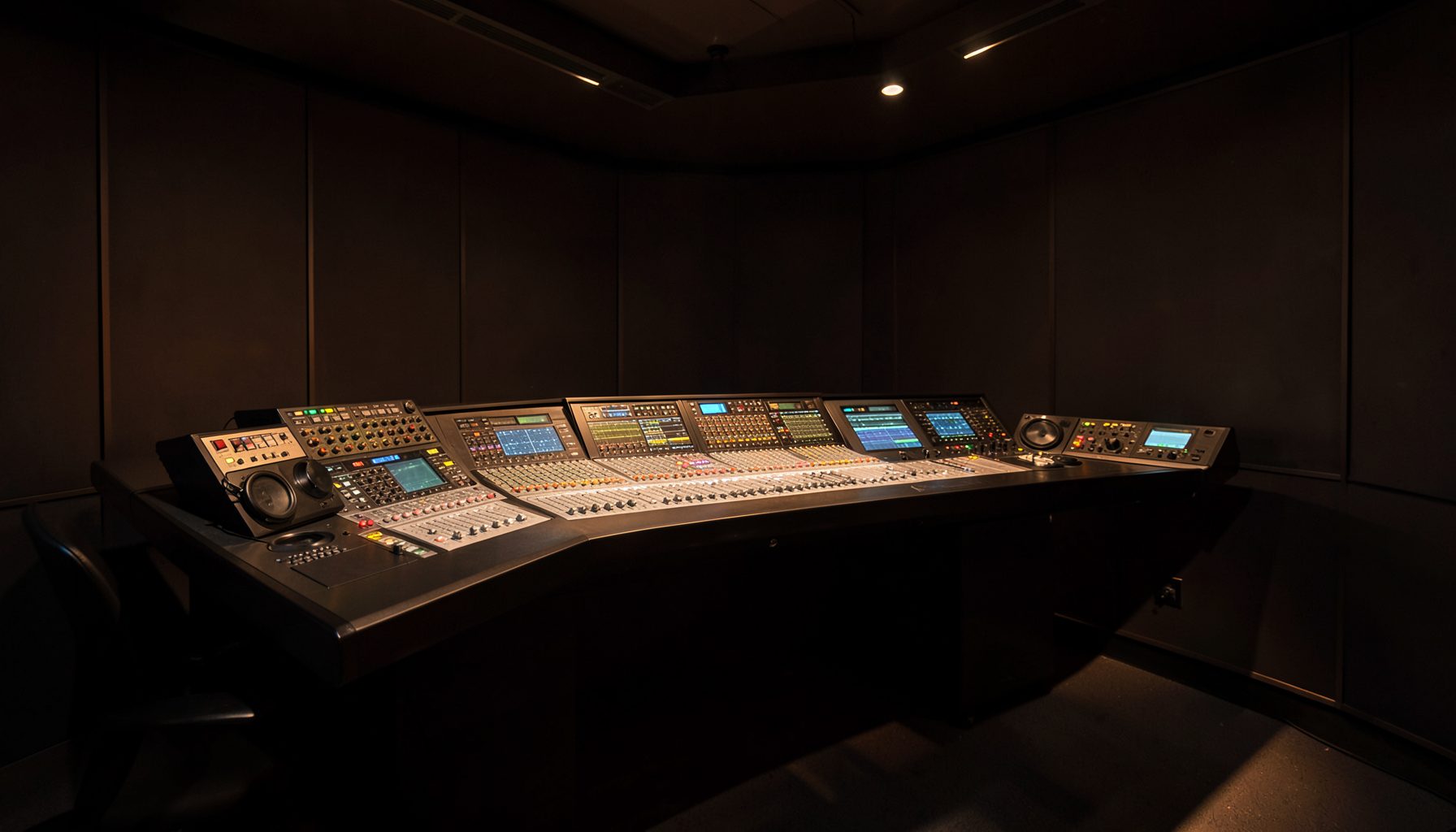
AutoMix sits inside Lawo's Broadcast 3.0 ecosystem, the connected set of consoles, networked nodes and studio software that replaces point-to-point studio wiring with an IP-based signal path. The core idea is straightforward: detect speech, duck the music under it using defined attack and release times, then bring the bed back up on a curve the producer has already chosen. Around that behaviour sit the pieces that make it usable in a real station — hardware that keeps the timing tight, and software that lets a show's own structure drive the fades.
What follows is how the speech-to-music transition behaves under load, what changes when the handover moves from a scripted overnight show to a live drive, and where the practical limits sit for stations broadcasting in Australia.
The handover gap that wrecks a live show
Most crossovers are botched by a fraction of a second. The announcer finishes a sentence, the operator starts the bed, and the two sources overlap without a shared reference, so either the microphone sits on top of the music or the music arrives as a jolt. On a live show the presenter owns the timing; on an automated overnight show a clock does, and a clock cannot know that a sponsor read ran eight seconds long.
Distance makes it worse. A metro station mixes locally, but a regional station in places such as Shepparton or Orange may take its program feed from Sydney and cut local content on the way out, so the bed has to sit under an incoming stream whose arrival time shifts with IP contribution. Work published through the Edge Computing Association on media workflows has pushed much of this decision-making towards the edge, close to the console, because a fade rule that depends on a round trip to a central server will never land on the same millisecond twice.
The practical response is to fix the behaviour once in software and let the show's structure supply the timing. That is the problem AutoMix is built to solve.
What AutoMix measures before it moves a fader
AutoMix watches the speech source and the music bed, and acts on both. When speech is detected, the music is pushed down over a configurable attack time; when the voice bus drops, the bed returns over a defined release. The result is not silence followed by music, but a continuous level contour — a spoken line sitting on top of a bed held below programme level, and a rise that begins the moment the voice clears.
Two parameters get tuned first. Attack has to be short enough that the first syllable is clean and not clipped by the returning bed. Release has to be long enough that the bed does not pump between words, and long enough for a presenter who trails off mid-sentence. A hold time between them stops the bed rising the instant a breath is taken.
Three handover approaches, compared:
| Handover approach | How the transition sounds | Who controls the timing | Setup effort |
|---|---|---|---|
| Manual microphone-to-music crossfade | Depends entirely on the operator's hand; the bed often arrives late or buries the last words | Live presenter | Low, but it differs every show |
| AutoMix speech-driven transition | Music ducks under the voice on fixed attack and release, then rises on a preset curve | AutoMix, with presenter override | One profile per show format |
| AutoMix paired with VisTool automation | Fade times, bed levels and cue points follow the rundown structure | Script and presenter together | Scripting and rehearsal time |
The distinction worth noting is that AutoMix does not try to guess what the presenter wants. It applies a policy, applies it consistently, and leaves a deliberate override for the moments when a policy is wrong.
Consoles, nodes and the software chain
The transition logic only works if timing survives the signal path. On Ruby consoles, fader moves, button presses and scene recalls are captured as data rather than as a physical switch click, which is what allows AutoMix to know what the desk is doing at the moment a voice bus changes state and to avoid reacting to a bus that has been muted but not yet faded.
The audio itself runs out to networked nodes, and Power Core is the piece that carries it. Keeping level control close to the node means the duck lands within a few tens of milliseconds of a syllable, instead of waiting on a second round trip across the network. That margin is the difference between a smooth handover and a visible step in the level.
VisTool is where the policy is edited and rehearsed. Levels are trimmed, profiles are stored against a show rather than a console, and a transition can be tested against a recorded edition before it goes anywhere near air. For stations running remotes or community services, RƎLAY extends the same approach into a virtual radio desk on a workstation, so the handover behaves identically whether it is driven from a physical console or a software one.
Australian station realities
Sydney's Ultimo studios and the commercial networks' drive shows produce long, chatty formats, and Melbourne often runs a second shift of the same program. Presenters speak in a relaxed register — plenty of "arvo", "no worries" and off-the-cuff banter — and sponsors are read conversationally rather than as a flat announcement, so speech is dense and its ending unpredictable. A transition tuned for a crisp news bulletin will sound wrong under that delivery, and a soft duck that suits a solo host will disappear under two people talking over a clip.
The market makes consistency more valuable than cleverness. With FM, DAB+ and streaming all carrying the same show, and trials running in Sydney, Melbourne, Perth and Adelaide, one bed now reaches listeners through three encoders with different headroom and different loudness targets. Regional and community operations — Darwin FM, community services in places like Broome, single-presenter stations in regional towns — often run automated overnight shows and a live afternoon shift. The same profile can cover both, provided it is set per format and per presenter rather than baked into a particular studio.
Time zones add another wrinkle. Overnight automation across three time zones means the handover has to work without anybody in the building watching it, and syndicated material arriving compressed means the bed's loudness shifts underneath the speech that triggers the duck.
Putting the transition into the next rundown
What changes with AutoMix is that the handover stops being a personal skill attached to whoever happens to be on air. The policy lives in a profile, the profile is stored with the show, and the transition happens whether a presenter is live or the show is running unattended.
Human judgement still matters in specific places: the moment after a phone interview, the pause before a joke, the second where a presenter wants the bed to stay down. Overrides handle those, and the mastering of duck depth relative to programme loudness still needs a producer's ear. Getting that number wrong produces a handover that sounds technically correct and feels oddly flat.
The next step is a single session on one drive show: pull the last four recorded editions, replay them through AutoMix with a 300 millisecond attack, a 1.5 second release and a 600 millisecond hold, then mark the two handovers that still feel wrong and adjust the profile only for those.