AutoMix priority override for the director’s microphone
A live production director often needs one short instruction to reach the presenter, stage team or guests without fighting the programme mix. A dedicated headset or talkback microphone can handle that role, but only if its priority, routing and recovery are designed as part of the show—not left to an operator’s reflexes.
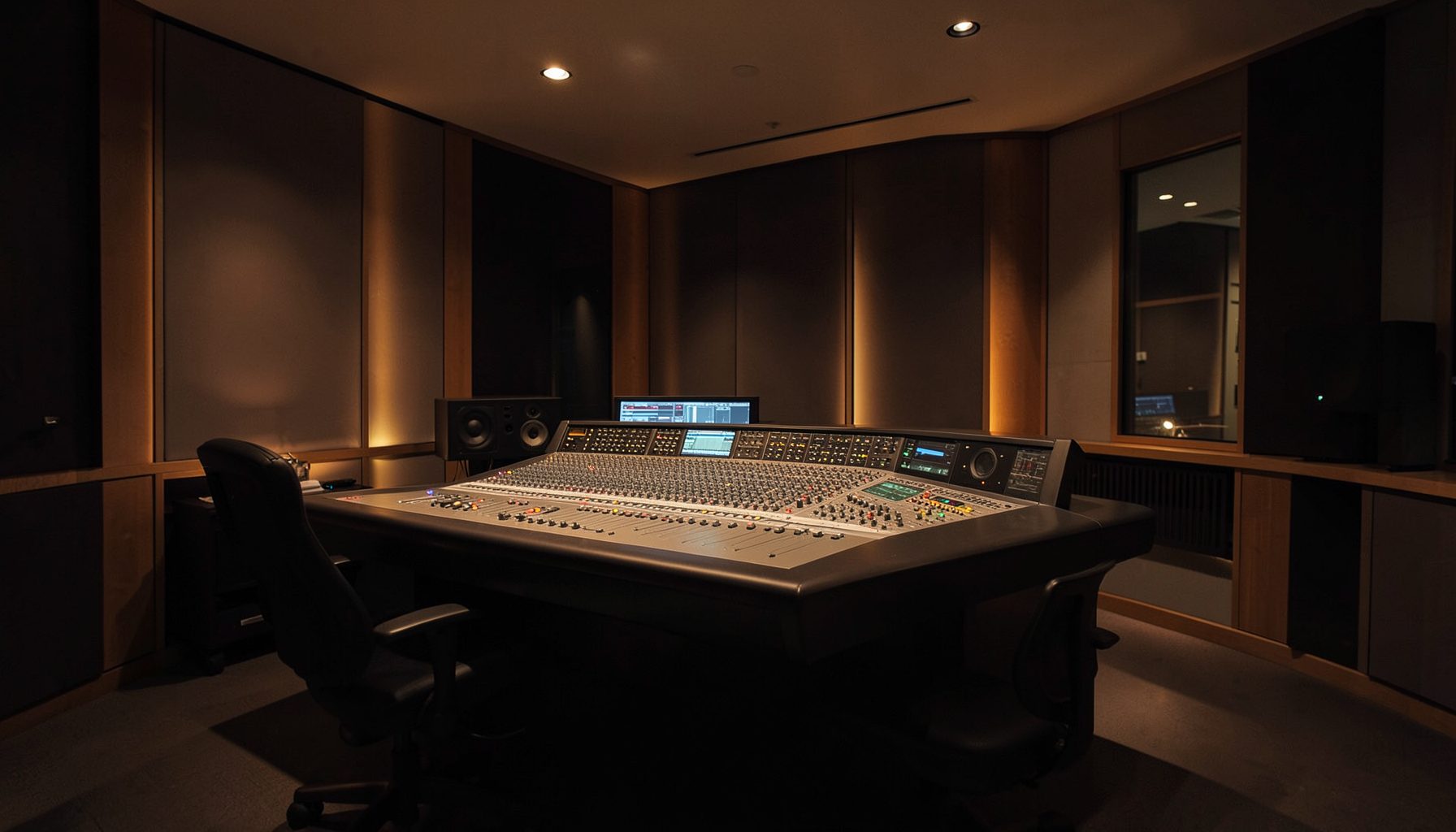
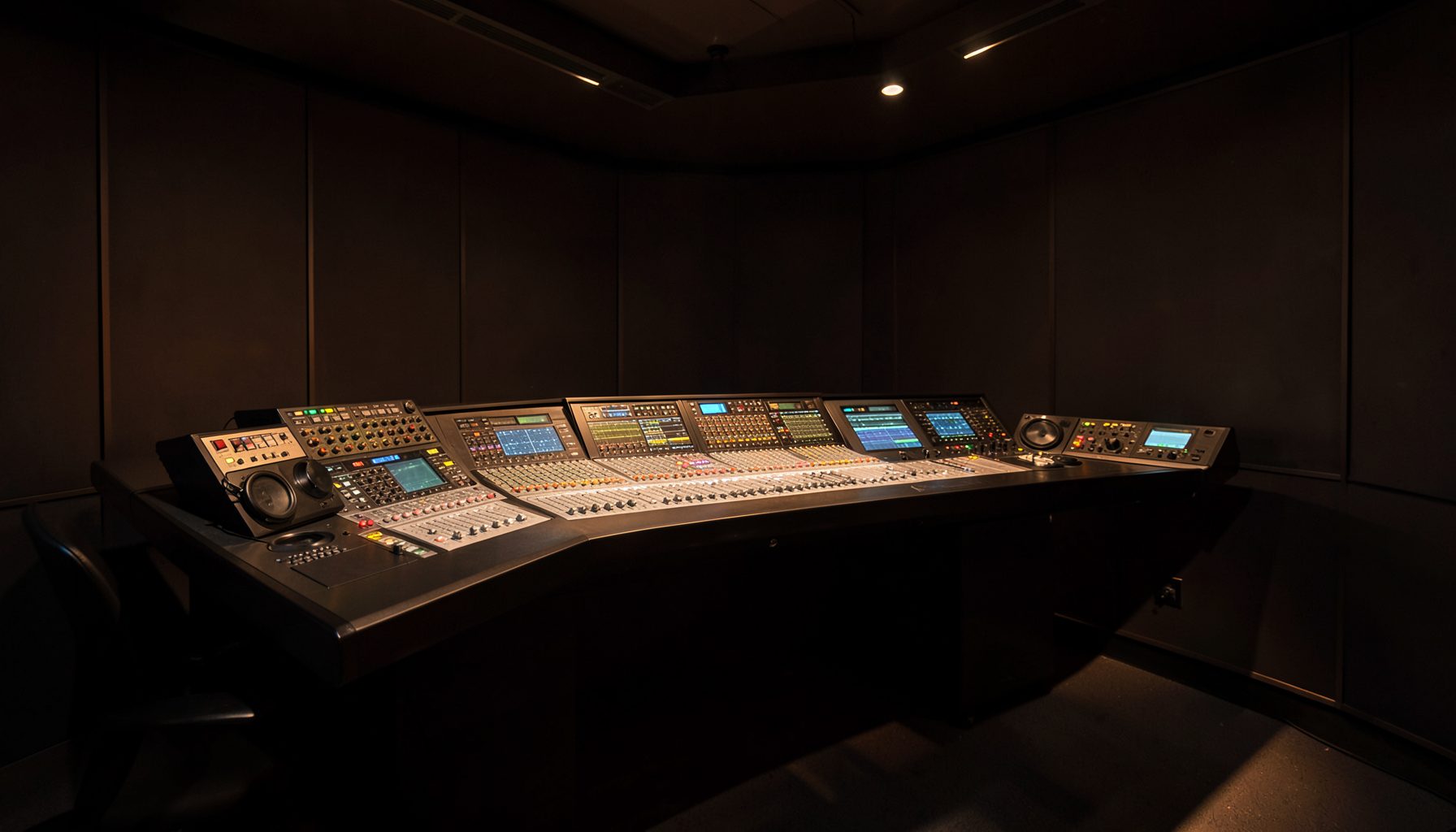
Lawo’s AutoMix provides an automatic mixing layer in which a nominated channel can override lower-priority sources. Used with Lawo audio infrastructure, it gives broadcast, theatre and live-event teams consistent cue handling while preserving separate control, monitoring and programme paths.
The director’s channel is not simply another microphone
The director’s channel is not simply another microphone. Its destination may be talkback, off-air foldback, an IFB feed or the main programme bus, depending on the production. When it shares the programme bus, it must remain intelligible over speech, music or a noisy audience without making every pause in the mix feel abrupt.
A priority treatment also prevents a common workflow fault: one operator raising the director fader while another ducks three talent channels, only for the two actions to arrive at different times. Defining the channel as a higher-level production resource separates the intent—make the director clear—from the mechanical actions required to achieve it.
How the automatic override manages the mix
AutoMix’s Priority Override gives an active director input precedence over lower-ranked sources and applies controlled attenuation to those sources. The result is a short, intelligible window for the cue, followed by a smooth return as the programme mix recovers. This is more repeatable than riding a fader during a fast cue in a rehearsal, panel event or live sports presentation.
The override acts only in the mix where the input is present; it cannot make a cue reach headphones or the on-air output unless that destination is patched. Gain reduction should be tuned around the actual room and programme material. A quiet studio may need modest attenuation, while an outdoor event with a strong crowd and music bed may require deeper ducking and a longer hold. Gate thresholds, microphone positioning and release timing should be tested together so handling noise does not trigger unwanted overrides.
Designing the signal and control paths
A dependable design starts with the capture device and preamp, then follows the director feed through a Power Core audio node or Ruby console, into AutoMix processing and finally the relevant talkback, foldback, monitoring and recording destinations. Keep those destinations separate: a cue meant for the presenter should not leak into public loudspeakers or the recorded programme unless explicitly required.
IP-based shows also need deliberate traffic handling rather than a flat patch. Lawo’s network topology guidance explains how non-blocking AoIP switches can support production, control and management networks without unnecessary contention. Redundant paths, synchronisation and power remain essential because an automatic mix cannot compensate for a missing packet, failed node or unstable clock.
Australian deployments and local constraints
Sydney and Melbourne venue shows often combine stage, studio and corporate feeds on managed fibre, while regional stations around Wagga Wagga, Toowoomba or Townsville may have smaller crews and fewer spare routes. Current carrier and fibre availability must be checked per building rather than assumed from national coverage maps; a local supplier such as Gen Optics SPR can form part of that connectivity verification.
Australian presenters often work in a brisk conversational style, using cues such as “come through” or “stand by” that can sit naturally inside the override. Outside Brisbane, Perth or Adelaide, the physical channel also faces summer heat, dust, wind and transport vibration. A directional headset pattern, solid preamp and clean connector matter before additional processing is applied.
Technical delivery still follows each broadcaster’s ACMA licence conditions and engineering rules, with EBU R128 at roughly −23 LUFS a common radio target. The buying market includes the ABC, SBS, commercial and community broadcasters, production houses, theatres and sports operators, with local integrators often carrying commissioning, tender work and ongoing support.
Rehearsing and controlling the workflow
Set the director channel’s priority, activation threshold, ducking depth and hold-and-release behaviour, then rehearse it against the loudest expected material. Include a headset bump, a whispered cue and a call made over music. Where a Ruby or VisTool workflow is used, the saved show state and operator indication should make it clear when priority is active without revealing technical detail to the talent.
Test both programme and off-air routes. A director cue may need to reach headphones and an IFB without entering the broadcast recorder; a separate production talkback system may still be required for full-duplex crew communication. Confirm that programme audio is not fed back into the director’s microphone path, since priority processing cannot remove acoustic feedback.
Choosing the right control approach
The practical choice is between an operator-driven mix, automatic priority handling and a dedicated intercom system. Automatic control is most valuable when cues are frequent and the priority order is stable. Manual control remains useful for irregular drama, while a separate intercom remains essential when crew need continuous, isolated conversations.
| Approach | Operator action | Live result | Best fit | Main trade-off |
|---|---|---|---|---|
| Manual console ducking | Ride faders and select channels | Immediate but dependent on timing | Sparse cues and irregular productions | Workload rises with every cue |
| AutoMix Priority Override | Set priority and timing in the show configuration | Consistent cue protection with automatic recovery | Frequent cues and stable source order | Requires disciplined microphone behaviour and testing |
| Dedicated intercom | Operate a separate communications matrix | Isolated crew talk independent of the programme mix | Full-duplex production coordination | Additional infrastructure and operational discipline |
AutoMix’s priority override suits productions where the director speaks briefly but must cut through a predictable busy mix. It should sit inside a redundant signal path and a rehearsed operator workflow, rather than substitute for properly engineered crew communication. The next concrete step is a timed, recorded rehearsal with the director channel and two lower-priority sources, with attack and recovery measurements saved alongside the show settings.