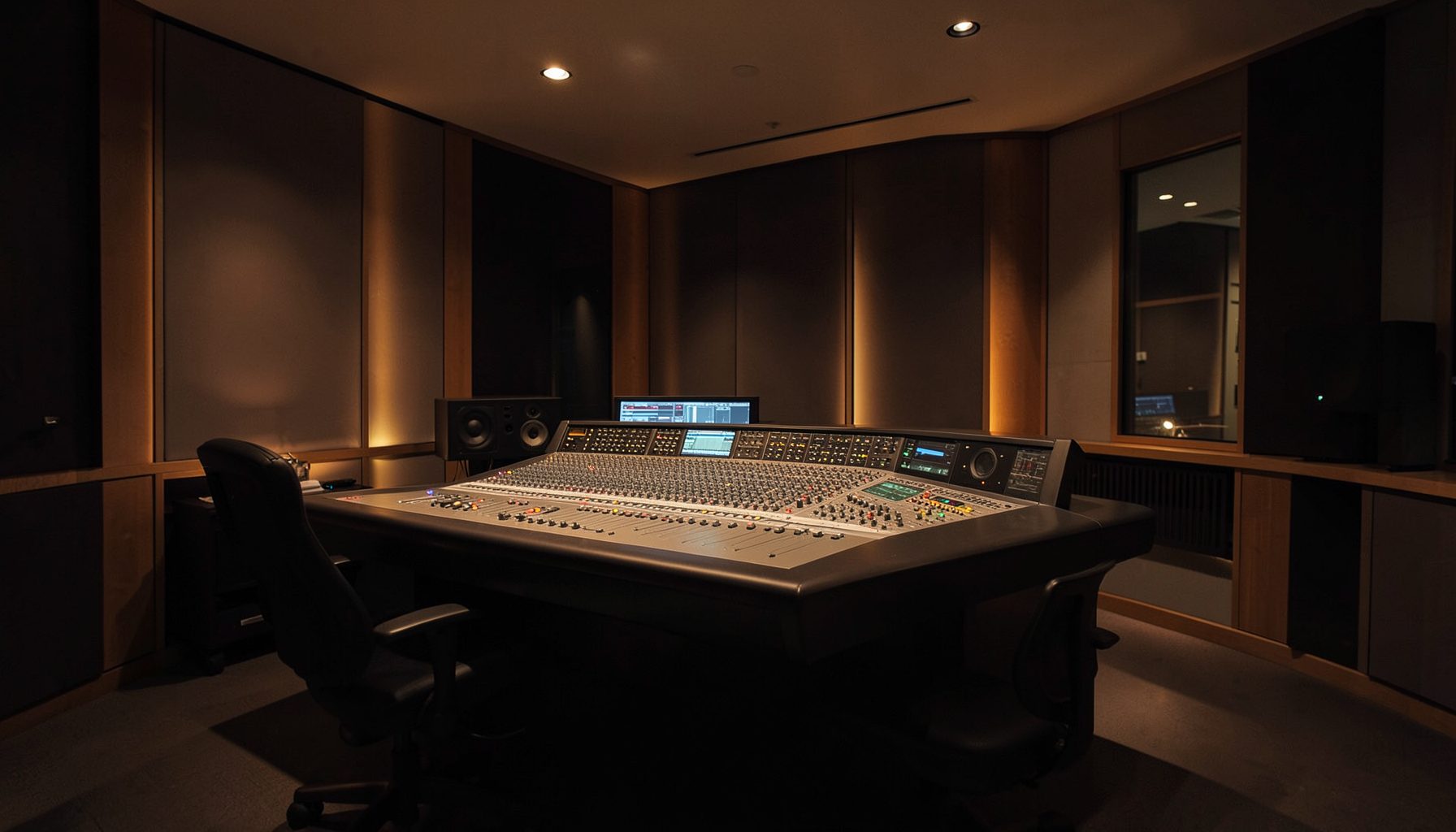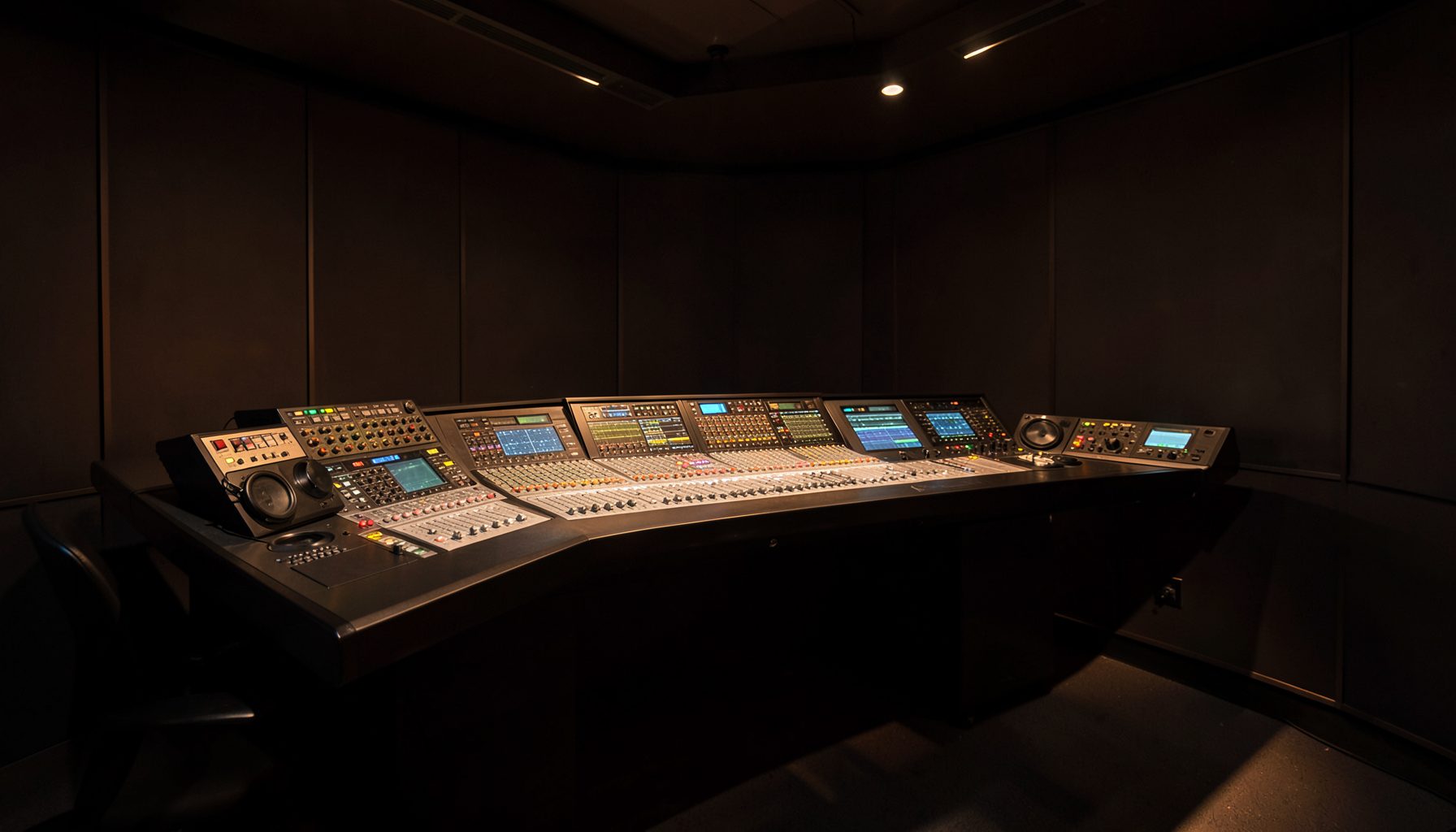
Equalising remote caller levels with AutoMix participant balance control
Remote interviews are now routine in Australian radio, from a breakfast presenter taking calls across Sydney to a regional guest joining from a farm several hours outside Brisbane. The editorial value is clear, but inconsistent caller volume can make a polished programme sound uneven. A guest speaking softly on a mobile phone may disappear beneath the host, while another participant arrives loud, compressed, or close to clipping.
AutoMix’s Participant Balance Control addresses this problem within a networked audio workflow. It helps operators establish a more consistent relationship between contributors, allowing the presenter, producer, and remote guests to remain intelligible without constant fader movement. This is especially useful when a programme combines studio microphones, codec feeds, phones, and software-based connections.
Why remote caller levels vary
A caller’s level is shaped by several factors before the signal reaches the studio. Handset microphones differ significantly, Bluetooth devices can introduce their own gain behaviour, and callers may move between a quiet room and a noisy street. Mobile network conditions can also affect perceived loudness and clarity, particularly for contributors joining from regional areas or travelling between coverage zones.
Studio contributors are usually captured with familiar microphones and controlled acoustic conditions. Remote participants have no such consistency. A guest calling from Melbourne may sound close and present, while another joining from a rural location through a laptop microphone may be distant and reverberant. If both are brought into the same interview without balancing, the presenter must compensate manually throughout the segment.
How participant balance supports a cleaner mix
Participant Balance Control is designed to manage the relative level of individual contributors rather than treating every source as identical. The operator can set a preferred balance between the host, caller, and other participants, helping the mix remain stable as conversational activity changes. This provides a more practical approach than simply raising the quietest channel until background noise becomes obvious.
The control is particularly valuable when several remote voices are present. A producer can establish a usable starting point for each participant, then allow the mix to respond naturally as people speak. AutoMix works as part of Lawo’s broader software and network-based environment, where audio sources can be routed and managed across connected production systems. The AutoMix participant control can therefore support repeatable handling of interviews, call-ins, and panel discussions.
Keeping speech clear during live radio
For a live talkback programme, intelligibility matters more than making every source equally loud. The presenter needs to remain authoritative and easy to follow, while the caller should sit clearly in the conversation without forcing listeners to adjust their volume. A balanced participant relationship reduces abrupt jumps when the discussion passes from studio to remote contributor.
This is relevant to Australian stations working across wide geographic areas and multiple time zones. A network programme produced in Sydney may take a caller from Perth in the afternoon or a guest from Darwin during a national segment. Differences in connection type, room acoustics, and local background noise can become especially distracting when a programme moves quickly between contributors.
Practical use in production workflows
A sensible workflow begins before the caller is live. The operator can identify each participant, establish a useful nominal level, and check how the voice sits beside the presenter. During the conversation, the balance setting provides a stable reference while the automation manages changing speech activity. The producer can still intervene when editorial circumstances require a deliberate level change, such as a caller speaking from a noisy outside location.
This approach also reduces the burden on a small control-room team. Many Australian stations operate with compact crews, particularly outside the major Sydney, Melbourne, and Brisbane markets. A producer may be screening calls, communicating with the presenter, checking timing, and preparing clips at the same time. Consistent participant levels leave more attention for editorial decisions instead of repeated corrective fader rides.
Choosing the right level management method
Manual mixing remains useful when a trained operator is closely monitoring a small number of sources. It can provide detailed artistic control, but it depends on concentration and timing. Fixed gain settings are faster to configure, although they rarely account for differences between callers or changes during a live conversation.
AutoMix offers a middle path: the operator defines the intended participant relationship, while the system helps preserve that relationship as speech moves between sources. The following comparison shows where each approach generally fits.
| Approach | Strength | Limitation | Suitable use |
|---|---|---|---|
| Manual fader riding | Precise human control | Demands constant attention | Small interviews and highly staffed studios |
| Fixed input gain | Simple and predictable setup | Does not adapt to changing voices | Stable, pre-checked contributors |
| AutoMix participant balance | Maintains relative voice levels with less intervention | Still requires sensible setup and monitoring | Live talkback, panels, and mixed remote feeds |
The best results come from treating participant balance as part of gain staging rather than a final repair. Check the presenter’s microphone, confirm the caller’s return path, listen for noise, and set a comfortable relationship before the segment begins. For an Australian broadcast team, that short preparation can make a noticeable difference when callers arrive from a mobile phone in traffic, a home studio in Adelaide, or a regional location using a variable connection.
AutoMix’s Participant Balance Control is most effective when used to establish a dependable conversational hierarchy: the presenter remains clear, each caller is audible, and level changes do not distract from the content. In practical terms, verify every remote source before air, set the intended participant relationship, and monitor the finished mix rather than chasing each caller with the fader.