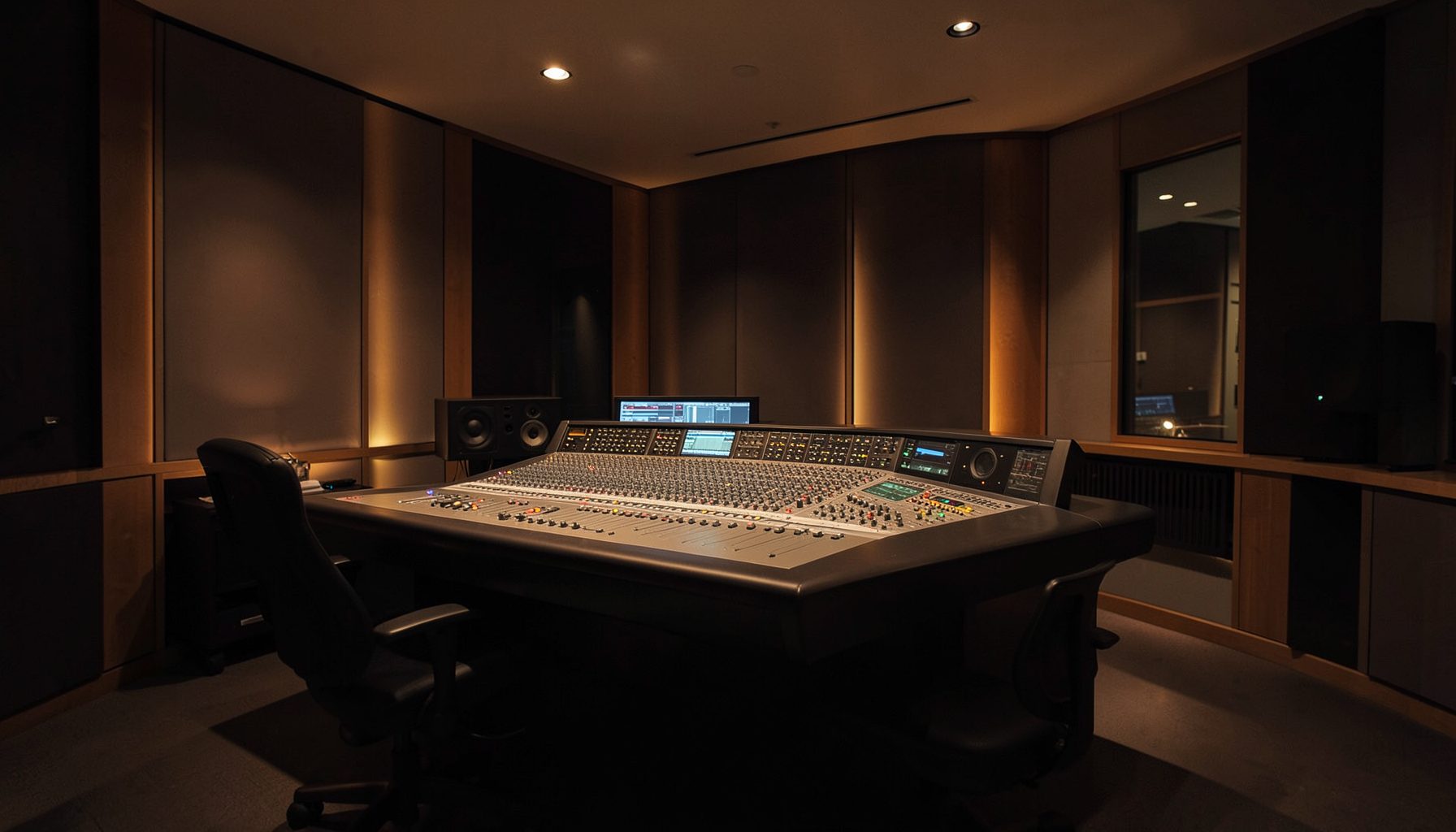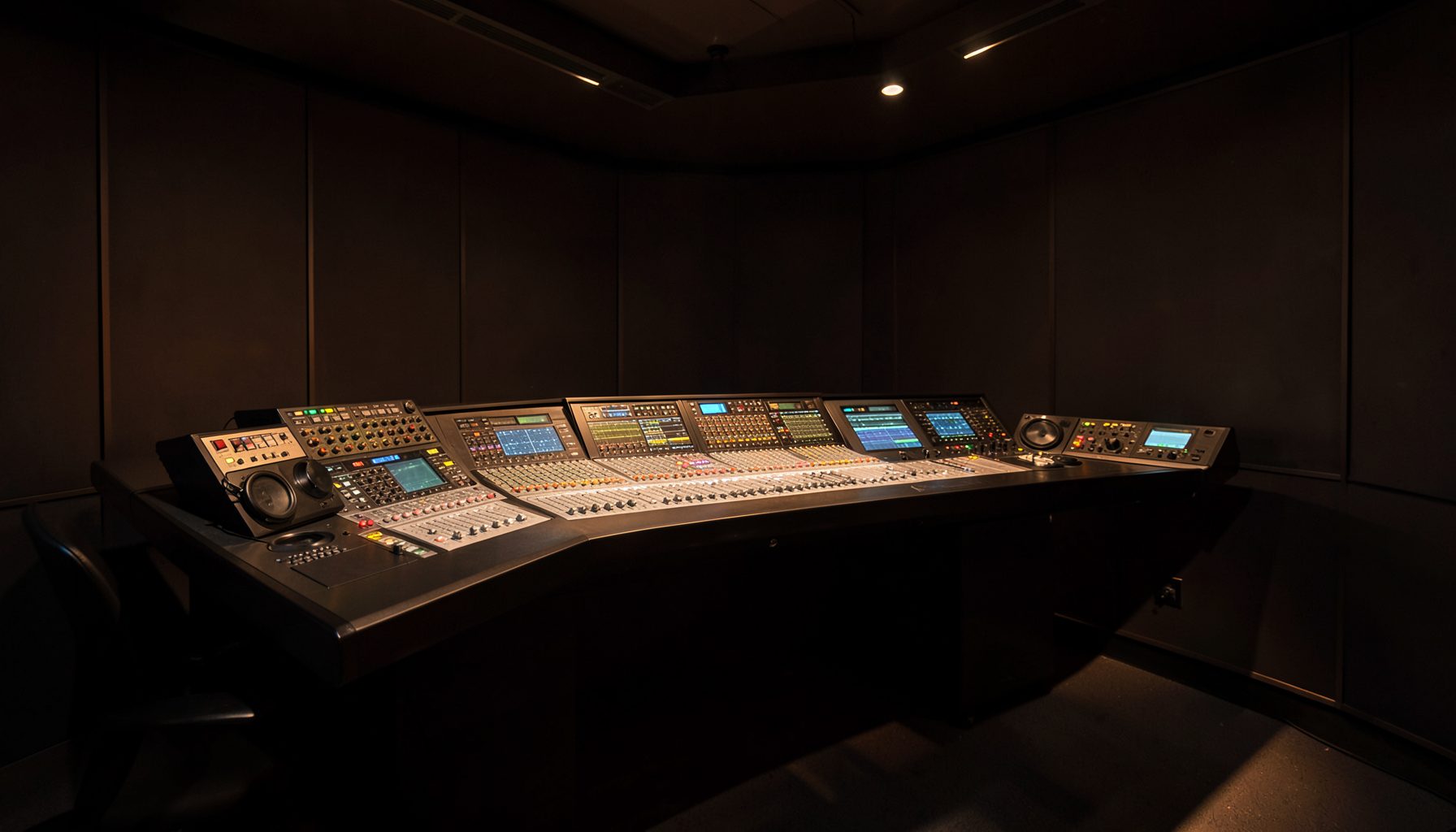
AutoMix Manual Override for a Producer-Controlled Mic Open
During a radio break, a producer may need the studio microphone open for a promo, continuity announcement, traffic report, or live insert while a music bed is still running. AutoMix’s Manual Override Mode turns that deliberate action into a controlled mic-open state instead of waiting for a talk input to trigger the normal automatic mixing decision.
Used in a networked Lawo workflow, the feature gives a producer direct control without abandoning automatic attenuation of unused talk channels. It suits the Australian rhythm of breakfast and drive programmes, where songs, advertisements, news, and presenter links can change within seconds.
Why a break-time mic needs explicit control
Automatic mic mixing is most valuable when several talk sources are possible but only one needs to dominate the studio feed. By responding to source activity and relative loudness, AutoMix can reduce competing channels, keep the intended voice intelligible, and remove repetitive fader movements during a busy show.
A radio break creates a different condition. The producer may want a microphone open without a presenter speaking continuously, perhaps to play a voice track, introduce a network segment, or prepare the next item. Automatic behaviour alone cannot infer that editorial intention, so a separate control path is valuable.
AutoMix forms part of Lawo broadcast technology, alongside production consoles, audio nodes, studio software, and virtual radio tools. Within that ecosystem, manual control can be treated as part of a normal production chain rather than an improvised workaround at the desk.
How the override changes normal mic handling
In standard automatic operation, AutoMix manages talk-channel gain according to the activity and loudness of the relevant sources. Unused microphones are attenuated, while an active presenter receives the appropriate priority. Manual Override Mode gives the producer a deliberate way to take precedence over that automatic decision for the selected input.
The resulting producer-controlled mic open can remain available for the length of a promo, announcement, or live insert. The source still passes through its configured input processing, routing, and metering, allowing the producer to retain normal control over levels without bypassing the wider signal chain.
The override should not be confused with a separate music-ducking command. Whether the music bed ducks, pauses, or continues is determined by the playlist and routing configuration. Once the producer completes the item, the system can return to its configured automatic behaviour, with the transition rehearsed to avoid leaving the microphone unexpectedly open.
Keeping the producer mic safe and intelligible
Clear state feedback is essential. The producer should be able to see which microphone is live, confirm that the override has been accepted, and recognise when automatic control has resumed. An on-air indicator, console lamp, software status, or talkback cue can help prevent accidental announcements from being captured.
Correct gain staging and monitoring remain important when a microphone is opened over programme audio. The producer should check for feedback, room noise, clipped peaks, and unintended contributions from other talk sources. Headphone or confidence monitoring can provide an additional check before the signal reaches the broadcast chain.
A preventive mindset is useful here in the same way it is in preventing boiler scale: address a small source of degradation before it compounds into a larger operational fault. The same principle applies to mic state, routing, and level discipline.
Integrating the override with studio automation
A broadcast workflow can combine AutoMix with Ruby mixing consoles, Power Core audio nodes, VisTool studio software, and RƎLAY virtual radio tools. This creates a path from physical studio controls to software-based production and networked audio, while allowing the producer to choose the most appropriate operating surface.
VisTool’s MIDI and OSC integration with third-party broadcast automation is relevant where the producer already uses playlist, traffic, or playout software to manage a break. Compatible commands can coordinate cues and operating states, provided their functions and timing are tested together rather than assumed to behave identically.
The control design should maintain a clear source of truth for mic status. A visible override state should agree with the mixer, automation system, and on-air indicator. If a command is lost or a network service becomes unavailable, the studio needs a predictable fallback that prevents an open microphone from being mistaken for a closed one.
Designing a dependable Australian station workflow
In Sydney and Melbourne, producers may move between commercial networks, community stations, and educational operations with different production conventions. The override workflow should therefore be easy to explain, consistent across control positions, and adaptable to shows with dedicated producers as well as stations where one person handles several roles.
Regional stations in western and northern Australia also face practical constraints involving distance, remote contribution, and limited specialist staffing. Consistent microphone behaviour can simplify training and maintenance, but remote links still need clear status reporting and a local means of confirming that a producer has opened the intended channel.
Australian stations must fit the workflow within their obligations under the Broadcasting Services Act 1992 (Cth), relevant ACMA licence conditions, and approved operating procedures. Rehearsal should cover automatic operation, manual override, return to automatic, loss of automation, and emergency closing of the talk mic. Recording a short test around the studio’s busiest periods can expose feedback and level problems that remain hidden during quieter tests.
The point to remember is that Manual Override Mode gives a producer an explicit route to open the intended talk microphone during a break while automatic mic management continues to govern ordinary transitions. With visible status, deliberate routing, and a rehearsed fallback, producer-controlled mic opens become predictable without treating automation as an obstacle to live control.