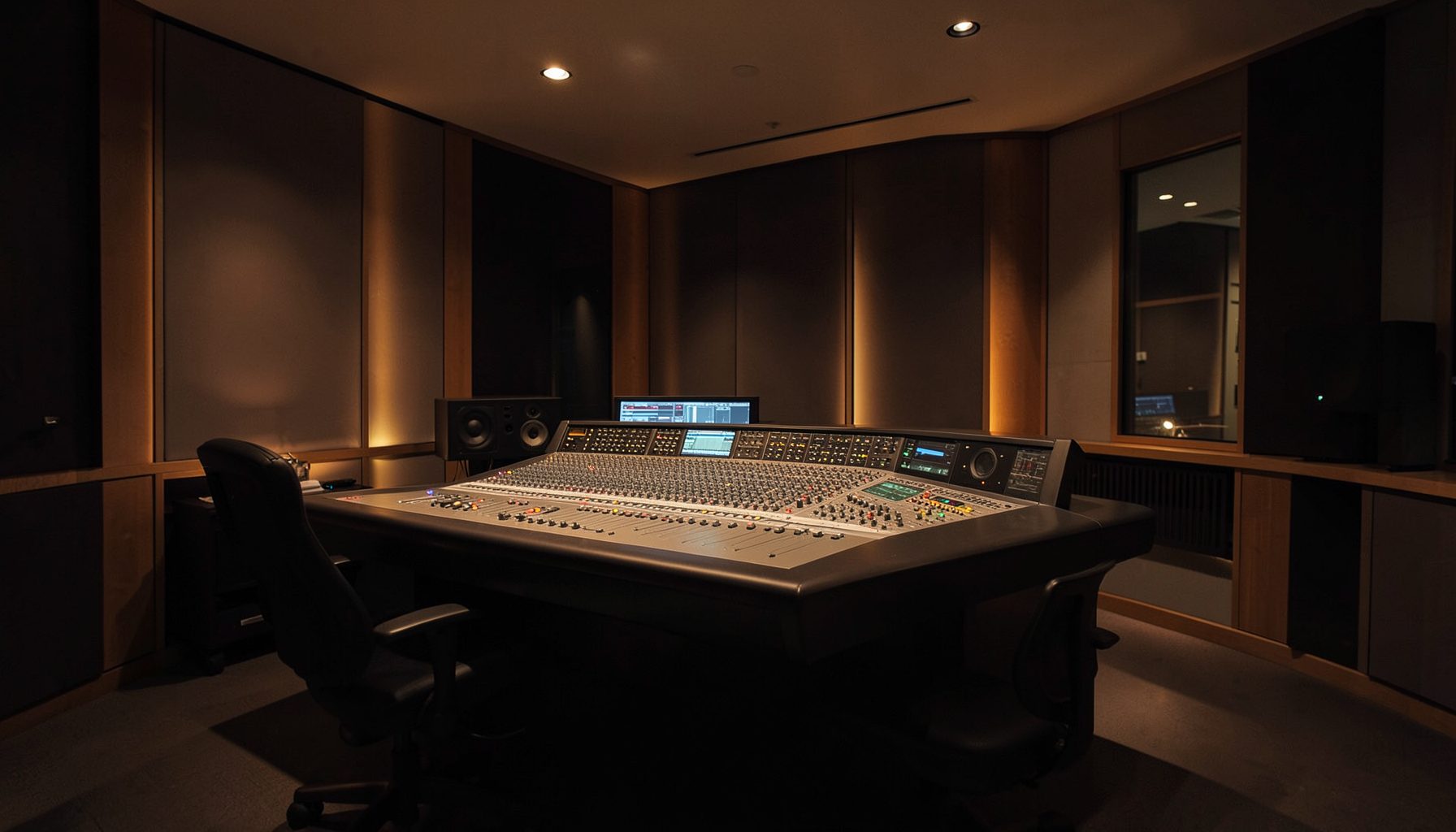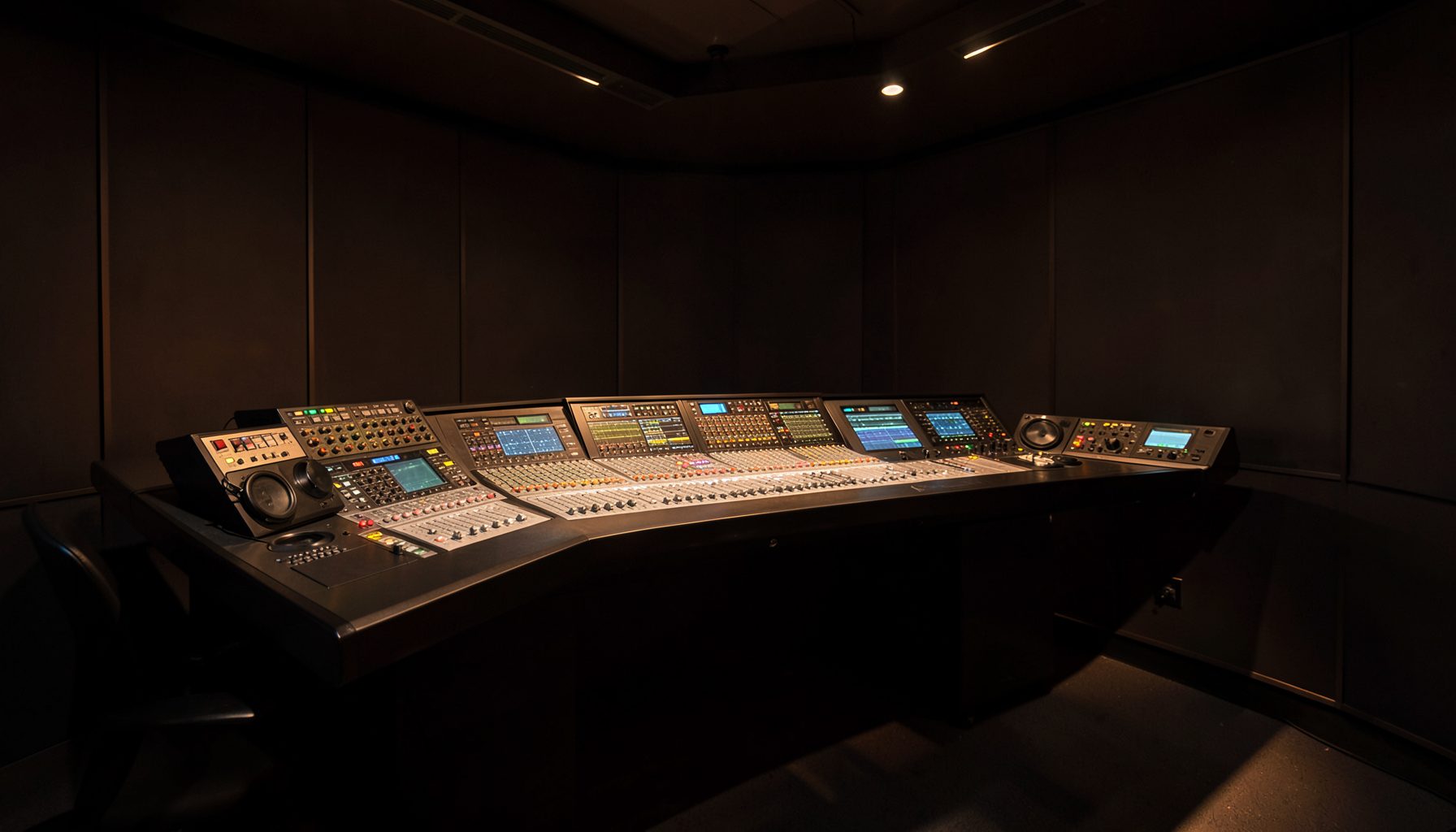
Balanced Dual-Host News With AutoMix Gain Sharing
A two-presenter news programme sounds effortless when both voices remain clear, stable and naturally connected. In practice, two microphones compete for the same acoustic space, especially when presenters interrupt, read alternate paragraphs or react to breaking news. Small changes in distance and delivery can quickly make one anchor dominate the mix.
AutoMix gain sharing provides a controlled way to manage that relationship. Rather than treating each microphone as an isolated channel, it continually balances the active speech paths so the combined level remains consistent. The result is a cleaner dual-anchored programme with less fader riding and fewer distracting level jumps.
This approach suits Australian radio, where a breakfast bulletin may move quickly between studio presenters, newsroom updates and outside contributors. It is equally useful for networked production teams working between Sydney, Melbourne, Brisbane and regional studios, where consistent operation matters across different rooms and presenters.
Why Two Voices Need Shared Control
When both hosts speak at once, ordinary automatic gain control can raise or lower each microphone independently. That may produce pumping, doubled room tone or a level shift whenever one presenter leans towards the microphone. Manual mixing can solve the problem, but only if an operator anticipates every exchange.
Gain sharing treats the microphones as part of one speech group. When the first host speaks, that channel receives the appropriate priority while the second channel is reduced smoothly. When both speak, the available gain is distributed between them rather than allowing the overall mix to become unnecessarily loud.
The process does not need to make the programme sound heavily processed. Correctly configured, it keeps both presenters present and intelligible while preserving enough overlap for natural conversation. This is particularly valuable for rapid news links, where a hard cut or obvious ducking can make the exchange feel artificial.
Setting Up AutoMix For Two Presenters
Start by placing both host microphones in the same AutoMix group and feeding them to the appropriate programme bus. The channels should have similar input sensitivity, polarity and processing stages. If one microphone is already much louder, gain sharing will spend its effort compensating for a poor starting point rather than managing the conversation.
The two presenters should also receive comparable monitoring conditions. Headphone levels, microphone position and the amount of studio foldback can influence how loudly each person speaks. A host who cannot hear the programme clearly may move closer or project harder, creating an uneven result that no automatic mixer can fully correct.
Use moderate channel processing before the shared mix. High ratios, aggressive gates or long release times can fight the gain-sharing algorithm. A sensible order is clean preamp gain, light filtering, restrained compression and then the AutoMix group, followed by programme loudness control where required.
The Lawo Broadcast platform connects this kind of logic with broader networked audio and control workflows, allowing studios to manage microphones, routing and operator interfaces within a coordinated environment. That can be useful when a dual-host show shares resources with production, continuity or outside-broadcast positions.
Keeping Speech Natural During News Links
The goal is balance rather than silence between speakers. If the attenuation is too deep, the second microphone may vanish whenever the first presenter speaks. Set the range so that the inactive channel is reduced enough to control room sound and spill, while still allowing a quick, natural response when the second host joins the conversation.
Attack and release behaviour also shape the sound. Fast attack helps prevent a sudden level rise when both presenters begin together. A release that is too quick can make the ambience flutter between words; one that is too slow can leave a host suppressed after they have started speaking. Listening to real programme material is more useful than relying on nominal settings alone.
Australian studios often move from a quiet overnight bulletin to a busy breakfast format, with presenters speaking closer to the microphone during high-energy segments. Test AutoMix with scripted reading, interruptions, laughter and short cross-talk. Include the sound of an ABC-style formal bulletin and a commercial breakfast exchange, because the ideal balance may differ between restrained delivery and informal conversation.
For accurate monitoring, use a known reference path and check the room’s acoustic behaviour. A supplier such as Cavendish Instruments can provide measurement and test equipment relevant to verifying level consistency, signal paths and studio performance before a new workflow goes live.
Fitting The Workflow To Australian Radio
Australian radio has a concentrated metropolitan market and a wide regional footprint. A station in Melbourne may have treated studios and dedicated operators, while a regional service may need presenters to handle more of the production themselves. Gain sharing can reduce repetitive fader work, but it should remain easy to bypass or adjust for interviews, music links and emergency announcements.
Compliance also belongs in the design discussion. Australian broadcasters operate under the regulatory framework administered by the Australian Communications and Media Authority, including rules and codes relevant to broadcasting content and technical operation. Consistent speech levels support clear delivery of station identification, news copy and safety information, but automatic processing should never obscure critical words.
For networked operations, presets can define a reliable starting point for different programme types. A Sydney breakfast preset might allow lively overlap, while a regional evening bulletin could use gentler interaction and lower room sensitivity. Keep the settings documented so a relief operator can understand the group, the bypass control and the expected output level.
A Practical Dual-Host Testing Method
Before transmission, test each microphone alone, both microphones together and several interruptions at different distances. Check that the first speaker does not monopolise the shared gain, and confirm that the second host returns promptly after a pause. Listen for clipped consonants, audible level chasing, excessive room tone and changes in perceived loudness between solo and simultaneous speech.
The following checklist gives a useful comparison between common operating methods:
| Operating method | Main strength | Common weakness | Best use |
|---|---|---|---|
| Manual fader mixing | Maximum creative control | Demands constant attention | High-touch live production |
| Independent automatic gain control | Simple level correction | Can create pumping between voices | Single-speaker links |
| Fixed attenuation | Predictable interaction | May suppress a quiet presenter | Highly scripted bulletins |
| AutoMix gain sharing | Balanced combined speech level | Needs careful grouping and tuning | Two-host news and talk formats |
After installation, review recordings from normal output rather than judging only in headphones. Check the result on a car radio, a small speaker and common mobile playback, since Australian listeners may move between home, commuting and workplace listening. The practical takeaway is to group both host microphones, match their input conditions, tune the gain-sharing range with real interruptions, and verify the final speech level across everyday listening environments.