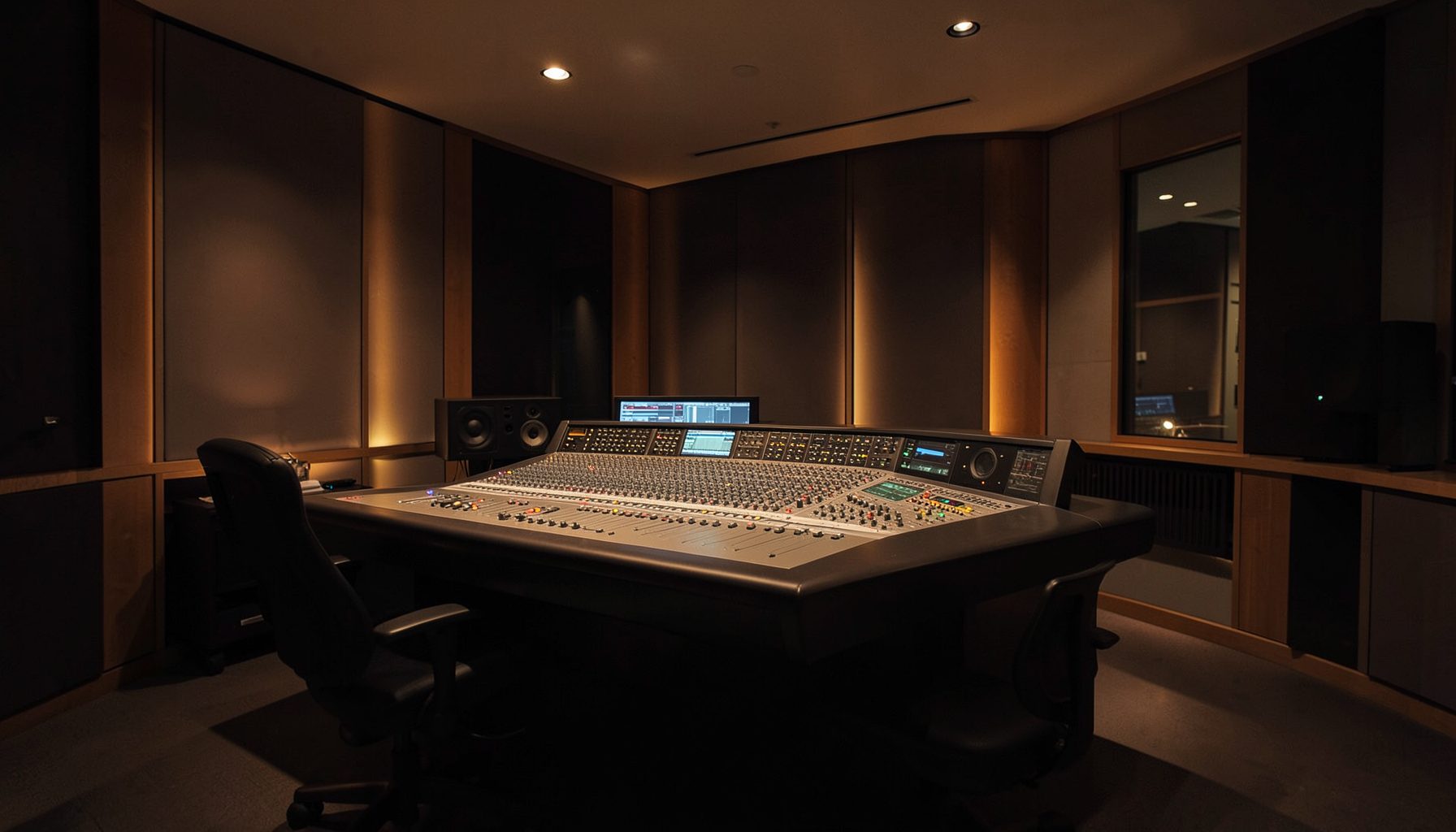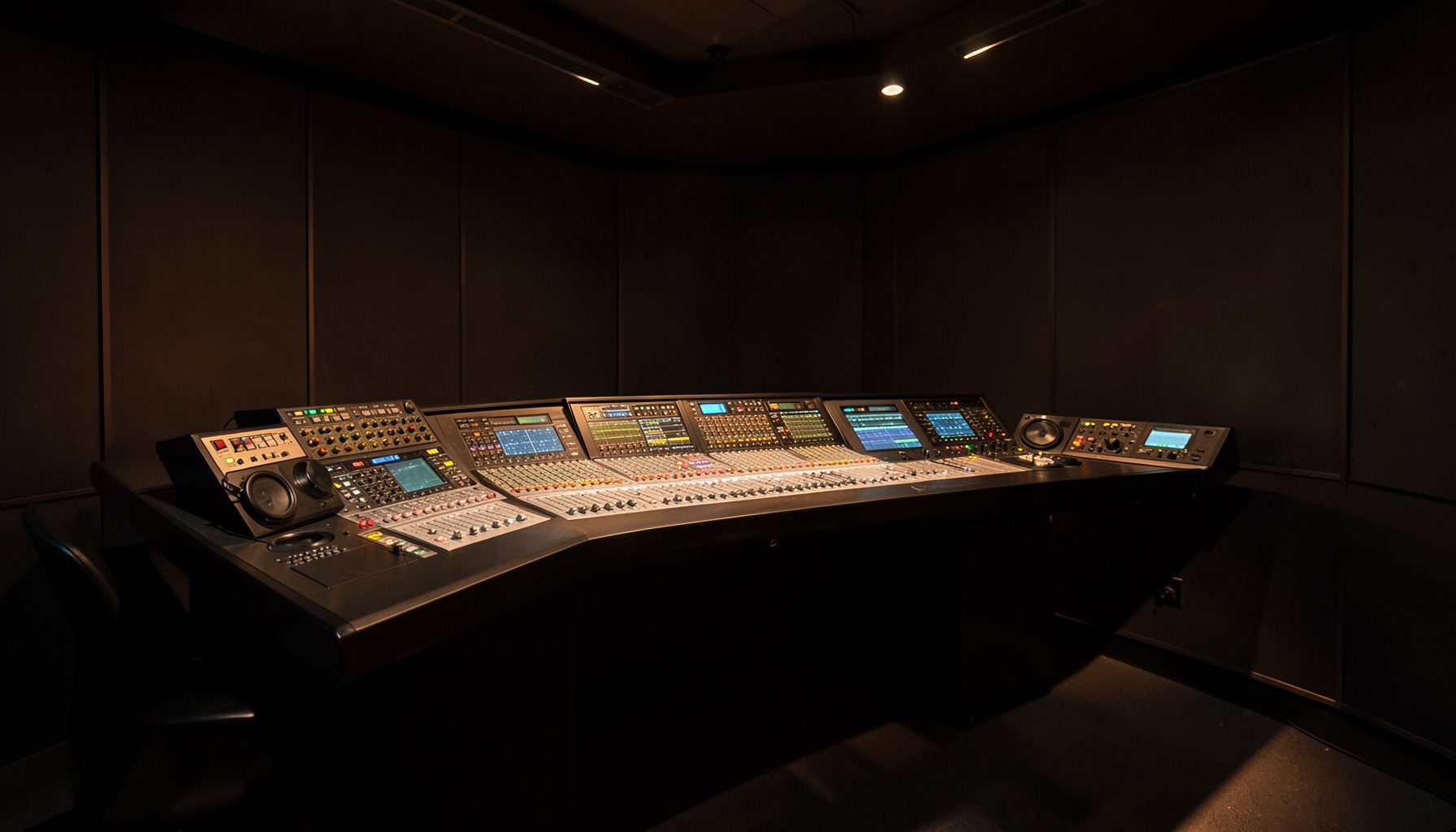
AutoMix Fader Offset Metering Lets Engineers See Every Gain Change
In a busy multi-mic studio, even seasoned broadcast mixers can struggle to keep every voice at a consistent level while running cues, taking calls, or pulling a remote feed. Lawo's AutoMix feature tackles that workload by riding faders automatically across open microphones, applying gentle gain sharing so talkback, callers, and hosts never blow past the mix bus. The latest refinement, Fader Offset Metering, exposes exactly what AutoMix is doing to each fader at any moment, turning an invisible algorithm into a transparent tool that engineers can monitor and trust.
For Australian broadcasters, the feature lands at a time when studios in Sydney, Melbourne, and Brisbane are juggling hybrid workflows that mix live on-air talent with work-from-home contributors routed through IP codecs. ACMA's broadcasting operational standards demand consistent loudness and minimal cross-talk between talkback and program paths, so any automation that touches faders has to be auditable in real time. Fader Offset Metering answers that need by giving operators a clean visual readout of how far each channel has drifted from its unity position, frame by frame.
How AutoMix Shares Gain Across Open Microphones
AutoMix operates on the principle that the combined gain of all open microphones in a talkback-heavy production should stay roughly constant. When a host in Perth leans into the mic for a sponsor read, the algorithm gently trims that channel while raising the fader of a quieter co-host in Adelaide, keeping the total energy on the bus stable. The system is designed to react within milliseconds, which is faster than any human hand riding a fader.
The benefit shows up most clearly in panel discussions, where three or four contributors may all be live at once. Without automation, an engineer has to pick a winner every time someone speaks, which can feel jarring to listeners tuning in on AM radio in regional Queensland. With AutoMix active, transitions become smoother, and the on-air talent in regional markets can hear themselves properly through IFB because their mic is never sitting at -20 dB when it should be at -8 dB.
Reading the Fader Offset Display During a Live Show
The Fader Offset Metering strip sits alongside the standard channel meter on Power Core surfaces and the VisTool software interface. Each bar shows the delta between the fader's physical position and the level AutoMix has applied, with a centre zero indicating no change and growing segments in either direction indicating how many dB the algorithm has trimmed or boosted. Engineers can spot at a glance whether a particular host is being favoured or penalised, and they can decide whether to override the automation with a manual nudge.
In practice, the readout is most useful during breakaways and rejoins, moments when a talent steps out for a quick break in the loading dock at the back of a Melbourne studio and then returns to the desk. AutoMix will gradually bring that fader back up to match the other open mics, and the offset meter shows the curve of that recovery. If the recovery looks too aggressive, the engineer can ride it manually; if it looks too slow, the algorithm's attack time can be adjusted in the setup menu.
Comparing AutoMix to Manual Fader Riding
| Workflow Element | Manual Fader Riding | AutoMix with Fader Offset Metering |
|---|---|---|
| Reaction time to a new speaker | 200–500 ms typical | Under 30 ms |
| Engineer's cognitive load | High during panel shows | Lower; engineer supervises |
| Visibility into algorithm actions | Not applicable | Live offset bar per channel |
| Override capability | Always manual | Manual trim layered on automation |
| Suitability for remote contributors | Limited | Strong, including SIP and Dante feeds |
Manual fader work still has a place, particularly when an engineer wants to apply a deliberate duck under a news bulletin or a weather update pulled from the Bureau of Meteorology feed. AutoMix is not designed to replace creative decisions, but rather to handle the repetitive balancing of open mics so the engineer can focus on the content. The Fader Offset Metering layer adds confidence to the handoff, because every automatic move is now something the operator can see and verify.
Configuring the Meter on Ruby Consoles and RƎLAY
Setting up Fader Offset Metering is handled through the console's configuration tree, where each input channel can be assigned to one of several AutoMix groups. Engineers in regional stations that operate under the ACMA's technical performance codes can assign different groups to talkback, program, and IFB paths, keeping the automation segregated from the on-air bus. Once a group is created, the offset strip appears automatically on the channel display, with colour coding that matches the rest of the console's metering scheme.
For smaller operations and home studios, the same logic is exposed inside the RƎLAY virtual radio environment, where AutoMix runs as a software process on a standard Windows machine. The offset meters appear in the on-screen console view, giving a part-time engineer in Hobart or Darwin the same visibility that a full-time operator gets on a physical surface in Sydney's Ultimo studios. This consistency between hardware and software means a station can move a contributor between a Ruby console and a RƎLAY workstation without retraining them on the metering layout.
Practical Tuning for Australian Broadcast Routines
A few habits help Australian operators get the most out of the feature. Run a short calibration pass during the afternoon test transmission, when the ACMA logger is recording but no program is on air, so the offset readings can be checked against the known test tones. Leave the offset meter visible at all times, not just during problem segments, because the data is most useful when it is being watched continuously rather than reactively. Document any manual trim overrides in the station's run sheet so the next shift can see what the previous engineer chose to do, particularly after a long regional breakfast show where multiple time zones and ad breaks all interact with the algorithm.
Take the next step by downloading the current Power Core firmware and VisTool bundle, creating a dedicated AutoMix group that covers your talkback and host paths, and watching the Fader Offset Metering strip during a single hour of live programming to see how often the algorithm is making adjustments you would not have made by hand.