AutoMix for smoother on-air phone-in shows
Phone-in programs depend on fast reactions, natural conversation, and clear communication between the presenter and every caller. As participation grows, however, the audio mix becomes increasingly difficult to manage. Several remote voices may compete with the host, callers may interrupt one another, and sudden level changes can make the broadcast feel uncomfortable.
AutoMix helps radio teams handle these conditions with consistent, rule-based level management. It can support the presenter without removing editorial control, allowing the production team to focus on timing, content, and caller interaction rather than constant fader adjustments.
For broadcasters using networked audio workflows, the aim is a controlled conversation that still sounds spontaneous. The right combination of caller routing, mix-minus feeds, processing, and automation makes that possible.
Why phone-ins need deliberate audio control
A phone-in show can contain several different audio sources at once: the presenter microphone, one or more telephone codecs, studio guests, beds, jingles, and remote contributors. Each source may arrive at a different loudness and with its own acoustic characteristics. A caller using a mobile phone can sound quiet and compressed, while another may arrive with excessive background noise.
Manual mixing becomes especially demanding when callers overlap. The operator must raise a caller, protect the presenter, reduce competing voices, and restore the previous balance within seconds. Even an experienced engineer can miss a transition when the program includes multiple lines and rapid exchanges.
Consistent gain management also protects the audience. Excessive level differences lead to constant volume changes for listeners, while an overactive noise gate can clip the beginning of words. Automation should therefore be configured as a controlled assist, with clear priorities and sensible timing rather than aggressive intervention.
Building a reliable caller path
Before applying automation, the signal path must be organized. Each telephone line should be identifiable in the console or control software, with dedicated processing and a clean mix-minus return. The return feed should exclude the caller’s own voice and prevent acoustic feedback or distracting delays.
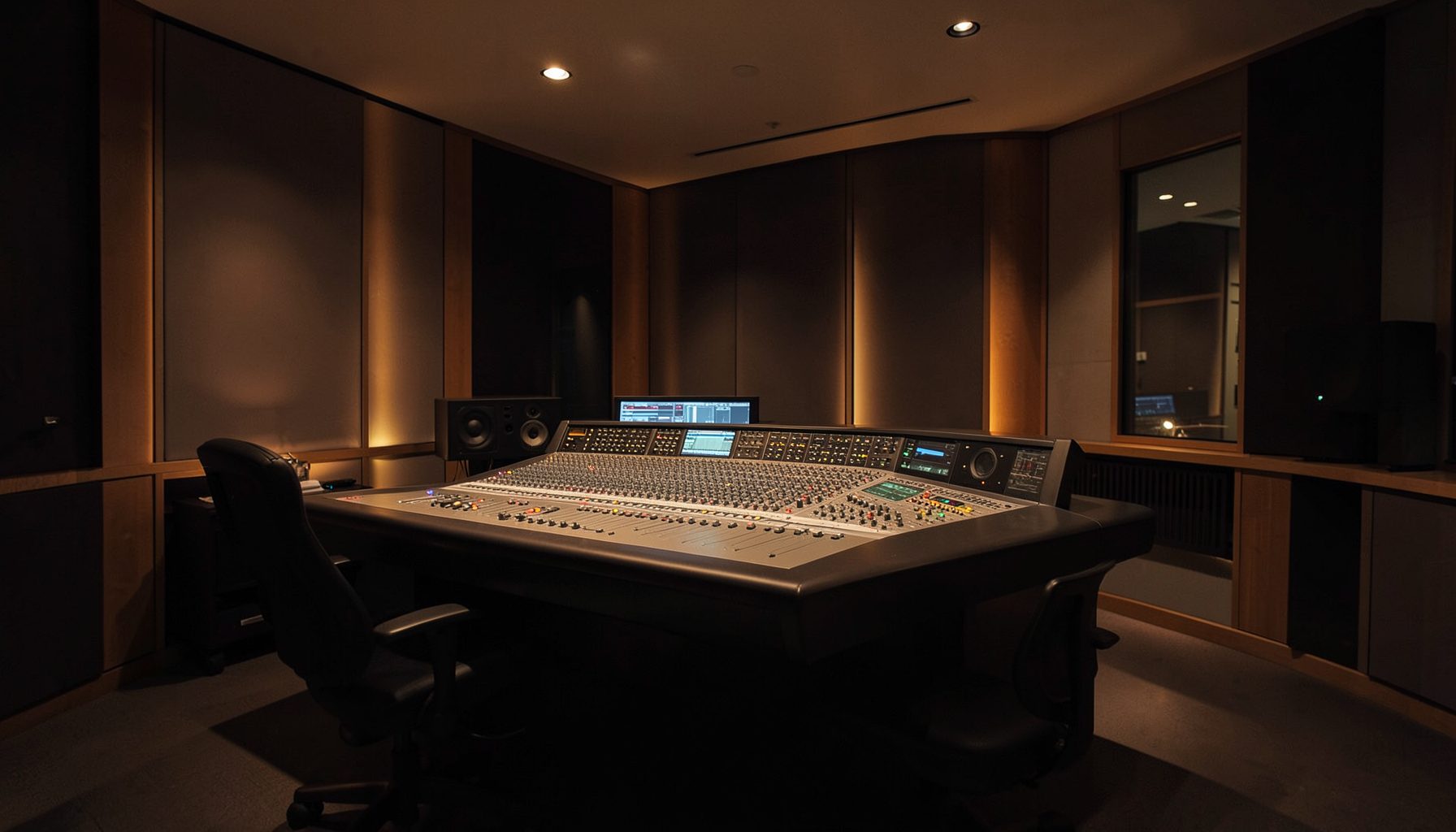
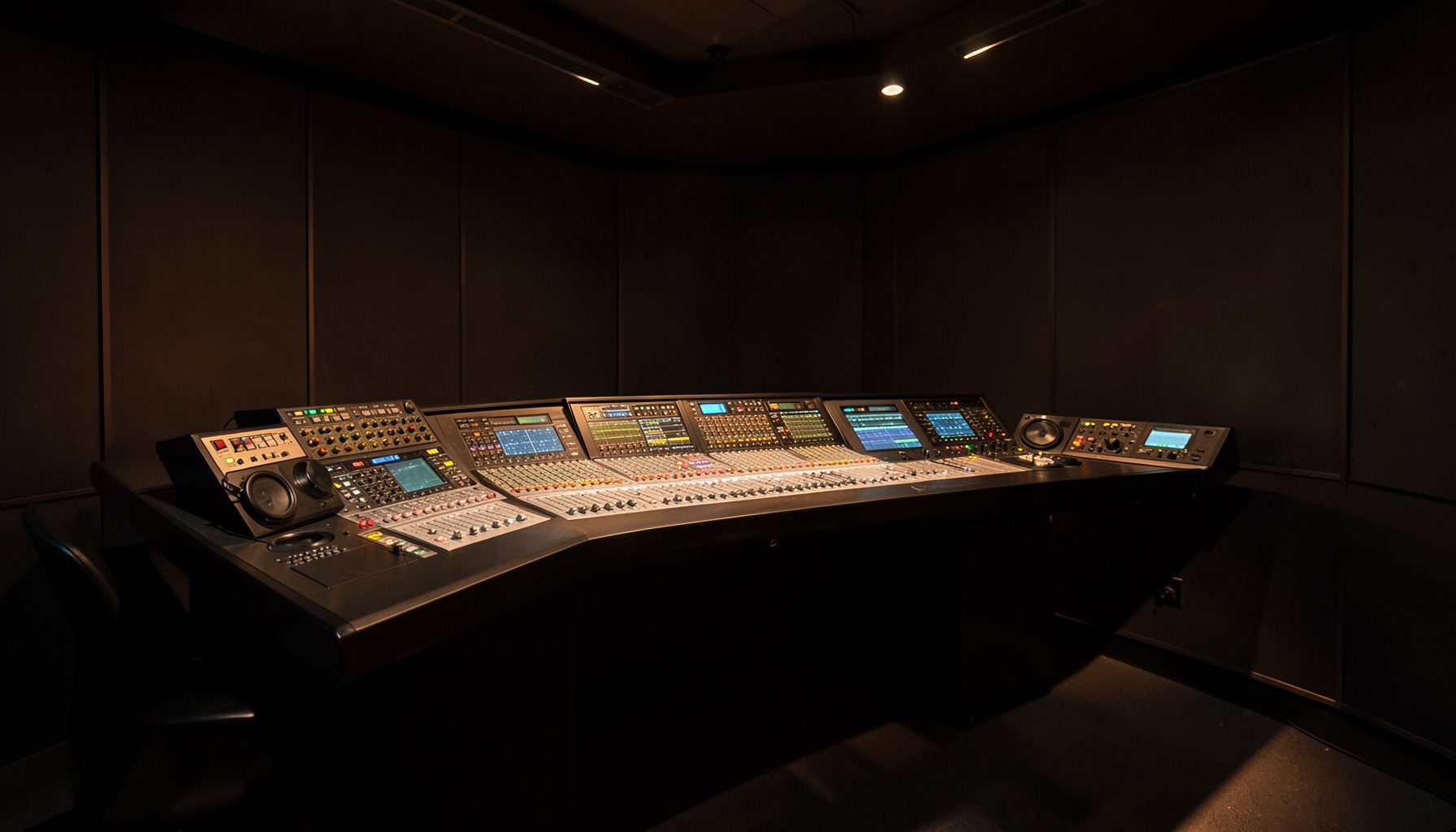
Lawo’s networked approach can place audio processing and routing close to the sources while keeping control available from the studio surface. A Ruby mixing console, Power Core audio node, and VisTool interface can work together in a workflow where operators see caller status, source levels, and routing information without relying on a large collection of disconnected devices.
Caller preparation matters too. A producer can screen lines, confirm names, and remove problematic connections before they reach the program mix. This editorial step reduces the number of unexpected sources that AutoMix must handle and gives the presenter a more predictable conversation.
Coordinating several voices in real time
A multiple-caller segment benefits from defined source priorities. The presenter usually needs to remain intelligible, while active callers should be audible without overpowering the studio. Waiting callers may stay off-air or at a low monitoring level until the producer brings them into the conversation.
Automation can respond to speech activity, but it should be paired with timing that feels natural. Fast attenuation may prevent overlap yet create a choppy exchange. Longer release times can preserve conversational flow, though they may allow background voices to remain audible for too long. Testing with real telephone material is more useful than relying only on default settings.
| Phone-in situation | Main mixing risk | Useful automation behavior | Operator priority |
|---|---|---|---|
| Presenter and one caller | Caller level changes | Stabilize the caller while protecting the host | Follow the conversation |
| Presenter and two callers | Overlapping speech | Reduce inactive or competing sources | Select the active line |
| Several callers waiting | Accidental open microphones | Keep non-active lines controlled | Manage line status |
| Caller with background noise | Noise masks speech | Limit unnecessary gain and exposure | Decide whether to retain the line |
| Caller and music bed | Speech lacks presence | Lower the bed during speech | Maintain program energy |
Making AutoMix part of the production workflow
AutoMix is most effective when its behavior reflects the program format. A talk-heavy breakfast show may use a different balance from a fast competition segment with short caller responses. Source groups, priorities, and ducking behavior can be adapted to the expected pace of each format.
The system can also support transitions around the phone-in itself. A producer may need to move from a music bed to a caller, return to the host, or introduce a recorded insert without abrupt level changes. Lawo’s automated transitions guide describes how scripted crossfades and transitions can help create repeatable movement between program elements.
This approach is valuable when the same show contains both live conversation and tightly timed production items. Automation handles repeatable actions, while the presenter or producer retains the ability to intervene when a caller’s response takes an unexpected direction.
Practical controls for the studio
Operators should be able to understand the mix at a glance. Clear labels for each caller, visible activity indicators, and dedicated controls for bringing lines on-air reduce mistakes during busy segments. VisTool can provide a tailored interface for these actions, while the main console remains available for detailed level and routing control.
Presets can establish a reliable starting point, but they should not replace monitoring. Telephone conditions vary by network, handset, location, and caller behavior. Producers and engineers should review recorded segments and adjust the workflow when a recurring problem appears.
Recommended operating practices
- Give every caller a distinct source label and dedicated monitoring path.
- Set the presenter as a protected reference source for intelligibility.
- Use moderate attack and release times so speech remains natural.
- Keep waiting callers isolated from the program mix until they are selected.
- Test mix-minus feeds and delay behavior before each live phone-in segment.
Scaling from one caller to a complete conversation
A well-designed workflow can expand from a single telephone line to several simultaneous participants without turning the console into a maze of manual controls. Each source can retain its own processing and status while the automation manages the broad balance between active and inactive voices.
This is particularly useful for interactive formats such as listener debates, sports reaction shows, and audience voting segments. The producer can concentrate on screening and sequencing participants, while the audio system maintains a stable foundation for the presenter and callers.
Lawo’s Broadcast 3.0 ecosystem supports this kind of connected operation by combining hardware, software, networking, and control. Radio teams can build a workflow that suits their studio today and extend it as the format demands more remote voices, additional contribution paths, or greater virtual production capability.
Give AutoMix a defined role in the phone-in workflow: stabilize levels, support transitions, and reduce repetitive work while leaving editorial decisions with the team. Explore Lawo’s radio production tools and configure a caller-handling workflow that keeps every participant clear, controlled, and ready for the next exchange.