Balancing vocal dynamics with AutoMix in networked radio
Clear speech depends on more than keeping every microphone at the same fader position. Presenters, guests, callers, and remote contributors produce very different levels and tonal profiles, so a single compression preset can make one voice sound controlled while leaving another thin, pumping, or unnaturally dense.
AutoMix helps manage microphone activity and maintain a stable programme mix, but it does not remove the need for thoughtful dynamics processing. Compression should be adjusted around the character, distance, and consistency of each source, allowing automatic mixing to work from a controlled and predictable signal.
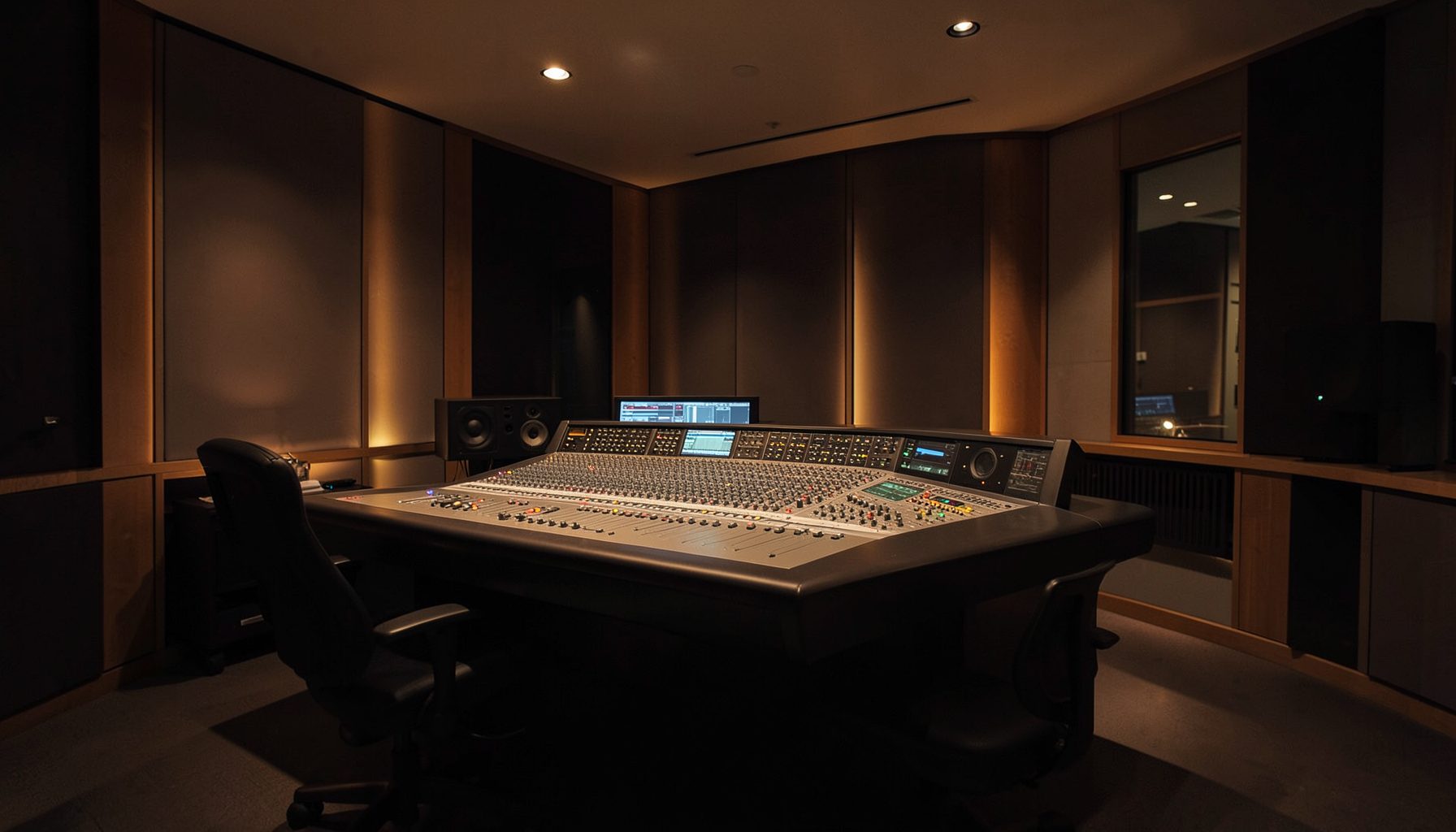
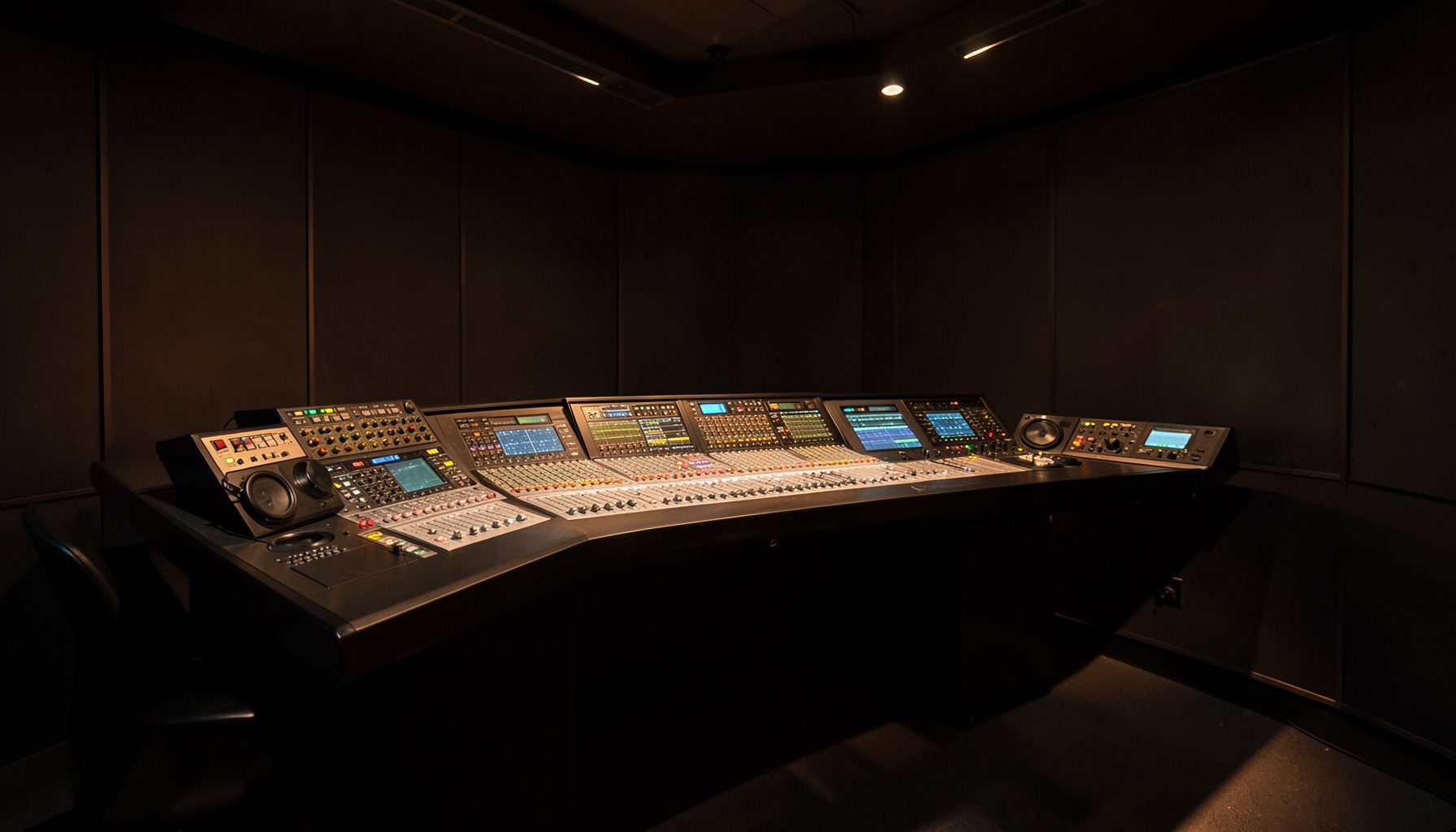
In a Lawo workflow, this approach fits naturally with networked audio, software-defined control, and reusable studio configurations. Engineers can combine source-specific processing with familiar operating surfaces and tools such as VisTool studio software, keeping detailed adjustments accessible without disrupting the live show.
Why every voice needs a different treatment
A close-miked presenter often delivers a relatively consistent signal, although emphatic words may create sharp peaks. A guest sitting farther from the microphone may speak softly, turn away, or move closer during a sentence. A telephone or remote contribution can have restricted bandwidth and greater level variation. Treating these sources identically can produce inconsistent loudness and audible artifacts.
The microphone, room, preamp gain, and speaking technique also affect the compression decision. A dynamic microphone used in a lively studio may require a different threshold and attack time from a condenser microphone in a quiet booth. Source-aware processing gives AutoMix a cleaner foundation because the system is responding to useful speech rather than excessive peaks, background noise, or accidental level changes.
Setting the threshold for real speech
The threshold determines when compression begins. For a stable presenter microphone, it can sit above the normal speech floor and catch louder phrases without operating continuously. If it is set too low, the compressor remains active through almost every syllable, reducing natural contrast and potentially raising room tone during pauses.
For an inconsistent guest or remote source, a lower threshold may be useful, but it should be chosen while monitoring actual programme material. Watch gain-reduction meters during quiet conversation, normal speech, and excited delivery. A sensible target is often moderate gain reduction on typical speech, with additional control reserved for peaks rather than constant heavy attenuation.
Input gain should be corrected before relying on threshold settings. If one source reaches the compressor much hotter than another, matching numerical values will not create matching results. Calibrate preamp or trim levels first, then set compression according to the source’s real operating range.
Matching ratio, attack, and release
Ratio determines how firmly the compressor restrains signals above the threshold. A moderate ratio can preserve a conversational feel for a main host, while a higher ratio may help contain an unpredictable caller. Excessive ratio can make speech sound flattened and can expose breaths, mouth noise, or studio ambience between words.
Attack and release shape the movement of the gain reduction. A very fast attack catches peaks effectively but may remove consonant impact and make speech feel dull. A slightly slower attack can retain articulation while still controlling sustained loudness. Release that is too fast may create pumping between syllables; release that is too slow can leave the voice compressed after the speaker has returned to a normal level.
| Source | Typical priority | Compression approach | Listening check |
|---|---|---|---|
| Main presenter | Consistency and intelligibility | Moderate ratio, medium attack, smooth release | Speech remains natural during emphasis |
| Co-host or guest | Uneven delivery | Moderate to firm ratio with carefully set threshold | Quiet phrases stay present without sounding forced |
| Telephone caller | Peak control and density | Firmer control, restrained makeup gain | Background noise does not surge between words |
| Remote contributor | Level stability | Moderate compression after clean gain staging | Delay and codec artifacts remain unobtrusive |
| Character or performance mic | Expression and impact | Lighter compression unless peaks demand more | Dynamics support the performance rather than mask it |
Coordinating compression with AutoMix
AutoMix generally works best when each microphone has a reliable, intelligible signal and unnecessary open-mic energy is reduced. Compression can help even out individual sources before automatic attenuation and contribution decisions take place. However, aggressive makeup gain can raise room noise or headphone spill, causing the automatic mixer to react to unwanted content.
Set the compressor and AutoMix as complementary stages. First establish a sensible source level and use dynamics processing to manage the voice. Then adjust AutoMix behaviour so active speakers remain clear while inactive microphones recede naturally. Listen to transitions between speakers, especially when a quiet guest follows an energetic host.
Do not use compression to compensate for poor microphone placement or inconsistent mic technique. Moving a microphone closer, improving isolation, or asking a contributor to maintain a practical distance often produces a larger improvement than increasing the ratio. Automatic control should refine a good signal path rather than conceal a weak one.
Building repeatable source profiles
Reusable presets can speed up studio setup, especially when a production regularly uses the same presenter positions, codecs, or remote feeds. A profile might include input trim, high-pass filtering, threshold, ratio, attack, release, makeup gain, and output limits. Keep the processing understandable so an operator can identify which parameter is responsible for an audible change.
Presets should be starting points rather than permanent rules. A guest with a naturally quiet voice may need a different threshold from a guest who projects strongly. Save separate profiles for common categories such as host, guest, phone, remote, and performance, then verify them with live speech before going to air.
Monitor both the compressed signal and the unprocessed source when possible. Bypass checks reveal whether processing is improving intelligibility or simply making the voice louder. Loudness matching is important during comparisons, since a louder signal can seem better even when it is less natural.
Practical checks for a stable broadcast mix
Engineers should listen for pumping, clipped consonants, excessive breath detail, and a noticeable rise in background noise during pauses. These symptoms often point to a threshold that is too low, an attack or release time that is poorly matched, or makeup gain that is compensating for insufficient input level.
A short rehearsal with every regular source can expose problems before a live programme. Have speakers deliver quiet phrases, normal dialogue, names, numbers, and an emphatic line. Check how quickly each voice recovers after a loud word and whether AutoMix transitions remain smooth when speakers interrupt or overlap.
Settings worth reviewing before going live
- Match input trim before comparing compressor thresholds.
- Use moderate gain reduction for normal speech and reserve heavier control for unstable sources.
- Adjust attack to preserve consonants and release to avoid audible pumping.
- Keep makeup gain conservative, particularly on telephone and remote feeds.
- Test AutoMix transitions with overlapping speakers and realistic studio noise.
A disciplined setup gives every microphone enough control without making every voice sound identical. The strongest result is usually a transparent balance: presenters remain present, guests stay understandable, callers do not dominate, and automatic mixing can follow the conversation without distracting movement.
Apply these principles to your Lawo signal chain, refine profiles with real voices, and monitor the result in the full programme context. That combination of source-specific compression and intelligent automatic mixing creates a more consistent, intelligible broadcast while preserving the natural character of each contributor.